
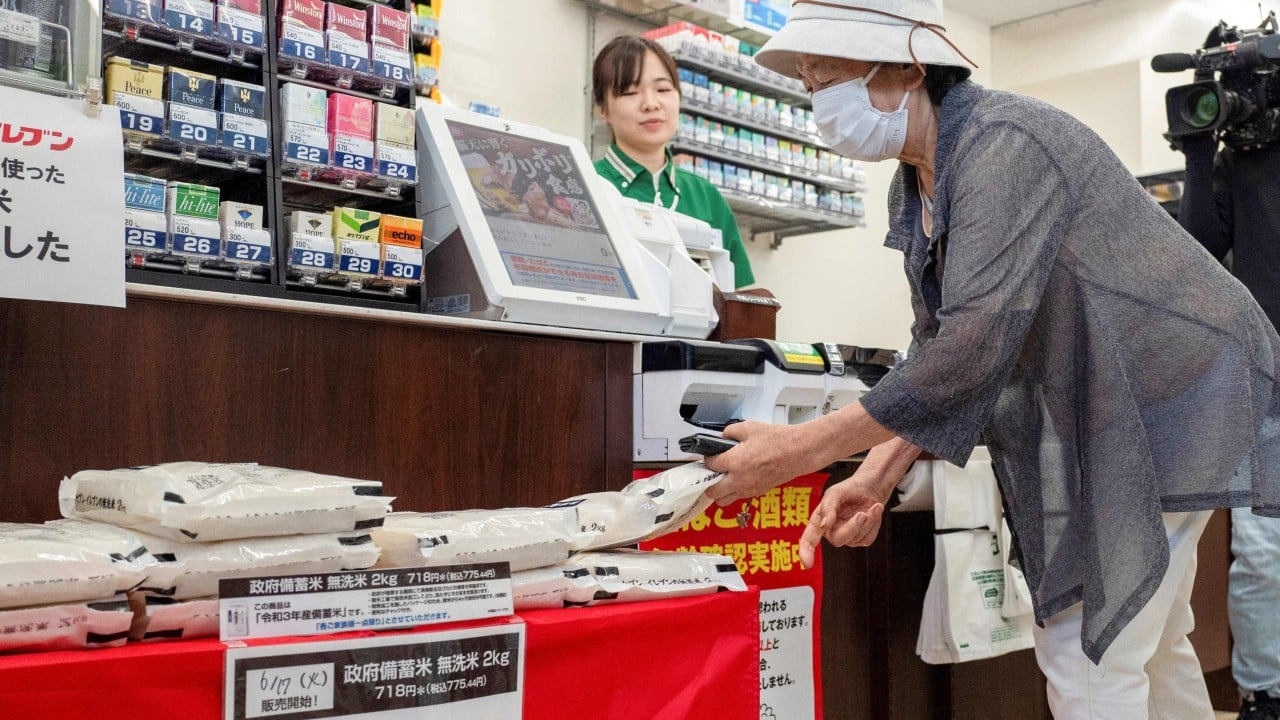
Japan Faces Rice Market Shift from Shortage to Surplus
Japan has transitioned from a rice shortage that required emergency government stockpiles to a sudden surplus. While this shift has lowered prices for consumers, it has created financial instability for rice farmers.
Japan’s rice market has experienced a rapid reversal, moving from a period of scarcity that forced the government to release emergency stockpiles to a current state of oversupply. Last year, the government intervened to stabilize prices and address public frustration over the rising cost of the nation's staple grain. The current glut has led to a significant drop in prices, providing relief to shoppers who were previously burdened by high costs.
However, this market volatility has created severe economic challenges for the agricultural sector. Farmers, such as Hiroshi Asano, who manages 38 hectares in Chiba, are now facing the prospect of financial losses. There is growing concern among industry observers that smaller-scale farmers, who lack the resources to absorb sudden price drops, may be forced out of business entirely. The situation highlights the difficulty of managing a staple commodity market that is highly sensitive to both government policy and fluctuating supply levels. While the surplus is beneficial for household budgets in the short term, the long-term viability of domestic rice production remains a point of concern for those within the industry.
📡 Media Analysis
How each outlet framed the story — angles, word choices, and what they chose to push or ignore.
Contrasted the immediate benefit to consumers against the looming threat to the livelihoods of farmers.
"whiplash"
🔍 What Nobody's Reporting
- ·Lack of specific government data or policy statements regarding how they plan to manage the current surplus.
- ·No perspective from retail industry representatives on how the surplus is affecting their profit margins.
📰 Sources
0 A-rated source(s) among 1 total. Lowest trust: SCMP (B)