
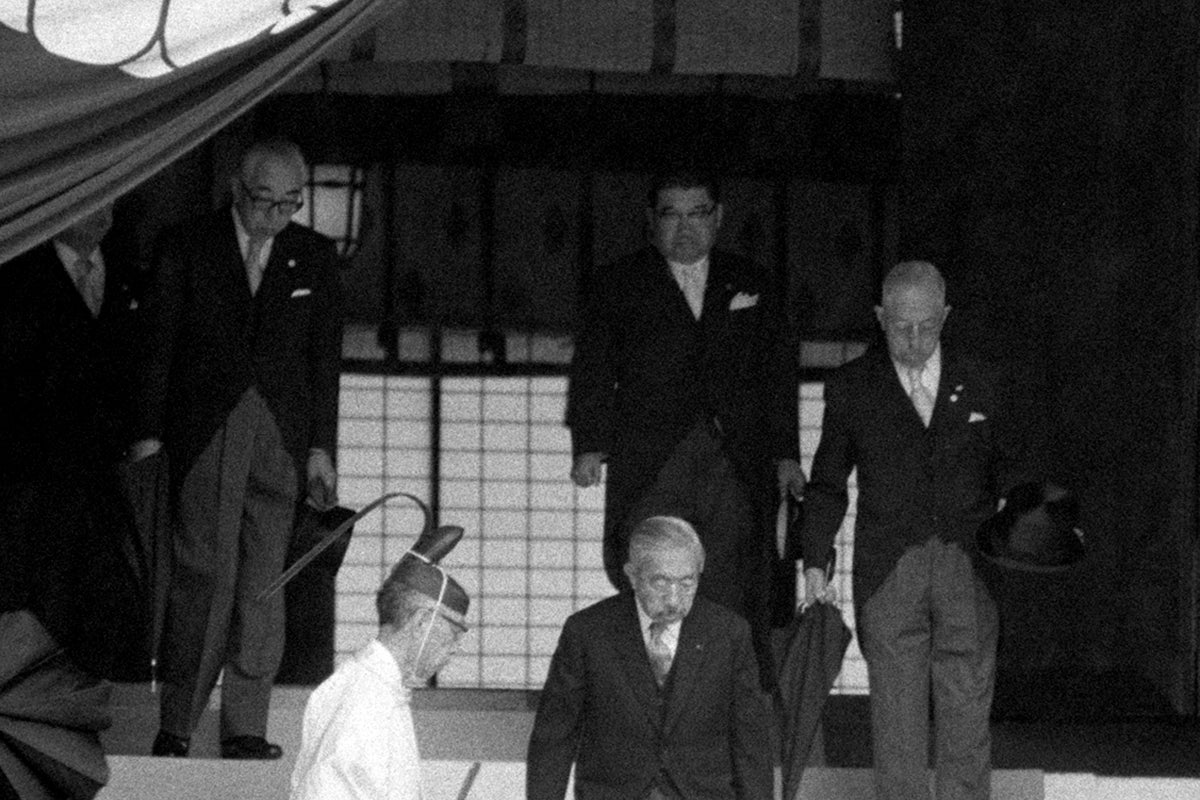
Japanese Defense Minister Shinjiro Koizumi Visits Yasukuni Shrine
Japanese Defense Minister Shinjiro Koizumi visited the Yasukuni Shrine in Tokyo on Saturday to offer prayers. The site remains a point of diplomatic tension due to its association with Japan's wartime history.
Japanese Defense Minister Shinjiro Koizumi conducted a visit to the Yasukuni Shrine in Tokyo this past Saturday, where he participated in prayer. The shrine is a site of significant historical and political sensitivity in East Asia, as it honors Japan’s war dead, including several convicted war criminals from World War II.
For many years, visits to Yasukuni by high-ranking Japanese officials have drawn criticism from neighboring countries, particularly China and South Korea. These nations frequently characterize the shrine as a symbol of Japan’s past imperial militarism and aggression. While supporters of such visits often describe them as a private act of paying respects to those who died in service to the country, critics argue that the inclusion of war criminals makes the site an inappropriate location for government officials to offer formal recognition.
This visit occurs within a broader context of Japan’s ongoing efforts to balance its nationalist traditions with its current diplomatic relationships. The Independent reports that the shrine is viewed by neighbors as a symbol of militarism, highlighting the international friction that typically follows such appearances by Japanese cabinet members. There is currently no information regarding whether Koizumi visited in an official or private capacity, or if he offered a formal statement regarding the diplomatic implications of his attendance.
📡 Media Analysis
How each outlet framed the story — angles, word choices, and what they chose to push or ignore.
Highlighted the diplomatic controversy by framing the shrine primarily as a symbol of militarism.
"symbol of Japanese militarism"
🔍 What Nobody's Reporting
- ·Lack of context regarding whether the visit was conducted in an official or private capacity.
- ·Absence of a statement or justification from the Japanese Defense Ministry regarding the purpose of the visit.
📰 Sources
0 A-rated source(s) among 1 total. Lowest trust: The Independent (B)