
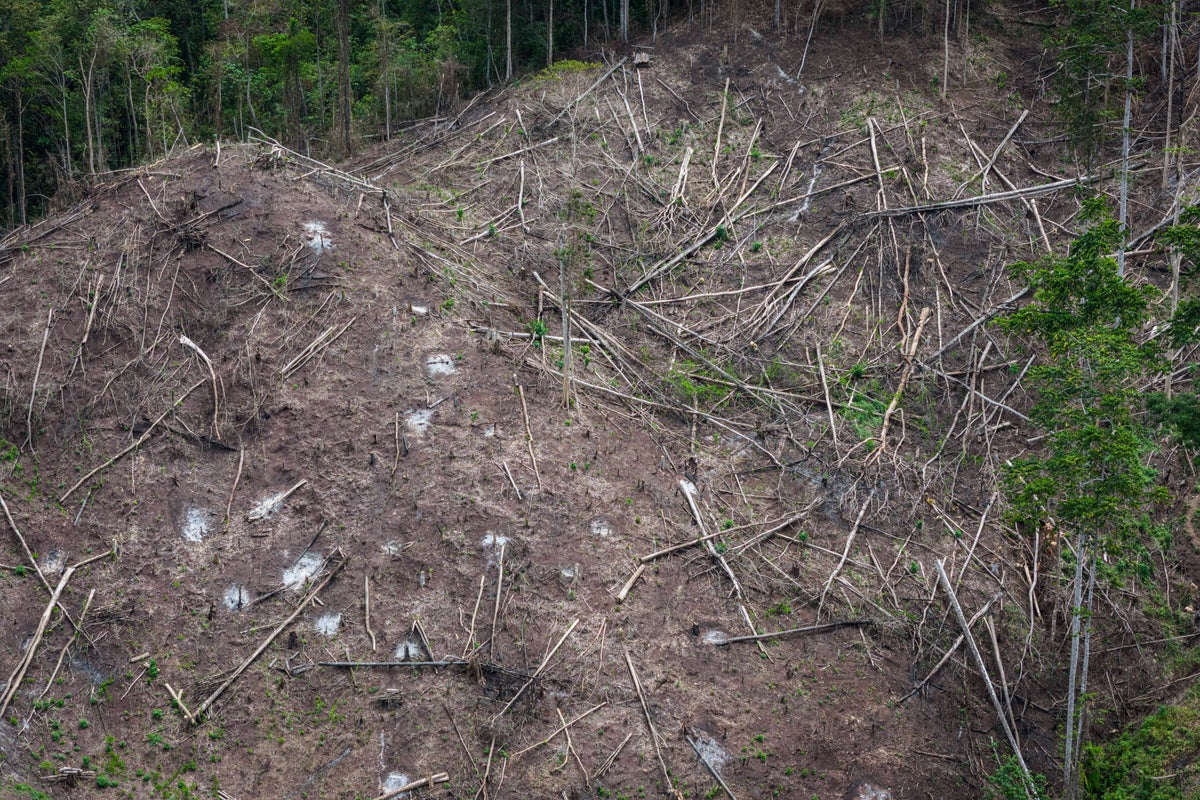
Japan's Biomass Energy Expansion Linked to Deforestation Concerns in Indonesia
Satellite analysis from Indonesian NGOs suggests that Japan's growing demand for wood pellets and chips is accelerating deforestation. The report highlights significant risks to tropical forests, protected biodiversity areas, and Indigenous lands.
Japan has significantly increased its reliance on biomass energy as part of its transition toward renewable power sources. However, a new report based on satellite imagery indicates that this shift is creating environmental and social challenges in Indonesia, a primary supplier of wood pellets and chips.
According to the analysis conducted by Indonesia-based nongovernmental organizations, the surge in demand for biomass fuel is directly linked to the expansion of industrial logging operations. These activities are reportedly encroaching upon tropical forests, which are critical for carbon sequestration and climate stability. Furthermore, the report identifies that these logging operations are increasingly impacting Key Biodiversity Areas—regions recognized for their unique and threatened wildlife—as well as territories traditionally managed by Indigenous communities.
While the Japanese government views biomass as a necessary component of its carbon-neutral strategy, critics argue that the current supply chain lacks sufficient oversight. The findings suggest that the environmental cost of importing these materials may undermine the intended climate benefits of switching to biomass. The report calls for stricter regulations and more transparent sourcing practices to ensure that Japan’s energy transition does not come at the expense of Indonesia's remaining primary forests or the rights of local populations.
📡 Media Analysis
How each outlet framed the story — angles, word choices, and what they chose to push or ignore.
Focused on the environmental and human rights consequences of Japan's energy policy.
"threatens further deforestation"
⚡ Where Sources Disagree
- ·Whether biomass energy is a net positive for climate goals versus a driver of ecological destruction.
🔍 What Nobody's Reporting
- ·Lack of response or defense from the Japanese government or energy companies involved in the supply chain.
- ·Absence of data regarding the specific percentage of Japan's total energy mix currently derived from Indonesian biomass.
📰 Sources
0 A-rated source(s) among 1 total. Lowest trust: The Independent (B)