
JD.com’s $1.3 Billion Hong Kong Expansion Challenges Traditional Retail Property Model
JD.com has invested over US$1.3 billion in Hong Kong infrastructure, potentially shifting the city's retail focus from high-traffic storefronts to logistics-heavy operations. This move may disrupt the traditional property model that relies on physical footfall for valuation.
Market Narrative Detected
The narrative suggests that e-commerce logistics are becoming more valuable than traditional retail space, benefiting tech giants and logistics firms while potentially devaluing traditional high-street property owners.
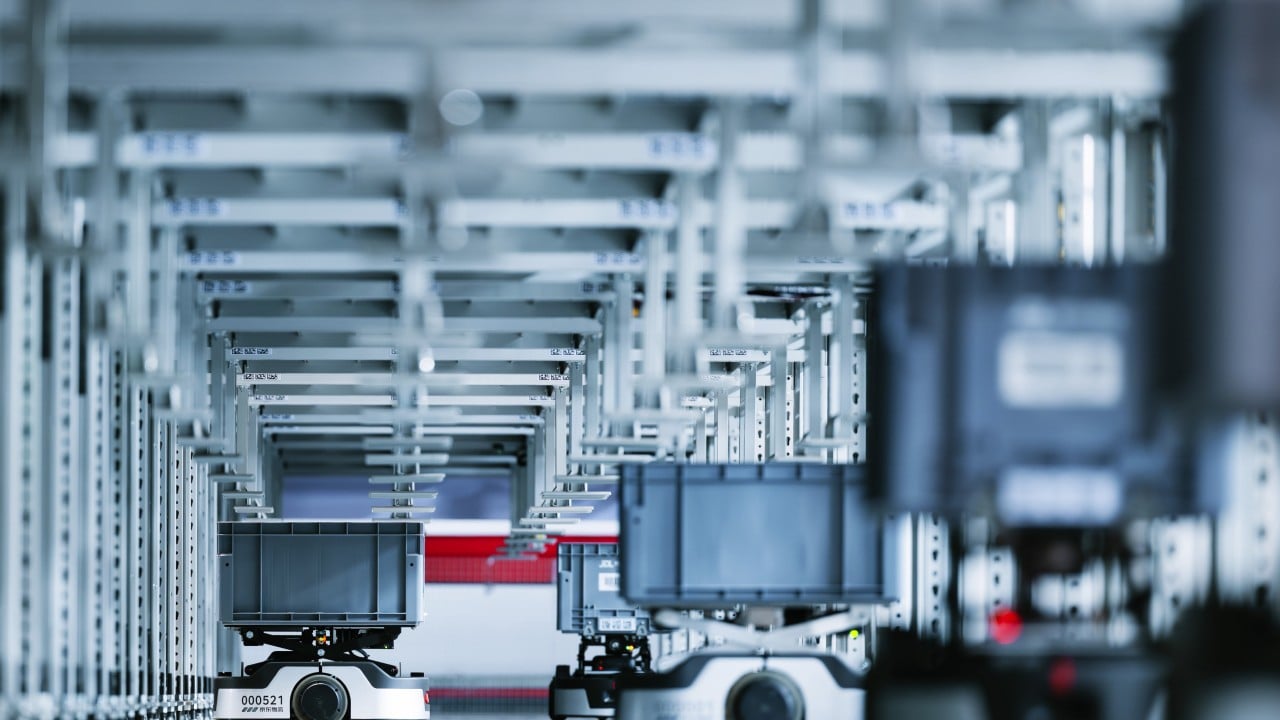
JD.com has committed more than HK$10 billion (US$1.3 billion) to expand its presence in Hong Kong over the last two years. This investment includes a significant build-out of warehouses, stores, and various logistics assets. According to market analysts, this strategy represents a potential turning point for Hong Kong’s commercial real estate sector.
Historically, Hong Kong’s most valuable real estate has been defined by high-traffic areas and shopping centers that rely on heavy footfall to drive retail success. By establishing a robust network of logistics hubs, JD.com is prioritizing supply chain efficiency over the traditional reliance on prime storefront locations. Analysts suggest that if this model proves successful, it could force a re-evaluation of how retail property is valued in the city, as the necessity for physical retail presence in high-rent districts may diminish in favor of proximity to distribution centers.
📡 Media Analysis
How each outlet framed the story — angles, word choices, and what they chose to push or ignore.
Focused on the structural shift in commercial real estate valuation caused by e-commerce infrastructure.
"could challenge the property model"
✓ Only outlet to report: Reported the specific investment figure of HK$10 billion (US$1.3 billion) over a two-year period.
🔍 What Nobody's Reporting
- ·Lack of comment from traditional Hong Kong retail landlords regarding the potential threat to their business models.
- ·No details on the specific breakdown of the US$1.3 billion investment between physical retail stores versus pure logistics/warehousing.
- ·Absence of data on how current consumer behavior in Hong Kong compares to the assumptions made by JD.com’s expansion strategy.
📰 Sources
0 A-rated source(s) among 1 total. Lowest trust: SCMP (B)