
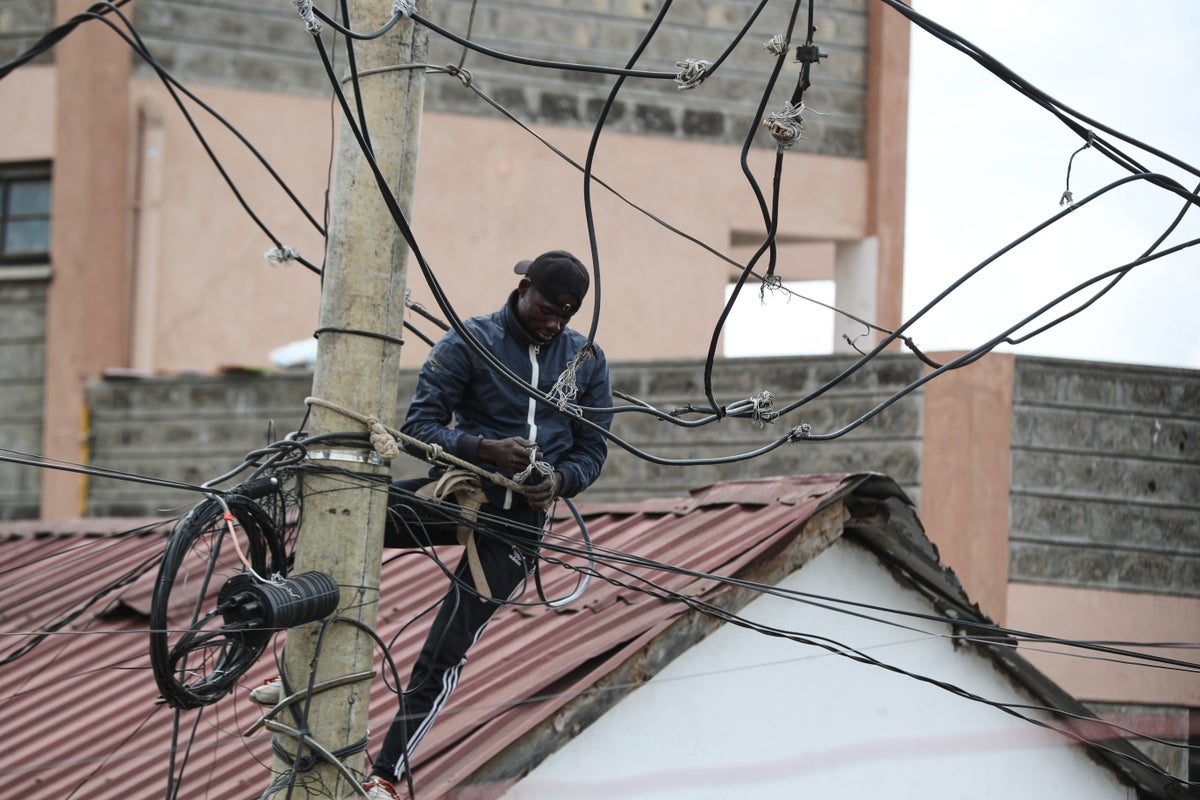
Kenya Increases Renewable Energy Capacity Target to Support Industrial Growth
Kenya has tripled its long-term renewable energy expansion goal to address rising electricity demand and industrial needs. While the government aims to bolster the grid with nuclear and geothermal power, analysts remain uncertain if this will lower costs for citizens.
The Kenyan government has announced a significant shift in its energy strategy, tripling its long-term target for renewable power capacity. This policy adjustment is designed to accommodate the country’s rapidly growing demand for electricity and to provide the necessary infrastructure to support national industrialization efforts. The plan focuses heavily on diversifying the energy mix, with a specific emphasis on scaling up geothermal production and integrating nuclear energy into the national grid.
While the government frames this expansion as a necessary step for economic development, the initiative has met with skepticism regarding its impact on the average consumer. The Independent reports that despite the massive increase in projected capacity, there is no guarantee that these investments will lead to more affordable electricity prices. The core tension lies between the state’s drive for industrial-scale energy production and the immediate financial burden placed on households. While the government emphasizes the long-term necessity of the project, critics suggest that the focus on large-scale infrastructure may overlook the immediate economic pressures facing the public.
📡 Media Analysis
How each outlet framed the story — angles, word choices, and what they chose to push or ignore.
Highlighted the ambitious government goal while immediately casting doubt on the consumer benefits.
"might not result in more affordable power"
🔍 What Nobody's Reporting
- ·Lack of specific financial data or budget estimates for the nuclear energy component.
- ·Absence of a timeline for when these new capacity targets are expected to be met.
📰 Sources
0 A-rated source(s) among 1 total. Lowest trust: The Independent (B)