
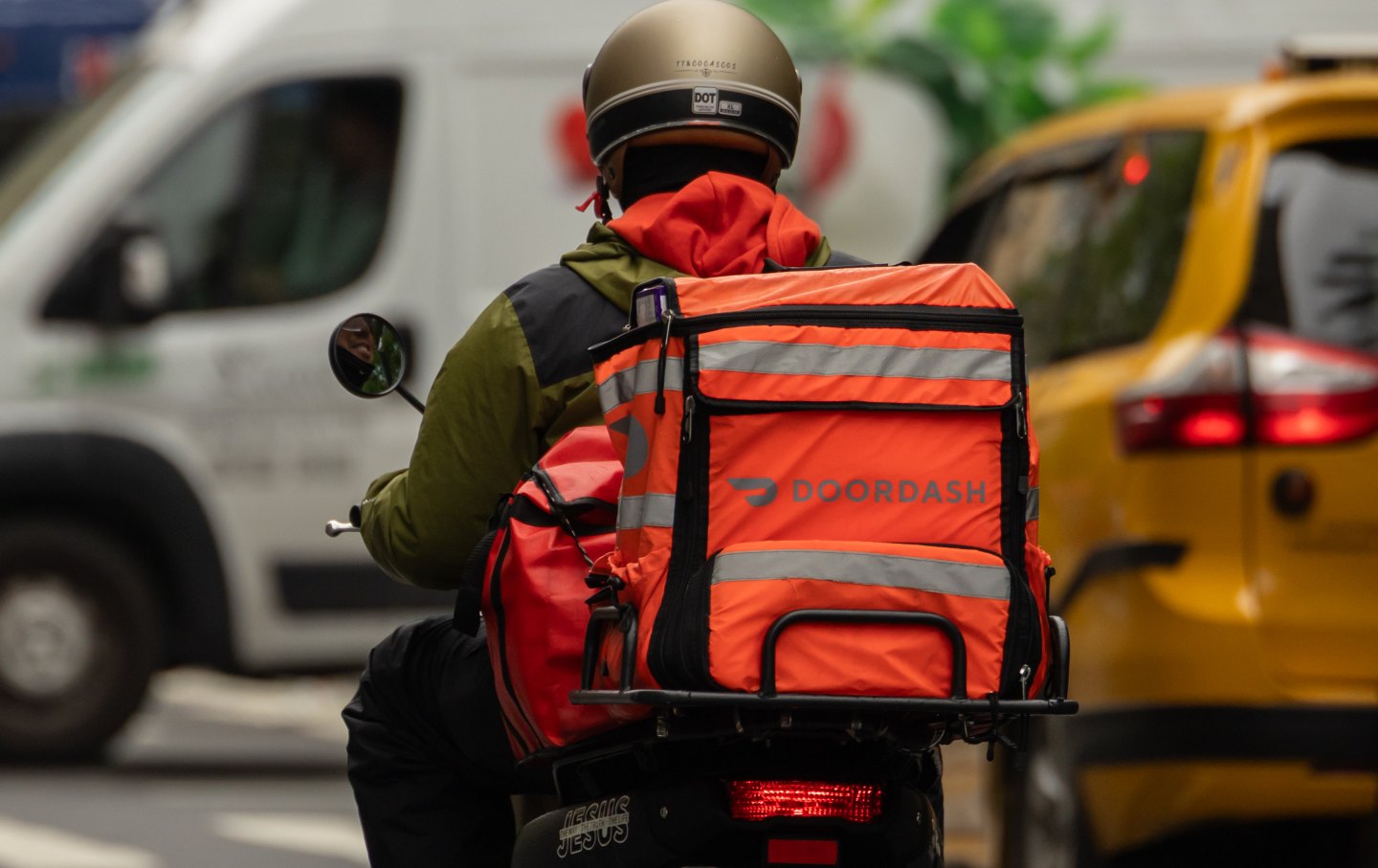
Labor Organizers in New York City Address Challenges Posed by AI
Labor advocates in New York City are developing new strategies to organize workers in an economy increasingly influenced by artificial intelligence. The effort focuses on countering the impact of personalized wage and pricing models on collective bargaining.
As artificial intelligence becomes more integrated into the workplace, labor organizers in New York City are identifying new hurdles to collective action. A primary concern is the rise of personalized wage and pricing algorithms, which can create disparate conditions for employees, making it difficult for workers to identify common grievances or coordinate effectively.
Advocates argue that when every worker’s pay scale is determined by an individual data profile rather than a standardized contract, the traditional model of union organizing faces significant disruption. The current movement in New York aims to modernize labor strategies to ensure that workers maintain bargaining power despite these technological shifts. While the specific tactics are still evolving, the core objective remains the protection of labor standards in an era where digital tools are increasingly used to manage and monitor the workforce. The initiative emphasizes that without proactive intervention, the use of AI could further erode the influence of labor unions and individual worker autonomy.
📡 Media Analysis
How each outlet framed the story — angles, word choices, and what they chose to push or ignore.
Framed AI as a direct threat to labor rights that requires a proactive, activist response.
"fighting back"
✓ Only outlet to report: Identified personalized wage and pricing algorithms as a specific technological barrier to modern union organizing.
🔍 What Nobody's Reporting
- ·Lack of perspective from industry leaders or AI developers regarding the potential benefits of these technologies for workers.
- ·Absence of specific legislative or policy proposals being debated in New York City.
📰 Sources
0 A-rated source(s) among 1 total. Lowest trust: The Nation (B)