
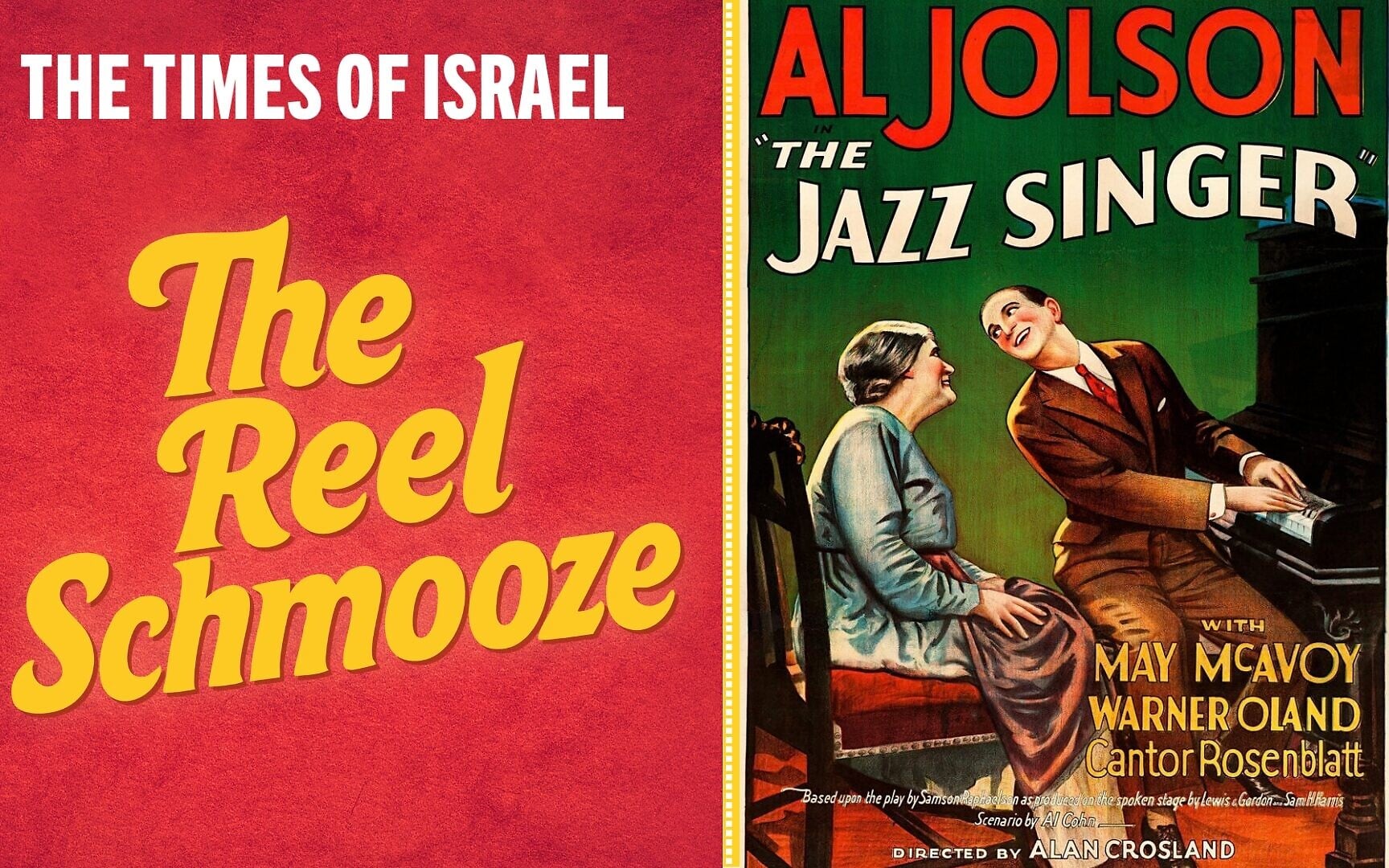
The Legacy and Cultural Impact of the 1927 Film 'The Jazz Singer'
Released in 1927, 'The Jazz Singer' is widely recognized as the first feature-length motion picture to include synchronized dialogue, marking the beginning of the 'talkie' era. The film stars Al Jolson as a cantor's son who pursues a career in jazz music, a path that creates significant tension with his traditional religious upbringing.
The 1927 film 'The Jazz Singer' holds a foundational place in cinematic history as the first feature-length production to incorporate synchronized dialogue, effectively ending the silent film era. Directed by Alan Crosland and starring Al Jolson, the narrative follows the son of a cantor who rejects his family's religious expectations to perform as a jazz singer on Broadway.
While the film is celebrated for its technological innovation, it remains a subject of intense academic and cultural discussion due to its use of blackface. In the film, Jolson’s character performs in blackface, a practice that has drawn significant criticism in modern times for its roots in minstrelsy and racial stereotyping. The film explores themes of assimilation, generational conflict, and the tension between religious tradition and secular ambition.
Discussions surrounding the film often highlight the duality of its legacy. On one hand, it is viewed as a technical milestone that revolutionized the entertainment industry. On the other hand, it is frequently analyzed through the lens of its cultural insensitivity and the complexities of the Jewish immigrant experience in early 20th-century America. The film serves as a primary case study for historians examining how early Hollywood navigated ethnic identity and racial performance during a period of rapid social change.
📡 Media Analysis
How each outlet framed the story — angles, word choices, and what they chose to push or ignore.
Focused on the film's deep connection to Jewish identity while acknowledging the controversial use of blackface.
"could not be more Jewy"
✓ Only outlet to report: Explicitly frames the film as a reflection of the Jewish immigrant experience in the context of early Hollywood.
🔍 What Nobody's Reporting
- ·Lack of perspective from film historians regarding the technical limitations of early synchronized sound.
- ·Absence of commentary on the broader impact of blackface in 1920s American cinema beyond this specific film.
📰 Sources
0 A-rated source(s) among 1 total. Lowest trust: Times of Israel (B)