
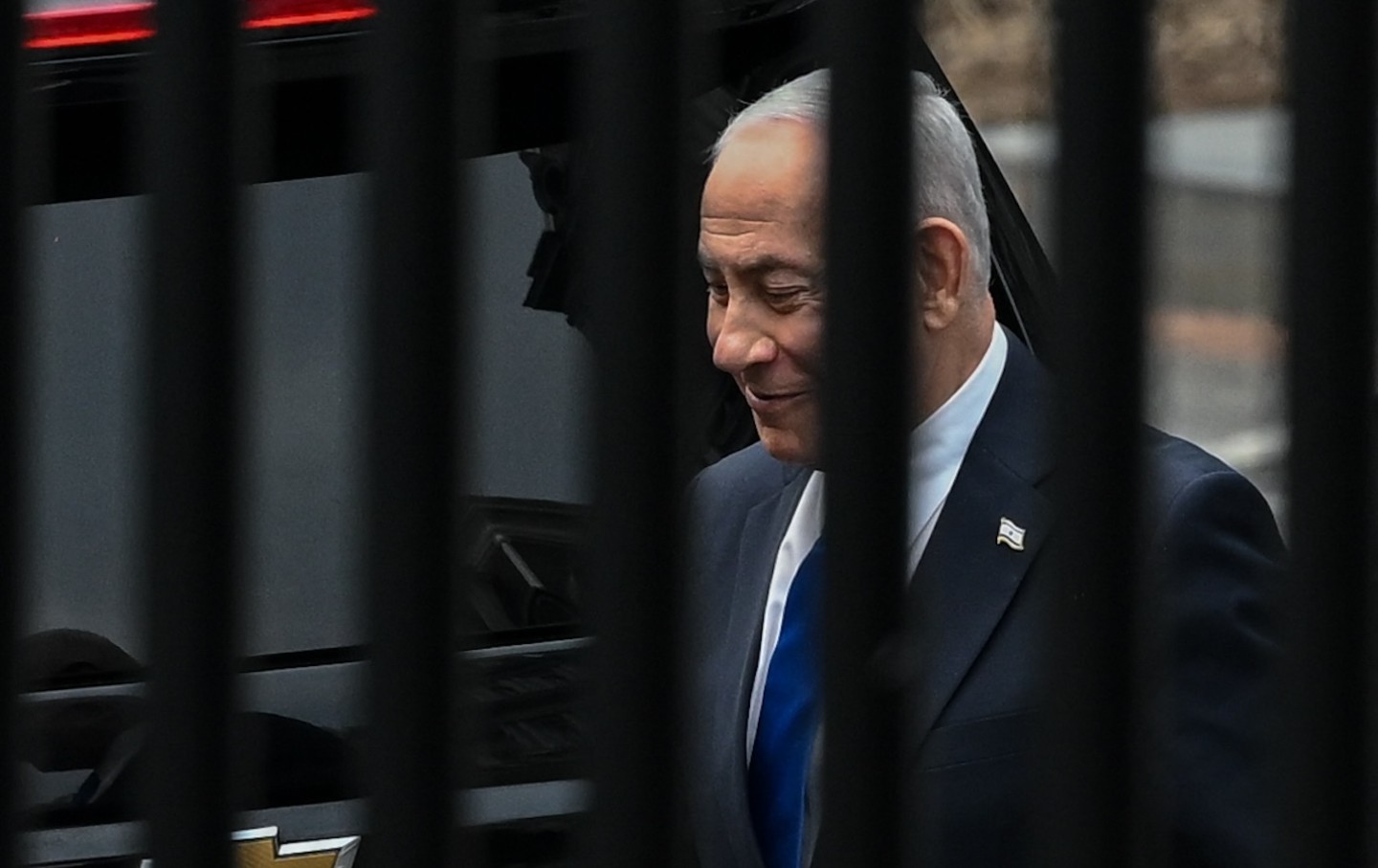
Legal Debate Over Potential U.S. Arrest of Benjamin Netanyahu
As Israeli Prime Minister Benjamin Netanyahu visits New York City, some legal commentators are arguing that the United States has the authority to arrest him for alleged crimes. This perspective centers on the application of U.S. domestic law to foreign officials during their presence on American soil.
The arrival of Israeli Prime Minister Benjamin Netanyahu in New York City has prompted a discussion regarding his legal vulnerability under United States jurisdiction. A recent report published by The Nation suggests that the U.S. government possesses the legal framework to detain and prosecute the Prime Minister for alleged crimes committed during his tenure. The argument posits that the presence of a foreign head of state on American territory does not grant absolute immunity from U.S. domestic law, particularly when specific statutes are invoked.
This perspective stands in contrast to the traditional diplomatic norms that typically provide heads of state with immunity from arrest while traveling abroad. While the article advocates for the use of U.S. courts to address these allegations, it does not detail the specific legal mechanisms or the potential diplomatic consequences that such an action would trigger. Furthermore, the report does not address the position of the U.S. State Department or the Biden administration, both of which have historically maintained that sitting heads of state are protected by sovereign immunity. The discourse surrounding this issue highlights a growing tension between international human rights advocacy and established diplomatic protocols. While proponents of the arrest argue that no individual should be exempt from legal accountability, critics of this view emphasize that such a move would represent a radical departure from international law and could severely damage U.S.-Israel relations. Currently, there is no indication that U.S. authorities are considering any such legal action against the Prime Minister during his visit.
📡 Media Analysis
How each outlet framed the story — angles, word choices, and what they chose to push or ignore.
Advocates for the legal prosecution of a foreign leader as a moral and legal necessity.
"Make no mistake"
✓ Only outlet to report: Explicitly argues that U.S. domestic law can be used to bypass traditional diplomatic immunity for a sitting head of state.
⚡ Where Sources Disagree
- ·Whether a sitting head of state can be arrested under U.S. domestic law while on a diplomatic visit.
🔍 What Nobody's Reporting
- ·Lack of input from international law experts regarding sovereign immunity.
- ·Absence of comment from the U.S. Department of State regarding diplomatic protocols.
- ·Failure to address the potential geopolitical consequences of such an arrest.
📰 Sources
0 A-rated source(s) among 1 total. Lowest trust: The Nation (B)