
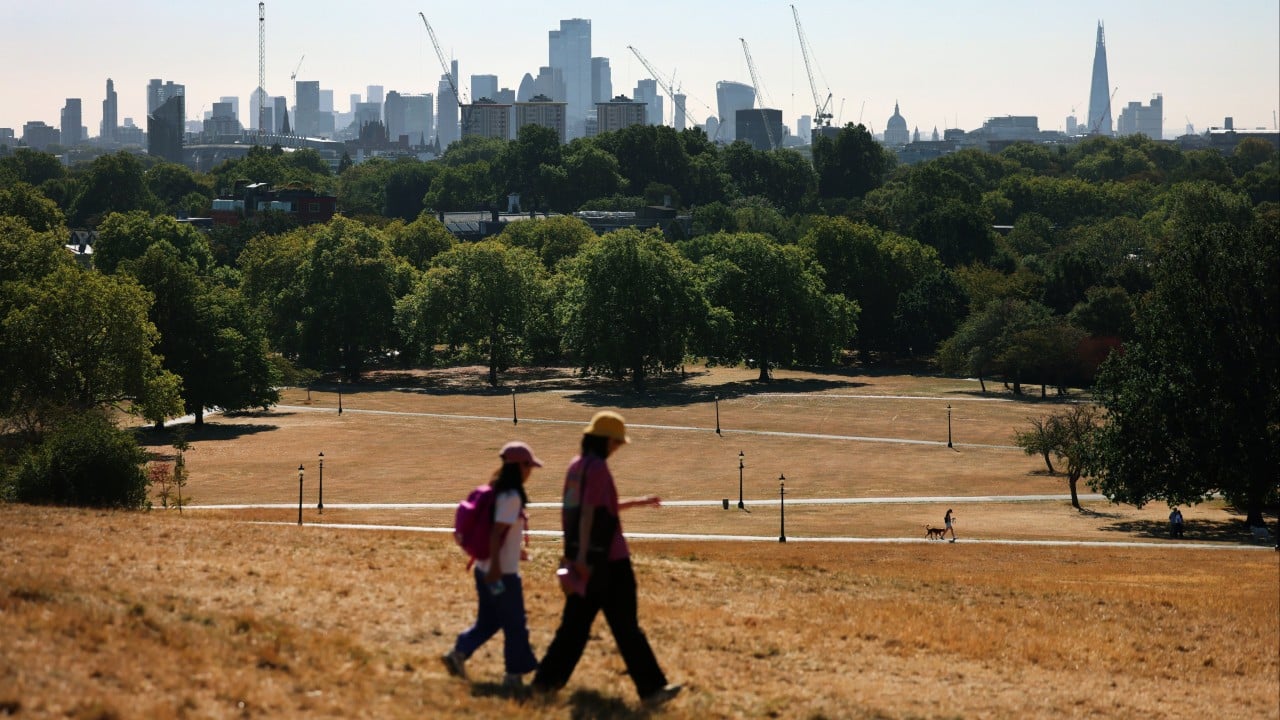
London Home Subsidence Claims Reach Record High Following Repeated Heatwaves
Record numbers of London homeowners are filing insurance claims for subsidence as recurring heatwaves cause the city's clay-heavy soil to shrink. This ground movement has destabilized building foundations, leading to an average claim cost of £20,000 per household.
London is experiencing a surge in property damage linked to subsidence, a condition where the ground beneath a building shifts or sinks. According to data from the Association of British Insurers (ABI), the number of subsidence-related insurance claims reached a record high in the last quarter. Experts attribute this trend to the city's unique geological composition, specifically the prevalence of clay soil. When exposed to prolonged periods of intense heat and drought, such as the five heatwaves recently recorded in the capital, this soil loses moisture and contracts, causing the foundations of homes to become unstable.
The financial impact on residents is significant, with the average insurance claim for these structural issues reaching £20,000. While the phenomenon is a known risk in areas with clay-rich ground, the frequency and intensity of recent weather patterns have accelerated the rate of damage. The ABI data highlights that the current situation is unprecedented, marking a shift in the scale of property maintenance challenges for Londoners. As climate patterns continue to fluctuate, the stability of older housing stock built on these specific soil types remains a primary concern for both insurers and property owners.
📡 Media Analysis
How each outlet framed the story — angles, word choices, and what they chose to push or ignore.
Focused on the direct link between climate-induced soil changes and the resulting financial burden on homeowners.
"historic levels of subsidence risk"
✓ Only outlet to report: Provided specific financial data regarding the £20,000 average cost of claims.
🔍 What Nobody's Reporting
- ·Lack of information on potential long-term mitigation strategies or government policy responses.
- ·No mention of whether specific London boroughs are more affected than others.
📰 Sources
0 A-rated source(s) among 1 total. Lowest trust: SCMP (B)