
Major Retailers Reduce Product Lines Amid Tariff and Logistics Cost Pressures
Major retailers like Walmart and SharkNinja are narrowing their product offerings to manage rising transportation costs and tariff-related expenses. Companies are utilizing duty refunds to help stabilize prices and offset these supply chain pressures.
Market Narrative Detected
The narrative suggests that large retailers are resilient and capable of managing trade-related headwinds through strategic efficiency. This benefits the companies by framing their cost-cutting as a consumer-friendly move to keep prices low.
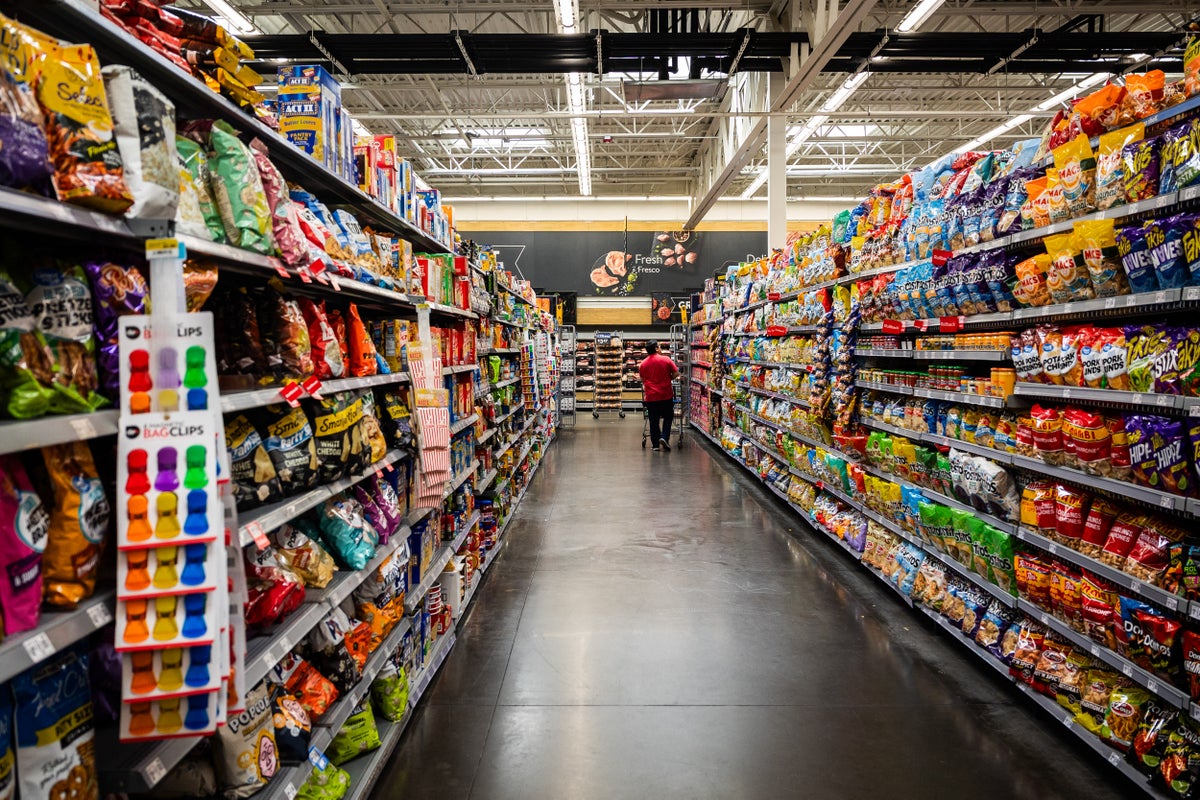
Retailers are increasingly streamlining their inventory and reducing the number of products they offer as a strategic response to ongoing economic pressures. According to recent reports, companies such as Walmart and SharkNinja are actively cutting back on product lines to mitigate the impact of rising transportation costs and the financial burden of tariffs.
This shift in inventory management is part of a broader effort to maintain price stability for consumers. To cushion the impact of these supply chain costs, these major brands are leveraging billions of dollars in duty refunds. By reducing the complexity of their product offerings, retailers aim to improve operational efficiency and protect their profit margins against the volatility of global shipping and trade policies.
The strategy reflects a trend where large-scale retailers are prioritizing core, high-performing items over a wider variety of goods. While this helps companies manage costs, it also signals a change in the retail landscape where consumer choice may become more limited as businesses focus on cost-containment measures. The reliance on duty refunds highlights the significant role that trade policy and government fiscal mechanisms play in the current retail pricing environment.
📡 Media Analysis
How each outlet framed the story — angles, word choices, and what they chose to push or ignore.
Focused on how corporate entities are navigating trade policy to manage consumer prices.
"cushion supply costs"
🔍 What Nobody's Reporting
- ·Lack of data on how these product line reductions specifically impact consumer choice or product availability.
- ·No mention of whether these cost-saving measures are being passed on to consumers or primarily used to protect corporate profit margins.
📰 Sources
0 A-rated source(s) among 1 total. Lowest trust: The Independent (B)