
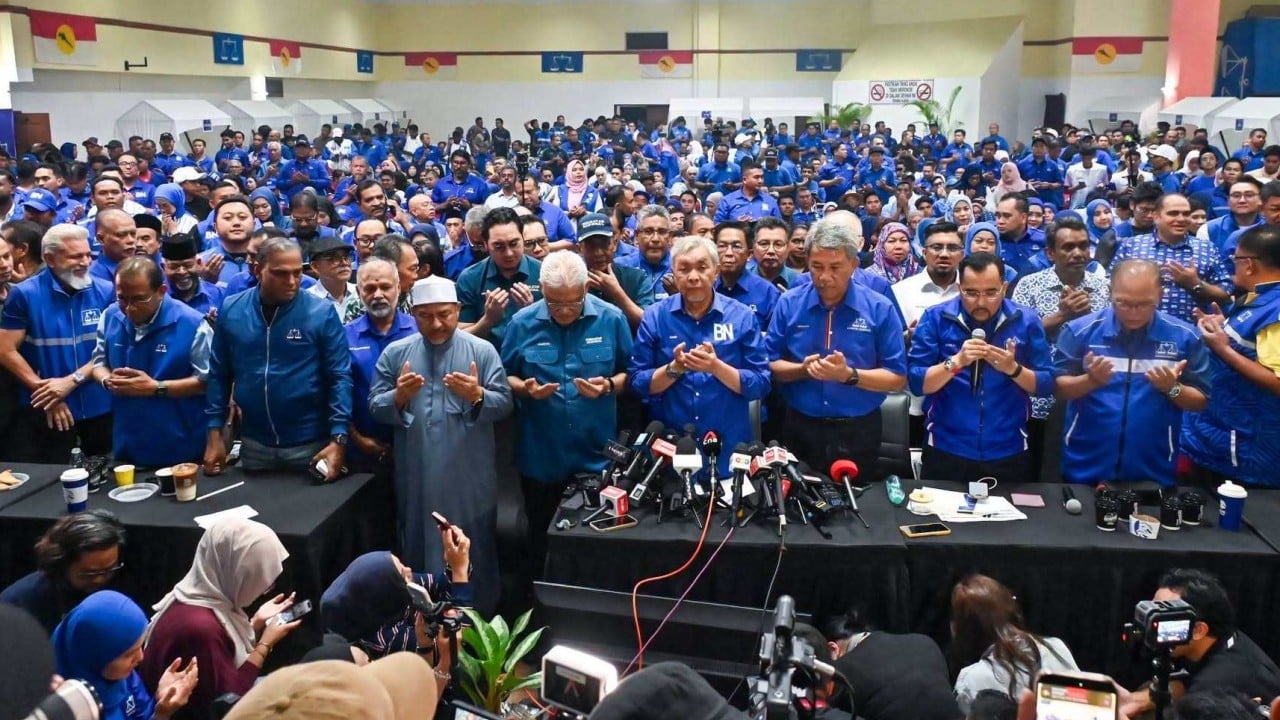
Malaysia’s Ruling Coalition Faces Political Challenges Amid Rising Malay Nationalism
Prime Minister Anwar Ibrahim’s coalition is facing significant political pressure following recent state election losses. Analysts suggest a growing preference for Malay-centric leadership is threatening the current administration's reform agenda.
Malaysia’s political landscape is currently undergoing a period of instability as Prime Minister Anwar Ibrahim’s Pakatan Harapan (PH) coalition struggles to maintain its momentum. After nearly a decade of political shifts and reform efforts, the administration is facing a potential electoral decline. This trend has been highlighted by recent losses in three state elections, most notably the loss of control in Negeri Sembilan, which the coalition had held for nearly eight years.
Observers suggest that the current political climate is being shaped by a surge in Malay nationalism. There is a growing sentiment among the ethnic majority that favors a return to traditional, strong Malay leadership, which stands in contrast to the reformist platform championed by Anwar. While the administration continues to push for its policy objectives, the electoral results indicate a disconnect between the government's reform experiment and the priorities of a significant portion of the electorate. The political future of the coalition remains uncertain as it attempts to navigate these shifting demographics and voter expectations.
📡 Media Analysis
How each outlet framed the story — angles, word choices, and what they chose to push or ignore.
Framed the election results as a definitive rejection of reformist policies in favor of ethnic nationalism.
"bruising losses"
🔍 What Nobody's Reporting
- ·Lack of perspective from the opposition parties regarding their specific policy platforms.
- ·Absence of data or commentary from non-Malay voter demographics to provide a complete picture of the electorate.
📰 Sources
0 A-rated source(s) among 1 total. Lowest trust: SCMP (B)