
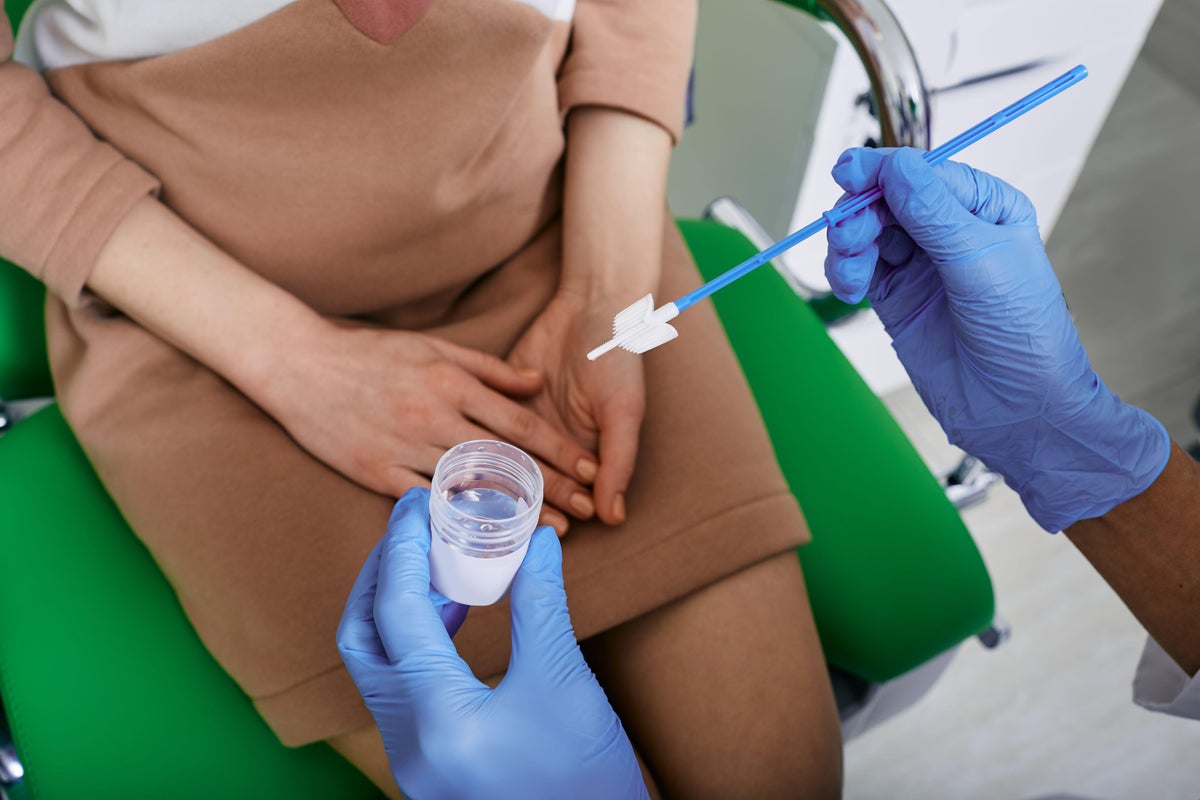
Medical experts address public concerns regarding chemicals used in cervical smear tests
Health experts are responding to social media claims suggesting that chemicals used in cervical smear tests are carcinogenic. Medical authorities maintain that the screening process is safe and essential for cancer prevention.
Recent misinformation circulating online has raised concerns among some patients regarding the safety of cervical smear tests, specifically alleging that the materials used in the procedure are 'cancer-causing.' Medical professionals and health organizations have moved to clarify that the chemicals involved in the testing process are standard, safe, and do not pose a risk of developing cancer.
In the United Kingdom, where over 3,000 women are diagnosed with cervical cancer annually, health officials emphasize that regular screening remains the most effective tool for early detection and prevention. Experts argue that the spread of these claims could lead to a decline in screening attendance, potentially resulting in missed diagnoses. While the specific chemical compounds used in the collection kits are regulated and tested for medical use, the viral nature of the claims has prompted a public health response to reassure patients that the benefits of the test far outweigh any perceived risks.
There is a clear consensus among medical bodies that the procedure is safe, though the sources of the initial claims remain largely unverified by the scientific community. The primary point of tension lies between the viral social media narrative, which frames the medical equipment as hazardous, and the clinical reality, which views the test as a life-saving standard of care. Health providers are currently focusing on patient education to counteract the anxiety caused by these online reports.
📡 Media Analysis
How each outlet framed the story — angles, word choices, and what they chose to push or ignore.
Focused on the public health risk of misinformation while highlighting the necessity of the screening program.
"smear tests"
⚡ Where Sources Disagree
- ·The safety of the chemical components in the test kits (public claims suggest they are carcinogenic vs. medical experts who state they are safe).
🔍 What Nobody's Reporting
- ·Lack of specific identification regarding the origin or source of the 'cancer-causing' claims.
- ·Absence of detailed chemical analysis or statements from the manufacturers of the testing kits.
📰 Sources
0 A-rated source(s) among 1 total. Lowest trust: The Independent (B)