
Meghalaya’s Bee Populations Identified as Vital to Regional Economy and Ecology
Researchers are highlighting the critical role of diverse bee species in Meghalaya’s hills for local agriculture and honey production. These populations are increasingly viewed as essential assets for both economic development and environmental conservation.
Market Narrative Detected
The narrative frames biodiversity as a 'hidden' financial asset, suggesting that regional economic growth can be unlocked through the systematic exploitation and conservation of natural resources. This benefits local agricultural planners and development agencies seeking to brand Meghalaya as a sustainable honey-producing hub.
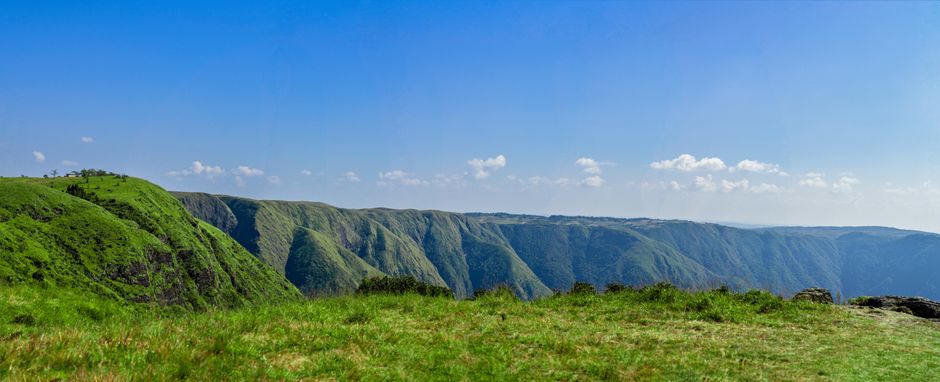
The hilly terrain of Meghalaya, India, is home to a diverse and often overlooked population of bee species that serve as a cornerstone for the region's ecological health and agricultural productivity. Recent reports emphasize that these bees are not merely environmental indicators but are central to a growing 'honey economy' that supports local livelihoods through pollination services and the production of high-value honey.
Conservationists and agricultural experts argue that protecting these bee habitats is essential for maintaining crop yields in the state. While the economic potential of the honey industry is significant, the current focus remains on the intersection of biodiversity and sustainable farming practices. The region’s unique topography provides a sanctuary for various bee species, which are increasingly under pressure from environmental changes. Efforts are now being directed toward mapping these 'hidden' populations to better understand how they contribute to the broader agricultural framework of Northeast India. By integrating bee conservation into regional economic planning, stakeholders hope to secure both the food supply and the financial stability of local farmers who rely on these natural pollinators.
📡 Media Analysis
How each outlet framed the story — angles, word choices, and what they chose to push or ignore.
Focused on the intersection of ecological conservation and economic development potential.
"hidden world of bees"
🔍 What Nobody's Reporting
- ·Lack of specific data on current honey production volumes or market size.
- ·Absence of information regarding specific threats (e.g., pesticides or climate change) currently impacting these bee populations.
📰 Sources
0 A-rated source(s) among 1 total. Lowest trust: Hindustan Times (B)