
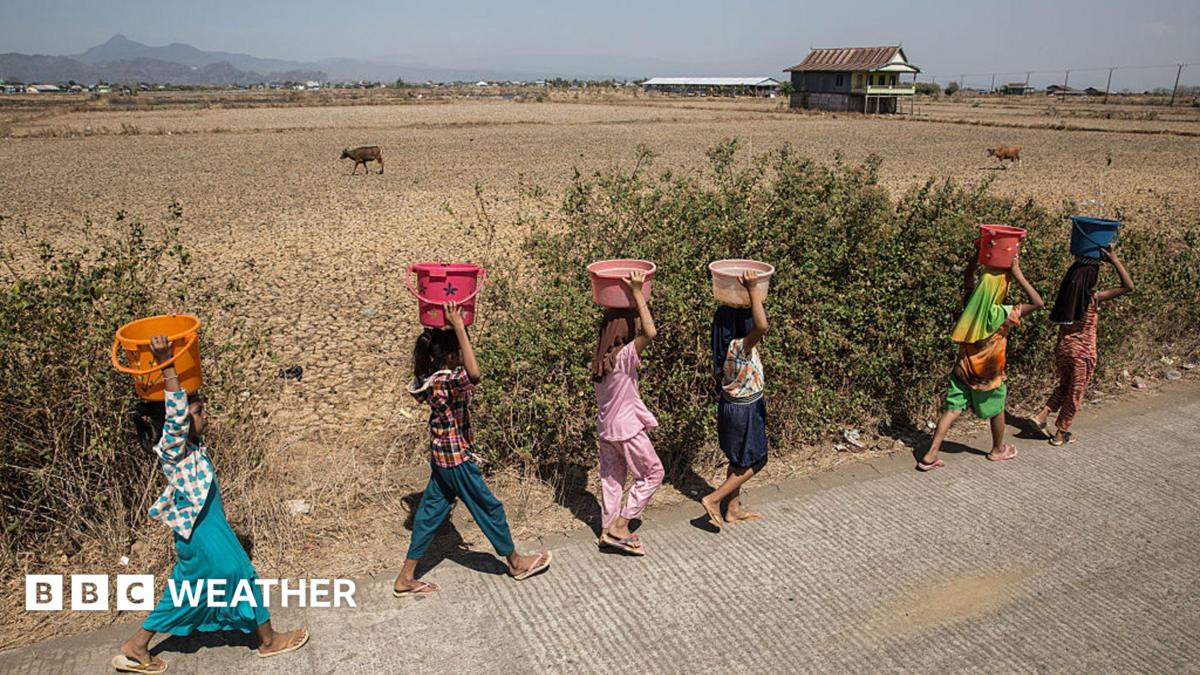
Met Office Warns El Niño Could Become Strongest on Record
The UK Met Office has identified a strengthening El Niño weather pattern that may reach unprecedented levels. Scientists project this development could make 2027 the hottest year ever recorded.
The UK Met Office has issued a warning regarding the current El Niño weather pattern, describing it as an event that could become the strongest in living memory. El Niño is a natural climate phenomenon characterized by the warming of surface waters in the eastern Pacific Ocean, which typically has significant ripple effects on global weather patterns, including increased temperatures and altered rainfall.
According to the Met Office, the current trajectory of the phenomenon is being viewed as an unprecedented event. Researchers are closely monitoring the data, which suggests that the intensity of this cycle is accelerating. Based on current climate modeling, experts have concluded that the resulting global heat increase will likely push 2027 to become the hottest year on record, surpassing previous temperature peaks.
While the report focuses on the meteorological data and the potential for record-breaking heat, it does not detail the specific regional impacts or the duration of the event. The scientific consensus highlighted by the Met Office emphasizes that the scale of this particular El Niño is distinct from historical occurrences, marking a significant shift in global climate trends. As the pattern continues to develop, meteorologists are expected to provide further updates on how this will influence seasonal weather expectations globally.
📡 Media Analysis
How each outlet framed the story — angles, word choices, and what they chose to push or ignore.
Focused on the scientific warning and the potential for a record-breaking temperature year.
"unprecedented event"
🔍 What Nobody's Reporting
- ·Lack of specific regional impacts or geographical areas most at risk.
- ·Absence of context regarding how this El Niño compares to previous major events in terms of specific temperature degrees.
📰 Sources
1 A-rated source(s) among 1 total. Lowest trust: BBC News (A)