
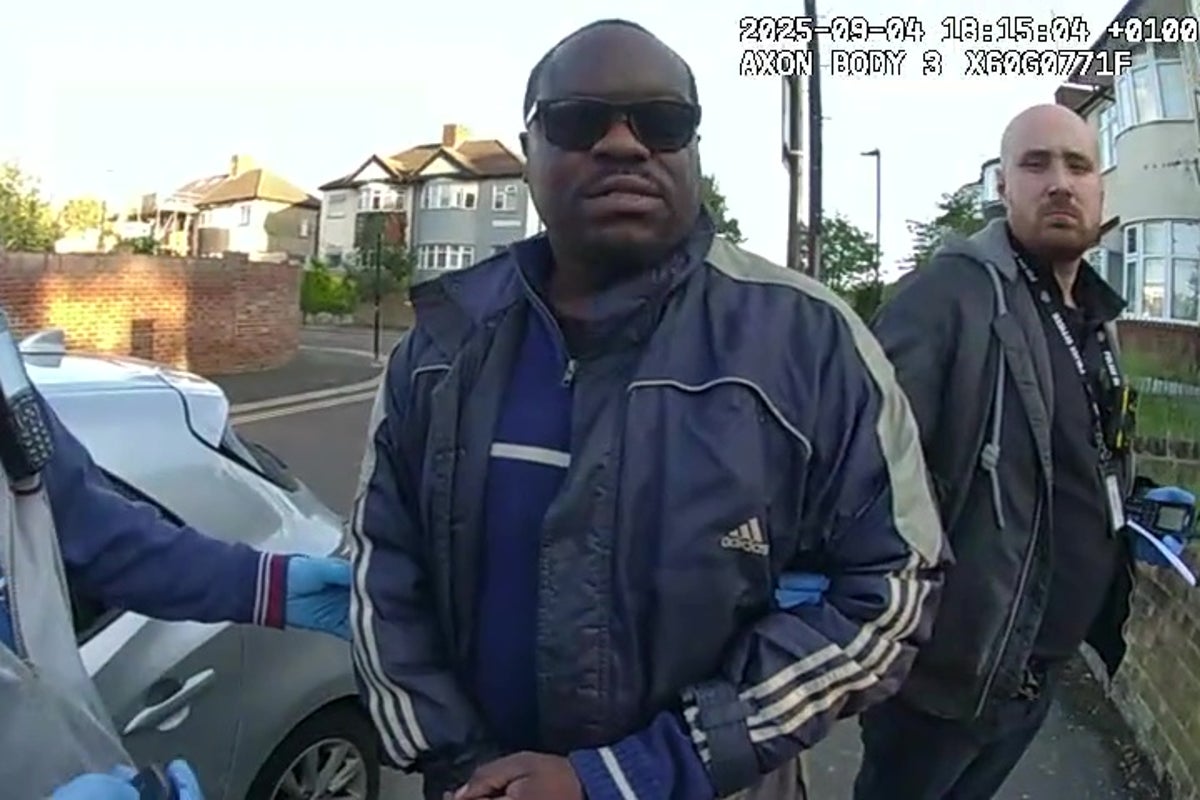
Metropolitan Police Acknowledge Missed Opportunities to Prevent Simon Levy's Crimes
The Metropolitan Police have admitted that failures in monitoring serial sex offender Simon Levy allowed him to commit murder. Officials acknowledged that earlier intervention could have potentially prevented the victim's death.
The Metropolitan Police have formally acknowledged significant lapses in their oversight of Simon Levy, a registered sex offender who went on to commit murder. Following a review of the case, authorities admitted that the escalation of Levy’s criminal behavior was not adequately addressed by the systems intended to monitor high-risk offenders. The admission highlights a series of procedural errors that allowed Levy to remain at large despite his history of predatory behavior.
According to the report, the timeline of Levy’s offenses reveals a pattern where warning signs were either missed or not acted upon with sufficient urgency. The police have expressed regret, noting that the victim's death might have been avoided had the department managed the case with greater effectiveness. While the police have accepted responsibility for these systemic failures, the case has sparked renewed scrutiny regarding how the force tracks and manages individuals on the sex offender registry. The investigation into the specific breakdown of communication and oversight is ongoing, as the department faces pressure to reform its protocols to ensure that high-risk offenders are monitored more strictly in the future.
📡 Media Analysis
How each outlet framed the story — angles, word choices, and what they chose to push or ignore.
Focused on institutional failure and the preventable nature of the tragedy.
"failed to stop a dangerous predator"
🔍 What Nobody's Reporting
- ·Lack of comment or perspective from the Metropolitan Police’s internal oversight board or union representatives.
- ·No information provided regarding the specific procedural changes being implemented to prevent future occurrences.
📰 Sources
0 A-rated source(s) among 1 total. Lowest trust: The Independent (B)