
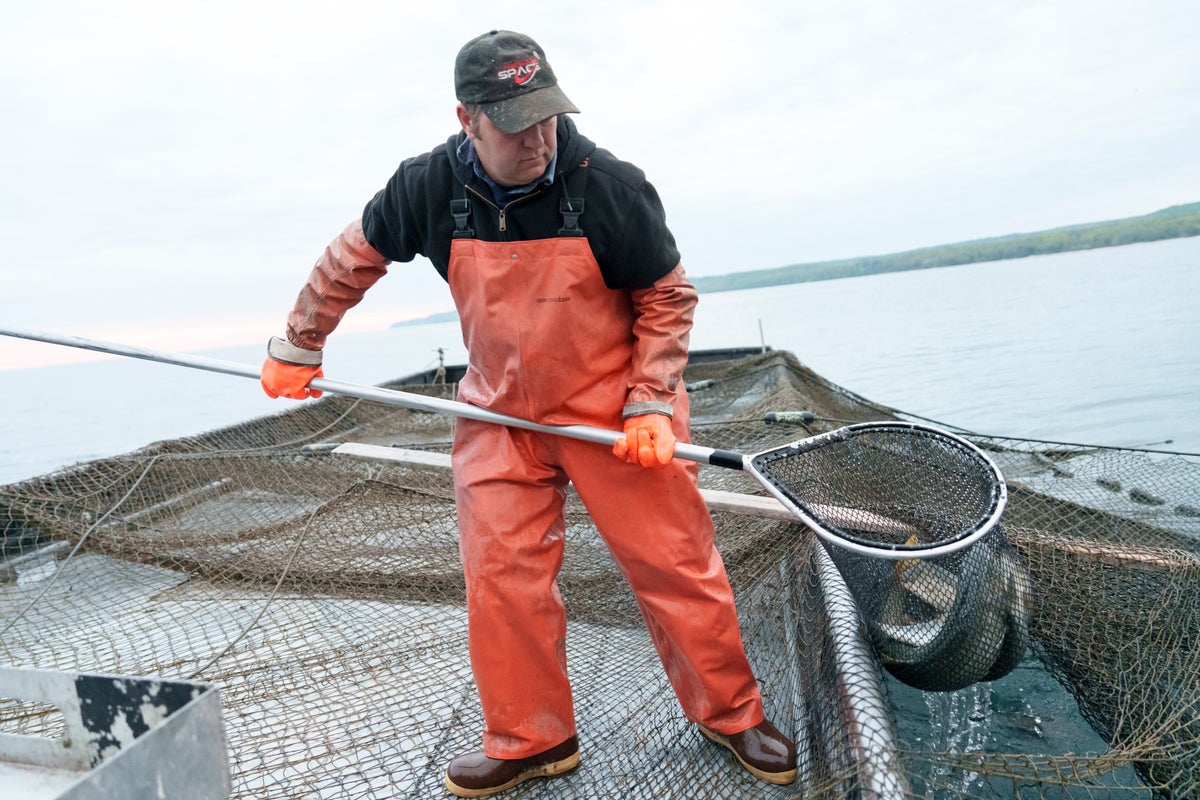
Michigan Officials Launch New Strategy to Protect Great Lakes Whitefish
Michigan state authorities have introduced a new management plan aimed at protecting the Great Lakes whitefish population. The initiative focuses on mitigating the negative ecological impact caused by invasive mussel species.
Michigan officials have announced a new conservation strategy designed to address the declining whitefish population in the Great Lakes. The plan, described by state representatives as a necessary intervention, targets the proliferation of invasive mussel species that have disrupted the local aquatic ecosystem. These mussels are known to outcompete native species for food and alter the nutrient balance of the lakes, which has led to a significant reduction in whitefish numbers over recent years.
The state’s proposal involves a multi-faceted approach, including habitat monitoring and potential adjustments to commercial and recreational fishing regulations. While the specific details of the implementation are still being finalized, the primary goal is to stabilize the population before the damage to the fishery becomes irreversible. State biologists emphasize that the urgency of the situation stems from the rapid spread of the invasive mussels, which have fundamentally changed the lakebed environment.
There is currently no public disagreement regarding the necessity of the plan, as the decline of the whitefish is well-documented by environmental agencies. However, stakeholders in the fishing industry have expressed concerns about how new regulations might impact their livelihoods. While the state government maintains that the plan is essential for the long-term health of the Great Lakes, some industry advocates are calling for more transparency regarding how these conservation measures will be funded and enforced. The state has committed to ongoing consultations with local communities to balance ecological preservation with economic stability.
📡 Media Analysis
How each outlet framed the story — angles, word choices, and what they chose to push or ignore.
Framed the issue as an urgent environmental crisis requiring immediate government intervention.
"no time to spare"
⚡ Where Sources Disagree
- ·The extent to which commercial fishing regulations should be restricted versus the need for environmental preservation.
🔍 What Nobody's Reporting
- ·Specific details on the funding mechanisms for the rescue plan.
- ·The timeline for when new fishing regulations might take effect.
📰 Sources
0 A-rated source(s) among 1 total. Lowest trust: The Independent (B)