
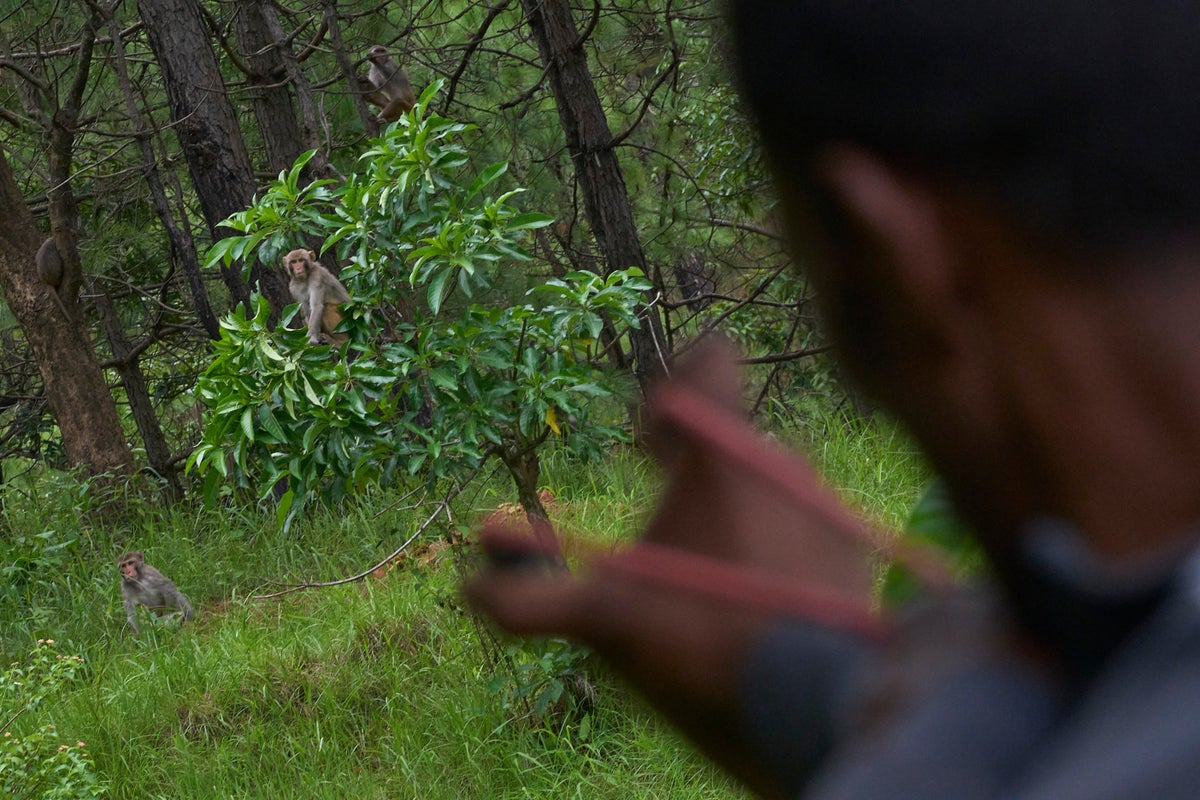
Monkeys increasingly damaging crops and threatening livelihoods for farmers in Nepal
Farmers in Nepal are facing significant economic challenges as wild monkeys frequently raid agricultural fields. This conflict between local wildlife and human food production has become a persistent issue for rural communities.
In rural Nepal, farmers are reporting an increase in crop-raiding incidents involving local monkey populations. These animals are entering agricultural lands to consume or destroy harvests, which serves as a primary source of income and sustenance for many families. The situation has escalated to the point where monkeys are now viewed as a major threat to the stability of farming communities.
While the report from The Independent highlights the destructive nature of these encounters, it focuses primarily on the perspective of the farmers who are losing their livelihoods. The narrative frames the monkeys as "enemies" of the agricultural sector, emphasizing the economic hardship caused by the animals' behavior. However, the report does not provide input from wildlife conservationists or government officials regarding potential non-lethal management strategies or the ecological factors driving the monkeys into human-populated areas. Consequently, the coverage presents a one-sided view of the conflict, focusing on the immediate impact on human food security without exploring the broader environmental context or the potential for coexistence strategies.
📡 Media Analysis
How each outlet framed the story — angles, word choices, and what they chose to push or ignore.
Framed the monkeys as a hostile threat to human survival while ignoring the ecological reasons for the behavior.
"persistent and destructive enemies"
🔍 What Nobody's Reporting
- ·Lack of perspective from wildlife experts or environmental scientists.
- ·Absence of information regarding government policy or mitigation efforts.
- ·No data on whether monkey population growth or habitat loss is the primary driver of the raids.
📰 Sources
0 A-rated source(s) among 1 total. Lowest trust: The Independent (B)