
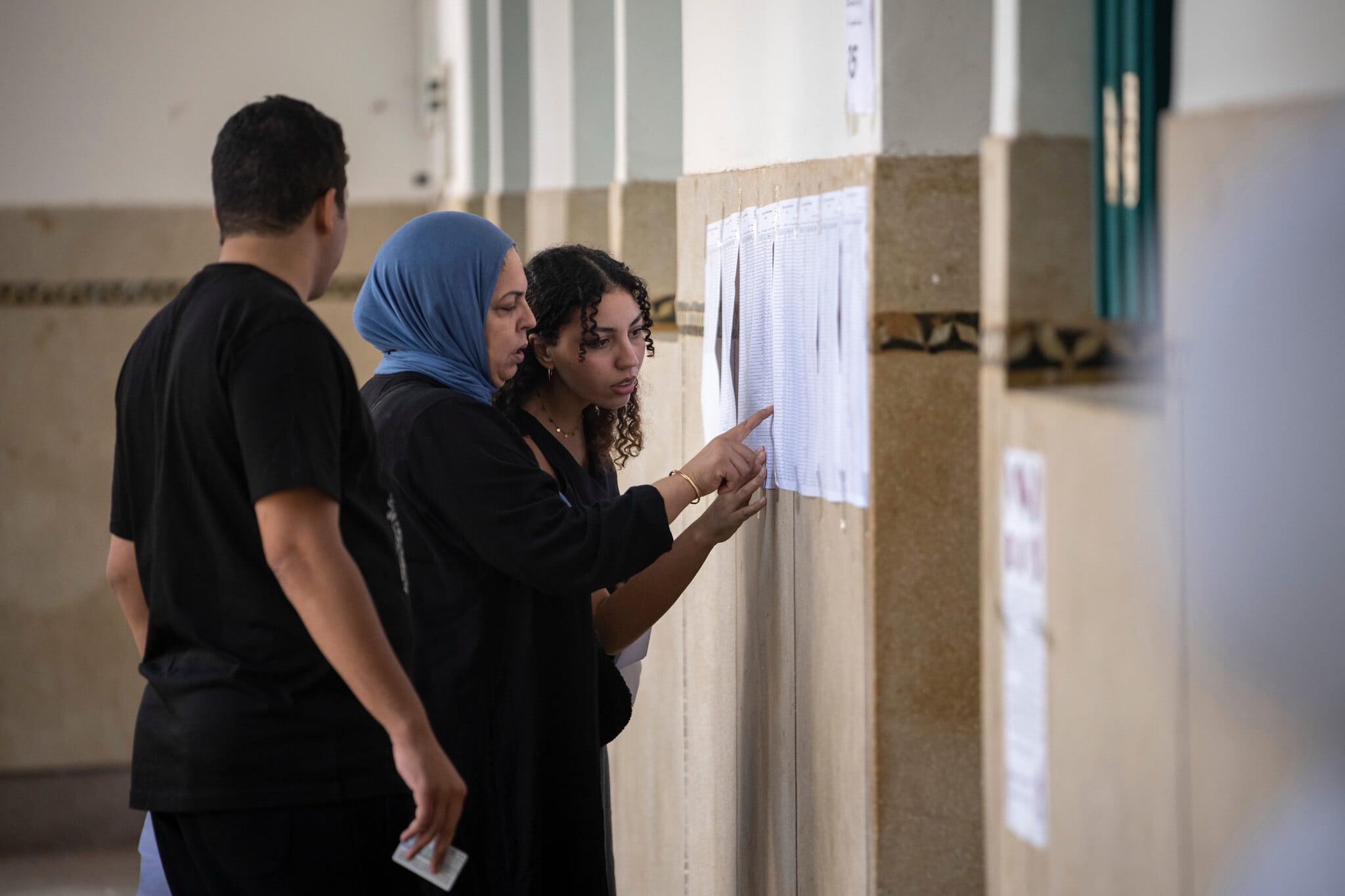
Morocco's Ruling Coalition Wins Local Elections Amid Low Voter Turnout
Morocco's governing coalition maintained its lead in recent local elections marked by low voter participation. The results include the election of a controversial candidate who has previously made inflammatory remarks regarding Jewish leadership.
Morocco’s ruling coalition has secured a victory in recent local elections, maintaining its political dominance despite a low voter turnout. The election cycle was influenced by broader national issues, including the ongoing diplomatic tensions surrounding the Spanish enclave of Ceuta and the country’s preparations to co-host the 2030 FIFA World Cup.
While the coalition retained its standing, the results have drawn attention due to the election of a specific candidate who has previously engaged in highly controversial behavior. Reports indicate this individual has publicly referred to a Jewish leader as a "cancer" and has been documented stomping on an Israeli flag. The election also saw the Islamist opposition party gain some ground, signaling a shift in the political landscape despite the coalition's overall success.
The election results reflect a complex political environment where local governance is increasingly tied to national identity, international relations, and economic planning. The low turnout suggests a degree of voter apathy or dissatisfaction, even as the ruling parties continue to consolidate power. The inclusion of candidates with histories of inflammatory rhetoric has sparked debate regarding the political discourse within the country's legislative and local bodies.
📡 Media Analysis
How each outlet framed the story — angles, word choices, and what they chose to push or ignore.
Highlighted the election of a controversial candidate to emphasize regional hostility toward Israel.
"candidate who called Jewish leader ‘cancer’ elected"
✓ Only outlet to report: Identified the specific inflammatory actions of the elected candidate, including the flag-stomping incident.
🔍 What Nobody's Reporting
- ·Lack of specific vote percentages or seat counts for the coalition versus the opposition.
- ·Absence of context regarding the platforms or policy goals of the winning coalition.
📰 Sources
0 A-rated source(s) among 1 total. Lowest trust: Times of Israel (B)