
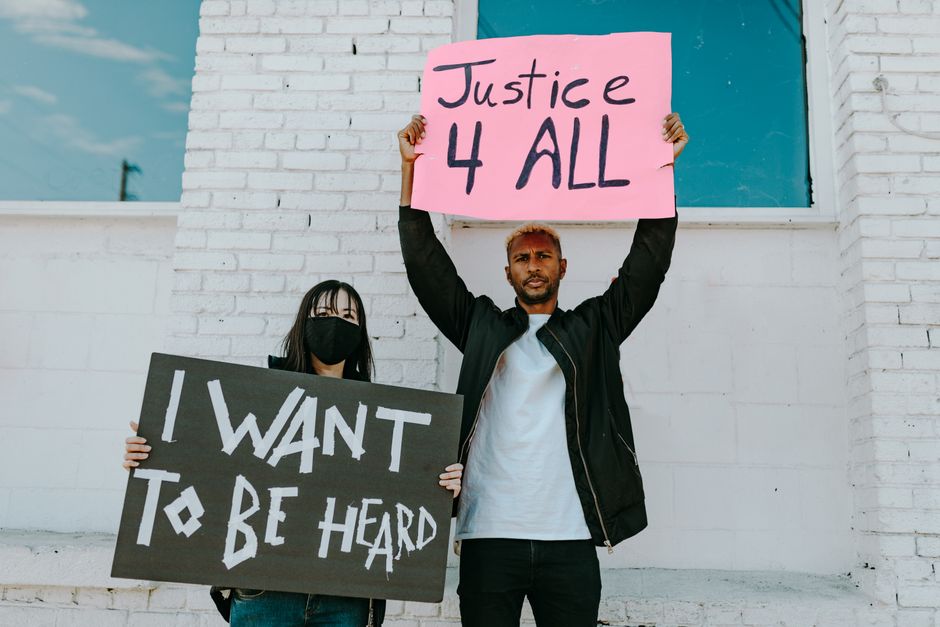
NAACP Call for Athlete Boycotts Faces Challenges from Modern NIL Economy
The NAACP has urged Black college athletes to boycott universities in states with restrictive voting laws. However, the rise of Name, Image, and Likeness (NIL) deals has created a financial barrier that makes such protest tactics difficult to implement.
The NAACP has called for Black college athletes to boycott universities located in states that have rolled back voting rights, aiming to use athletic influence to drive political change. This strategy, rooted in historical civil rights protest models, is currently facing significant friction due to the modern landscape of college sports.
Since the introduction of Name, Image, and Likeness (NIL) policies, college athletes have gained the ability to earn significant income through endorsements and partnerships. This $3 billion industry has fundamentally altered the incentives for student-athletes. According to reports, many top-tier athletes are hesitant to participate in boycotts that would jeopardize these lucrative financial opportunities.
There is a clear tension between civil rights advocates, who view boycotts as an essential tool for social justice, and the current generation of athletes who prioritize the financial stability and career advancement provided by NIL deals. While advocates argue that the systemic issues regarding voting rights remain a priority, the economic reality of the NIL era has created a disconnect, as athletes are increasingly unwilling to sacrifice their personal financial gains for collective protest actions.
📡 Media Analysis
How each outlet framed the story — angles, word choices, and what they chose to push or ignore.
Focused on the conflict between historical protest methods and the new financial incentives of the NIL era.
"unwilling protesters"
✓ Only outlet to report: Identified the specific valuation of the NIL economy at $3 billion.
🔍 What Nobody's Reporting
- ·Lack of direct quotes or perspectives from the athletes themselves regarding their stance on the boycott.
- ·No mention of specific states or universities currently being targeted by the NAACP's call.
📰 Sources
0 A-rated source(s) among 1 total. Lowest trust: Axios (B)