
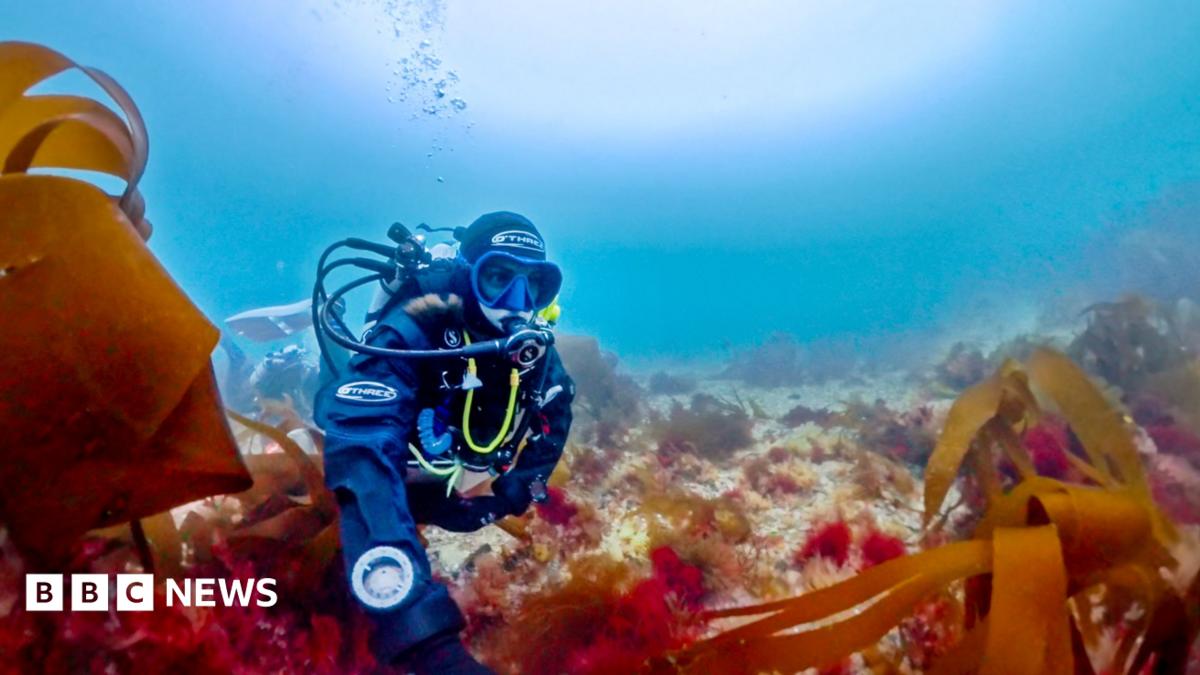
Natural History Museum Acquires Rare 'Pink Zebra' Seaweed Specimen
A rare species of algae, known as 'pink zebra' seaweed, has been added to the Natural History Museum's collection. The acquisition follows a scientist's four-decade-long effort to study the elusive organism.
The Natural History Museum has officially added a rare specimen of 'pink zebra' seaweed to its permanent collection. This acquisition marks the culmination of a forty-year research project led by a scientist who dedicated their career to tracking and understanding the mysterious algae.
First documented four decades ago, the seaweed earned its nickname due to its distinct coloration and pattern. For years, the organism remained elusive, making it a subject of intense scientific curiosity and specialized study. The researcher involved spent their professional life documenting the seaweed's characteristics and habitat, eventually securing the specimen for preservation and further academic analysis.
While the BBC report focuses on the successful preservation of the specimen, it notes that the seaweed was considered a mystery for much of the last forty years. The museum’s acquisition ensures that the algae will be available for future study, providing researchers with a stable reference point to understand its unique biological properties. The report does not detail the specific biological classification or the exact location where the specimen was recovered, focusing instead on the narrative of the scientist's long-term dedication to the project.
📡 Media Analysis
How each outlet framed the story — angles, word choices, and what they chose to push or ignore.
Framed the story as a human-interest achievement regarding scientific dedication.
"lifelong obsession"
🔍 What Nobody's Reporting
- ·Lack of specific biological details regarding the seaweed's classification.
- ·No information provided on the ecological significance or habitat of the species.
📰 Sources
1 A-rated source(s) among 1 total. Lowest trust: BBC News (A)