
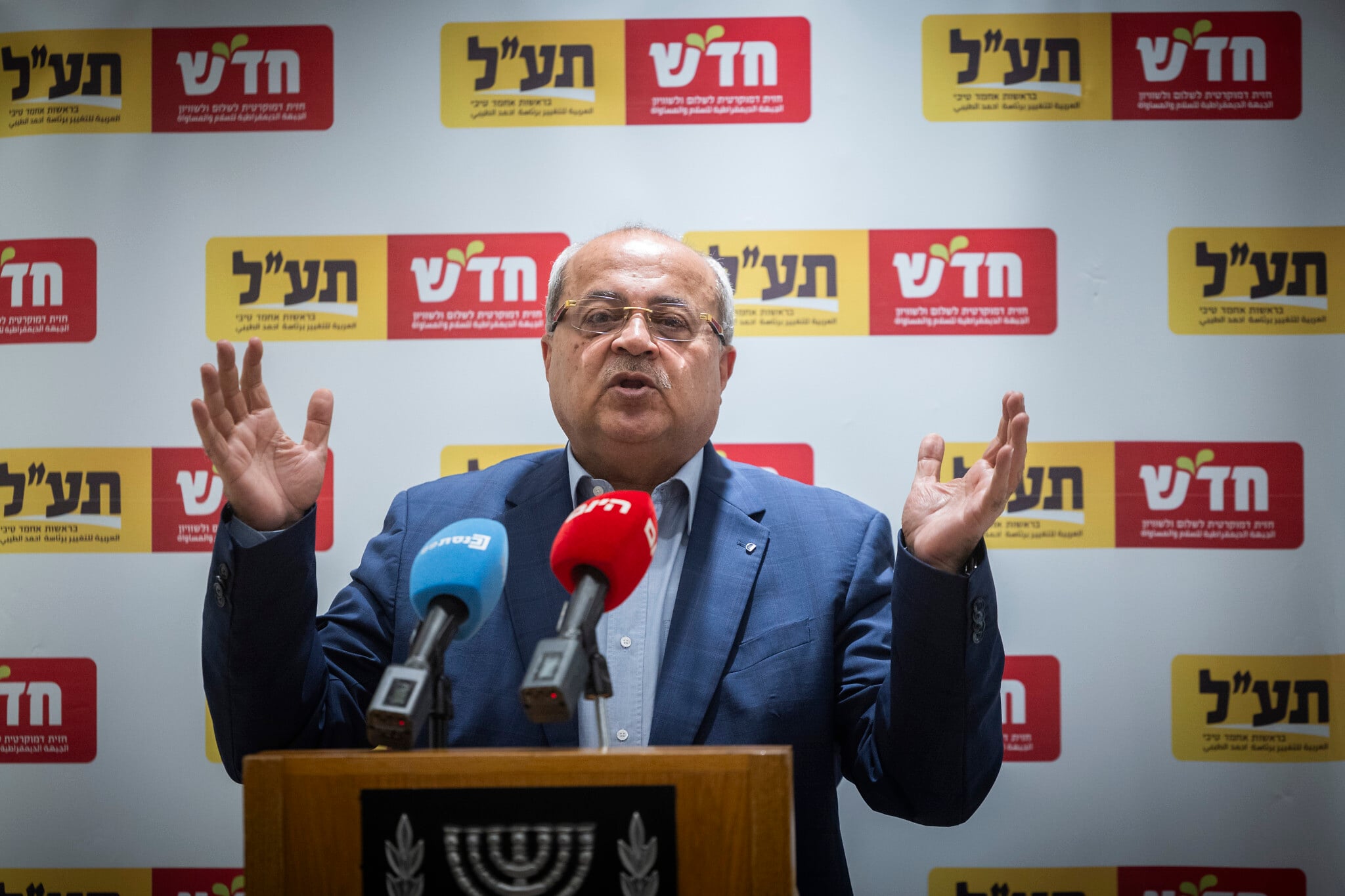
Negotiations for Arab Joint List Stall Over Proposed Seat Distribution
Efforts to form a unified Arab political list for the upcoming Knesset elections have stalled due to disagreements over candidate placement. Ahmad Tibi of the Ta'al party has rejected a proposed slate that would reduce his party's representation.
Negotiations to form a joint Arab political slate for the Knesset have hit a significant obstacle, as party leaders struggle to agree on the distribution of seats. The current point of contention involves a proposed list that would result in the Ta'al party, led by Ahmad Tibi, receiving the smallest share of representation among the three participating factions.
While the proposal is being pushed by other partners in the coalition, Tibi has formally rejected the arrangement. The disagreement highlights the internal friction inherent in balancing the interests of the various parties involved in the Joint List. Yousef Jabareen, chairman of the Hadash party, has defended the proposed slate, characterizing it as a fair reflection of the public's will. However, the rejection by Ta'al suggests that the parties remain far from a consensus. As it stands, the future of a unified Arab list remains uncertain, with the internal power dynamics between Hadash, Ta'al, and other potential partners serving as the primary barrier to a finalized agreement.
📡 Media Analysis
How each outlet framed the story — angles, word choices, and what they chose to push or ignore.
Focused on the internal political friction and the specific parties involved in the deadlock.
"hit snag"
✓ Only outlet to report: Identified Yousef Jabareen's specific defense of the proposal as an 'expression of the public's will'.
⚡ Where Sources Disagree
- ·Whether the proposed seat distribution is a fair reflection of the public's will or an inequitable arrangement for the Ta'al party.
🔍 What Nobody's Reporting
- ·Lack of perspective from the Ta'al party regarding their specific counter-proposal or demands.
- ·Absence of information regarding the third party involved in the negotiations.
📰 Sources
0 A-rated source(s) among 1 total. Lowest trust: Times of Israel (B)