
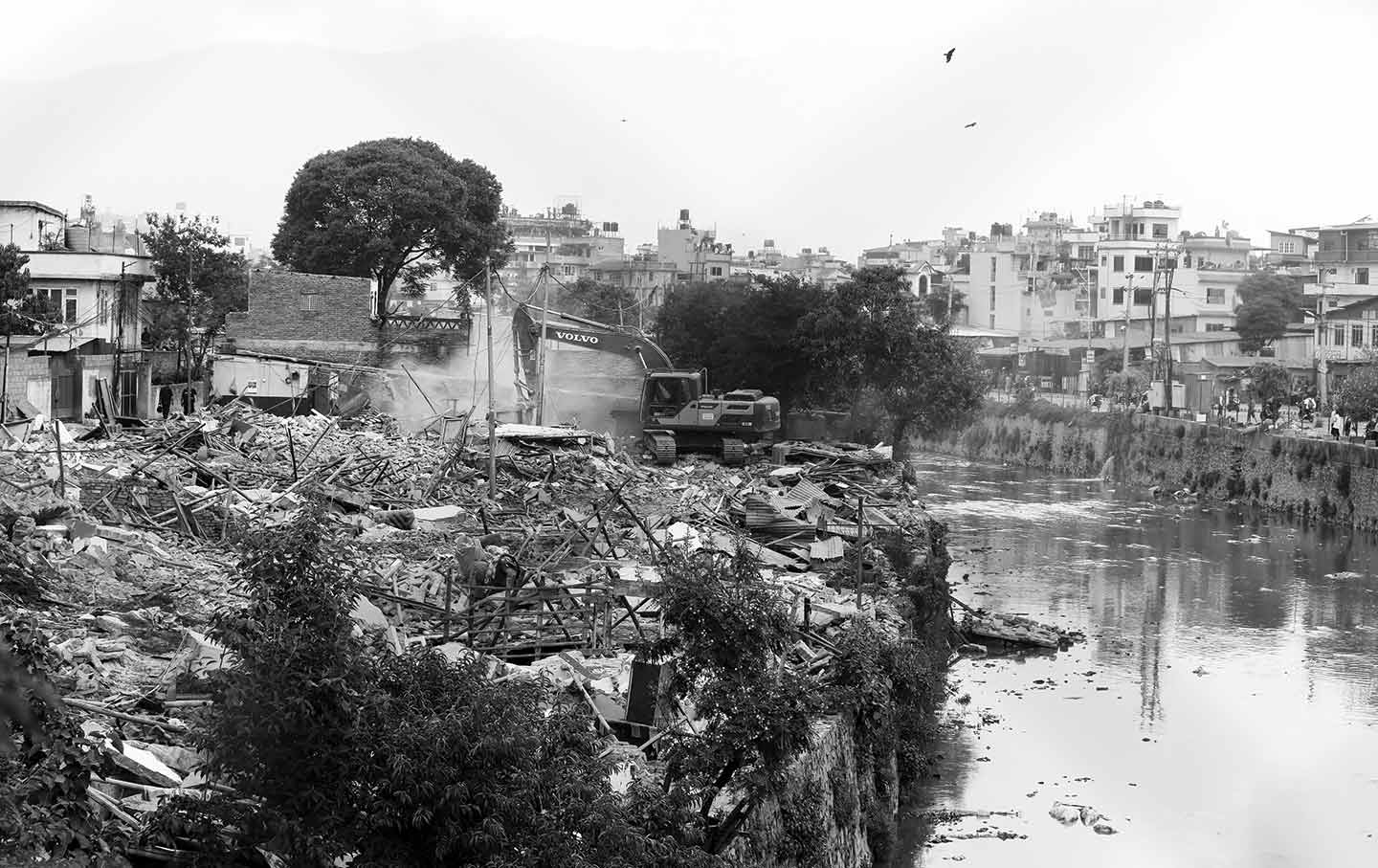
Nepal Faces Challenges Regarding Climate Change and Democratic Stability
One year after a youth-led uprising, Nepal is navigating a complex landscape involving democratic governance and climate change adaptation. The country remains at a critical juncture as it addresses both political reform and environmental threats.
Nepal is currently navigating a period of significant transition following a youth-led movement that occurred approximately one year ago. The nation is grappling with the dual challenges of maintaining democratic stability and addressing the urgent impacts of climate change. Observers note that the country’s political future is closely tied to its ability to manage environmental risks, which threaten the livelihoods of many citizens.
While the recent uprising highlighted a desire for systemic change and improved human rights, the current political climate remains fluid. There is a broad consensus that Nepal’s path forward requires addressing both the grievances of the younger generation and the physical vulnerabilities posed by global warming. The situation is characterized by a struggle to balance immediate political demands with long-term survival strategies in a region highly susceptible to climate-related disasters.
📡 Media Analysis
How each outlet framed the story — angles, word choices, and what they chose to push or ignore.
Framed the political situation as a necessary struggle for survival against climate change.
"A Reckoning Comes for Nepal"
✓ Only outlet to report: Explicitly linked the Gen Z uprising to the broader context of climate survival.
🔍 What Nobody's Reporting
- ·Lack of specific details regarding the current government's policy response to climate change.
- ·Absence of perspectives from opposing political factions or established government officials.
- ·Limited information on the specific economic impacts currently affecting the population.
📰 Sources
0 A-rated source(s) among 1 total. Lowest trust: The Nation (B)