
Nepal Faces Increasing Disaster Risks from Tectonic Activity and Climate Change
Nepal is experiencing heightened disaster risks due to the convergence of tectonic plate movement and rapid atmospheric warming. These dual forces are significantly altering the Himalayan landscape and increasing the frequency of environmental hazards.
Nepal is uniquely positioned at the intersection of two major geological and atmospheric phenomena that contribute to its vulnerability to natural disasters. According to reports, the Indian tectonic plate is currently colliding with the Eurasian plate at a rate of approximately 20 millimeters per year. This ongoing subduction process is a primary driver of the region's seismic activity and the dramatic topography of the Himalayas.
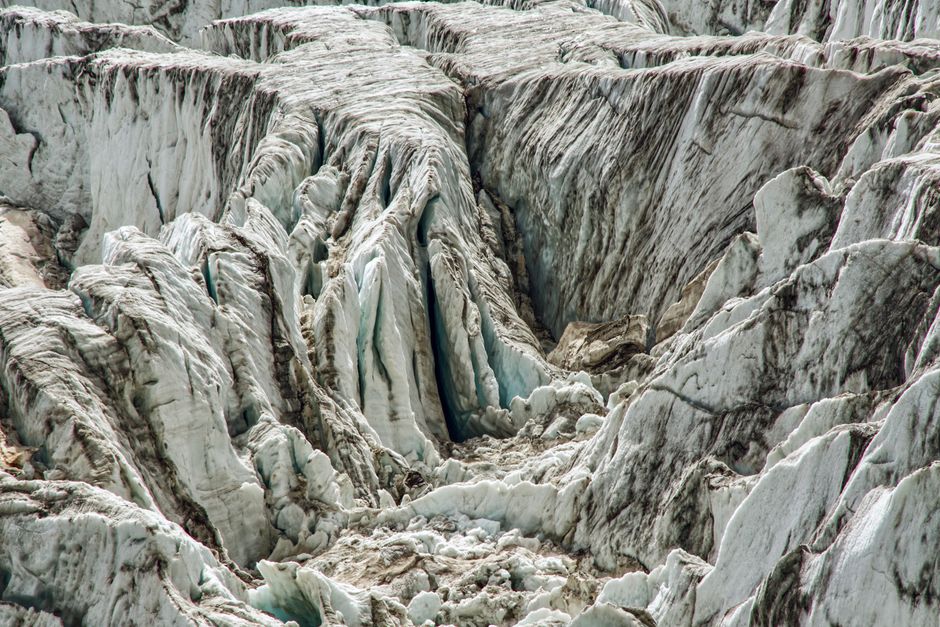
Beyond tectonic shifts, the region is also contending with accelerating atmospheric warming. This rise in temperature is significantly impacting the high-altitude glaciers that define the Nepalese landscape. As these glaciers react to changing climate conditions, the stability of the surrounding environment is compromised, leading to an increased risk of disasters such as glacial lake outburst floods and landslides. While the geological movement is a long-term, constant factor, the warming atmosphere acts as a catalyst that changes how these physical landscapes interact with human settlements. The combination of these forces creates a complex environment where traditional disaster management strategies are being challenged by rapidly shifting physical conditions.
📡 Media Analysis
How each outlet framed the story — angles, word choices, and what they chose to push or ignore.
Focused on the scientific intersection of geology and climate as the primary drivers of regional instability.
"massive planetary forces"
🔍 What Nobody's Reporting
- ·Lack of specific data on recent disaster events or casualty statistics.
- ·Absence of information regarding government mitigation policies or international aid efforts.
- ·No perspective from local residents or communities directly affected by these environmental shifts.
📰 Sources
0 A-rated source(s) among 1 total. Lowest trust: NDTV (B)