
Nepal Faces Severe Flooding Amid Global Concerns Over Climate Change
Nepal is currently grappling with the aftermath of devastating floods that have caused significant destruction and loss of life. Experts are increasingly linking the intensity of these weather events to broader patterns of global climate change.
Nepal is reeling from a series of catastrophic floods that have swept through various regions of the country, destroying infrastructure and displacing thousands of residents. The disaster has prompted urgent search and rescue operations as authorities work to reach isolated communities cut off by landslides and rising waters. While seasonal monsoon rains are a regular occurrence in the region, meteorologists and climate scientists have noted that the severity and frequency of these events are becoming increasingly erratic.
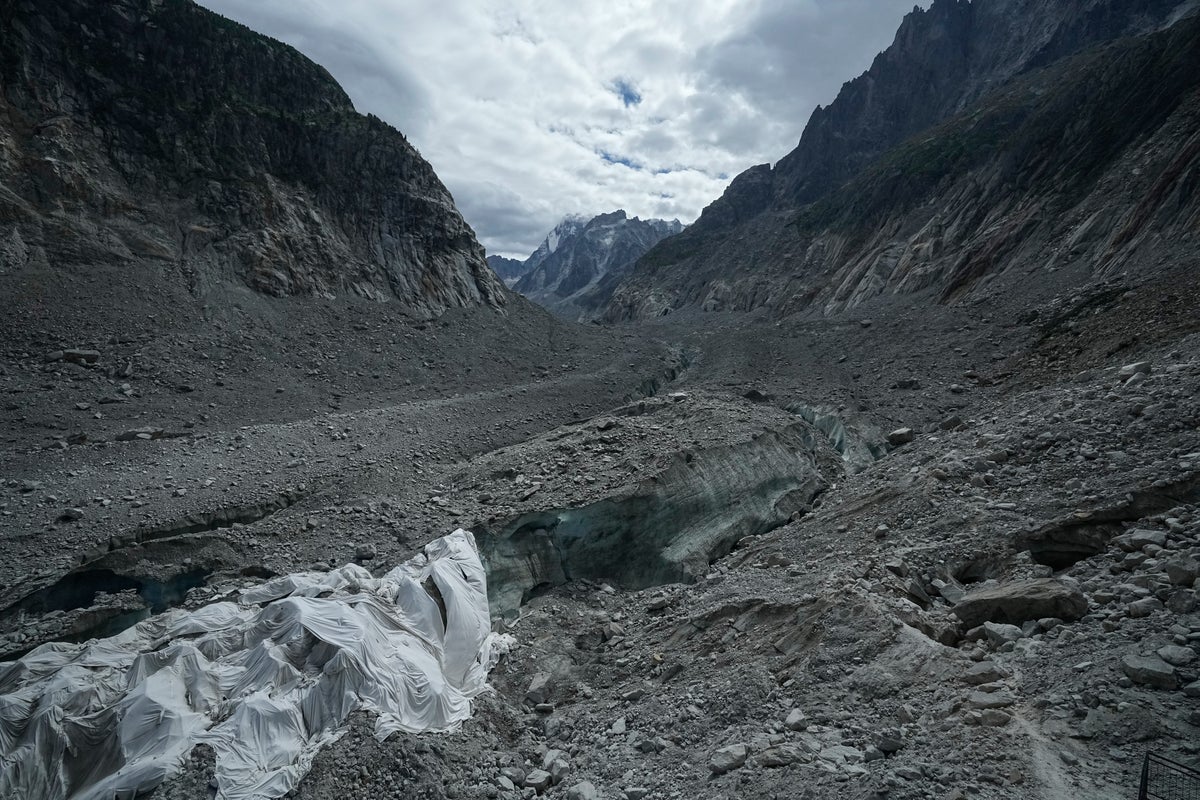
There is a growing consensus among environmental researchers that rising global temperatures are exacerbating the impact of these floods. Warmer air holds more moisture, leading to more intense rainfall, while the rapid melting of Himalayan glaciers creates additional risks for downstream communities. However, the discourse surrounding the disaster varies significantly. Some reports emphasize the immediate humanitarian crisis and the need for better disaster management infrastructure, while others, such as The Independent, frame the situation within the context of global environmental shifts, drawing parallels between the instability of the Himalayas and the melting glaciers of the Alps.
Despite the clear link between weather patterns and climate change, there is ongoing debate regarding the extent to which local deforestation and unplanned urban development contribute to the scale of the destruction. While some sources focus heavily on the global climate narrative, others argue that local policy failures regarding land use and flood defenses are equally responsible for the high casualty counts. As the recovery process begins, the government faces pressure to balance immediate relief efforts with long-term strategies to mitigate the risks posed by a changing climate.
📡 Media Analysis
How each outlet framed the story — angles, word choices, and what they chose to push or ignore.
Used the disaster as a springboard to discuss global climate warming trends.
"icy shadow of Mont Blanc"
✓ Only outlet to report: Connected the Himalayan disaster to the environmental changes occurring in the European Alps.
⚡ Where Sources Disagree
- ·The extent to which the disaster is caused by global climate change versus local infrastructure and land-use failures.
🔍 What Nobody's Reporting
- ·Lack of specific data on the current number of casualties and displaced persons.
- ·Absence of government response details or specific aid allocation plans.
📰 Sources
0 A-rated source(s) among 1 total. Lowest trust: The Independent (B)