
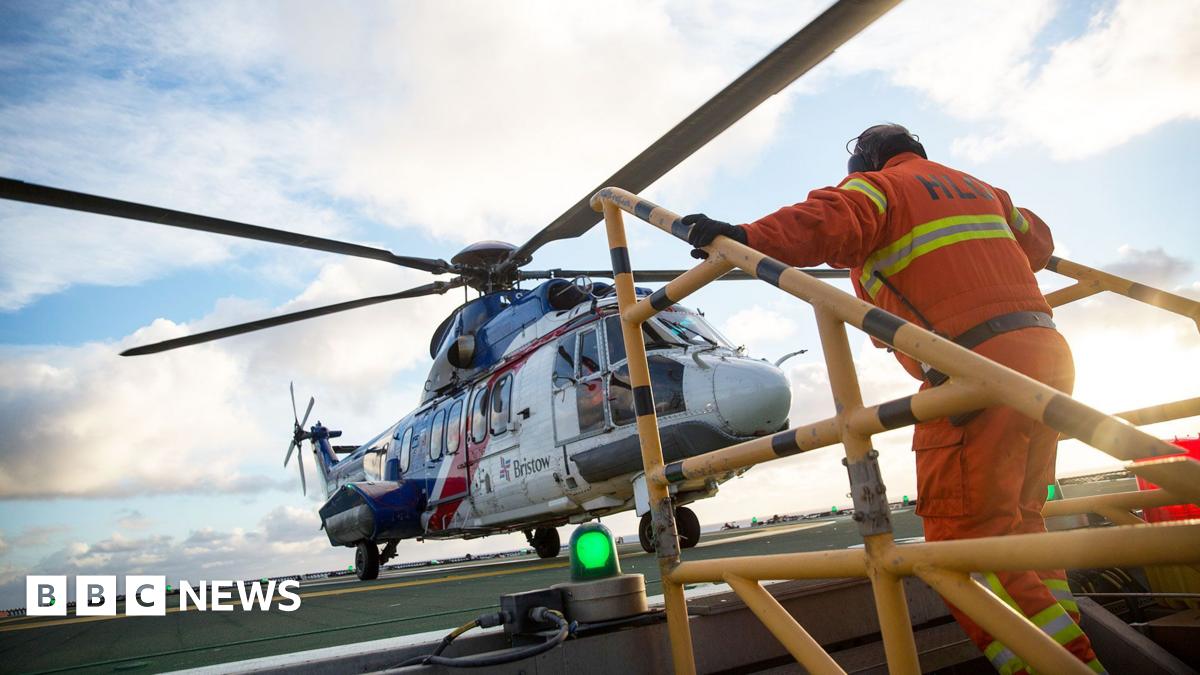
New North Sea helicopter safety rules exclude hundreds of workers due to weight limits
New safety regulations for North Sea helicopter operations require workers to weigh no more than 19.5 stone while fully clothed. This mandate aims to ensure personnel can be safely winched during emergency evacuations.
New safety protocols have been introduced for offshore workers in the North Sea, establishing a maximum weight limit for individuals traveling by helicopter. Under the updated guidelines, workers must weigh no more than 19.5 stone (approximately 124 kilograms) while wearing their full work gear and survival suits. The primary objective of this policy is to ensure that in the event of an emergency, rescue personnel can successfully winch workers from the sea or a vessel.
Industry officials state that the weight limit is a technical necessity dictated by the lifting capacity of emergency winching equipment. However, the implementation of this rule effectively disqualifies hundreds of current North Sea workers from participating in flights that require this specific safety clearance. While the regulation is framed as a critical safety measure to protect lives during potential accidents, it has created significant logistical challenges for offshore companies and individual employees who now find themselves unable to meet the new physical criteria. The industry is currently navigating how to manage the workforce impact of these restrictions while maintaining compliance with the updated safety standards.
📡 Media Analysis
How each outlet framed the story — angles, word choices, and what they chose to push or ignore.
Focused on the direct safety implications of the new weight restriction.
"too heavy"
⚡ Where Sources Disagree
- ·Whether the weight limit is a reasonable safety precaution or an exclusionary barrier for the existing workforce.
🔍 What Nobody's Reporting
- ·Lack of comment from labor unions or worker advocacy groups regarding the impact on employment.
- ·No information on whether equipment upgrades are being considered to accommodate a wider range of body types.
📰 Sources
1 A-rated source(s) among 1 total. Lowest trust: BBC UK (A)