
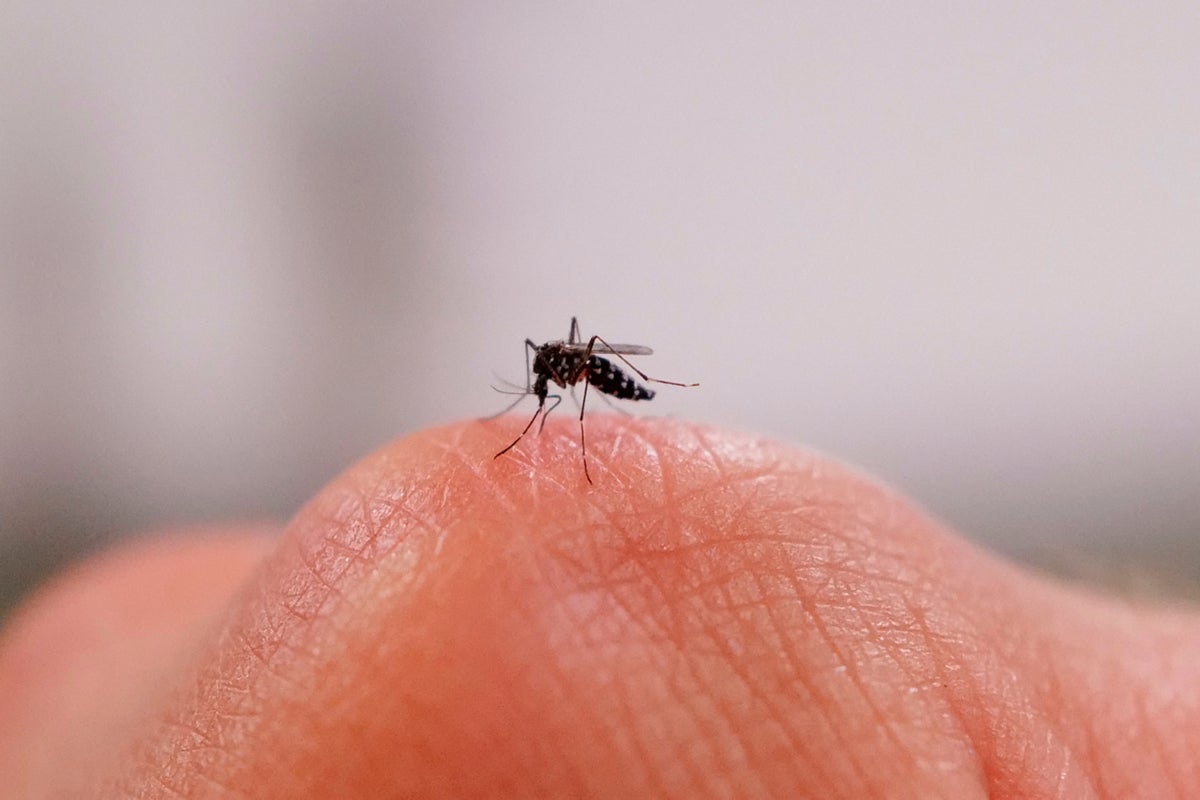
New Research Identifies Why Some People Attract More Mosquitoes
Scientists have identified specific chemical compounds on human skin that make some individuals more attractive to mosquitoes than others. These findings are expected to assist in the development of more effective insect repellents.
Recent scientific research has shed light on why certain individuals are consistently targeted by mosquitoes while others remain relatively untouched. According to the study, the primary factor is the unique chemical profile of an individual's skin, specifically the presence of certain carboxylic acids.
Researchers discovered that people who produce higher levels of these specific acids on their skin are more likely to be perceived as 'magnets' by mosquitoes. These compounds are produced by healthy skin bacteria and serve as a chemical signal that draws the insects in. The study suggests that this biological variation is largely determined by an individual's unique skin microbiome rather than diet or other commonly cited factors like blood type.
While previous theories have often focused on variables such as sugar intake or the consumption of garlic, this research points toward the skin's surface chemistry as the definitive driver of mosquito attraction. The findings are significant because they provide a concrete biological target for the development of next-generation repellents. By understanding the specific chemical signatures that mosquitoes track, scientists hope to create products that can mask these signals or disrupt the mosquito's ability to detect them, potentially offering more reliable protection against mosquito-borne diseases.
📡 Media Analysis
How each outlet framed the story — angles, word choices, and what they chose to push or ignore.
Focused on the scientific mechanism behind mosquito attraction and the potential for future product development.
"mosquito magnet"
✓ Only outlet to report: Identified carboxylic acids produced by skin bacteria as the specific chemical driver of attraction.
🔍 What Nobody's Reporting
- ·The study does not address whether these findings apply to all mosquito species or only specific types.
- ·There is no discussion regarding the environmental impact of potential new chemical repellents.
📰 Sources
0 A-rated source(s) among 1 total. Lowest trust: The Independent (B)