
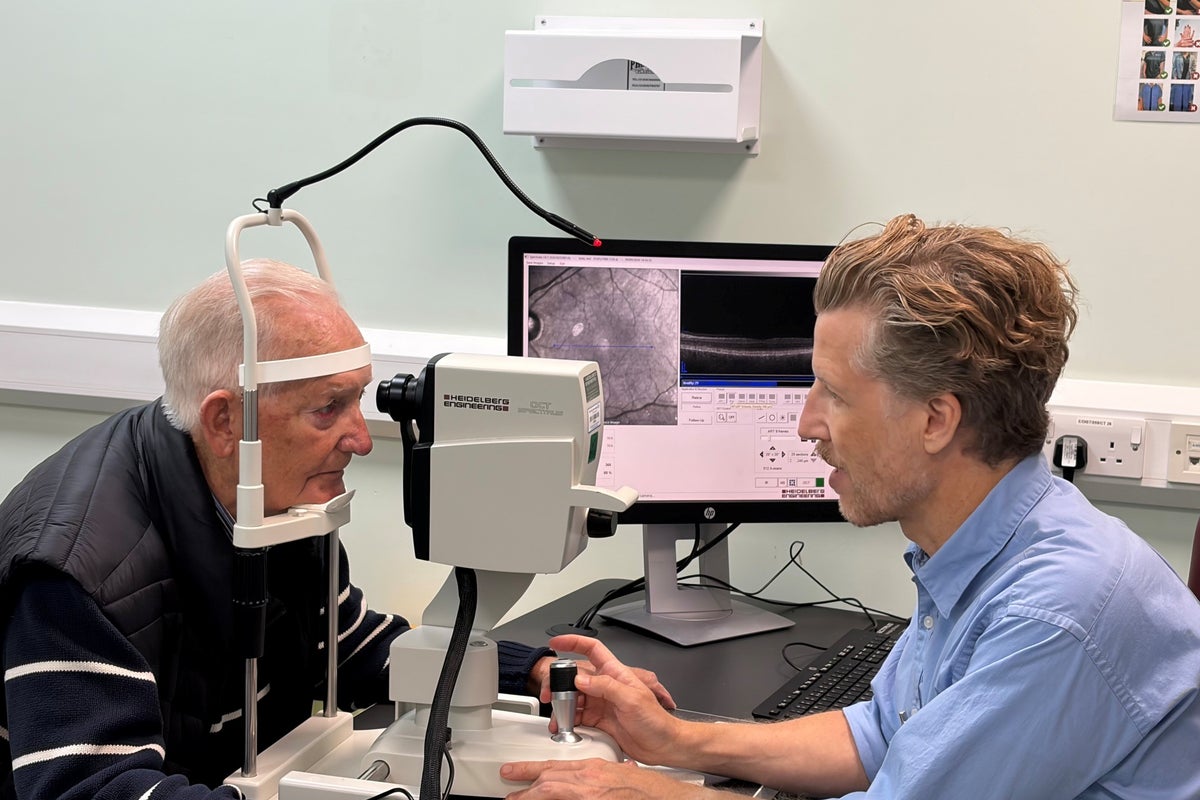
New Research Suggests Eye Scans May Detect Atrial Fibrillation Early
Researchers are investigating whether non-invasive eye scans can identify markers of atrial fibrillation years before a formal diagnosis. This discovery could potentially help clinicians intervene earlier to reduce the risk of stroke in patients.
A recent study indicates that specialized eye imaging technology may be capable of detecting signs of atrial fibrillation (AF) long before the condition is typically diagnosed. Atrial fibrillation is a common heart rhythm disorder characterized by an irregular and often rapid heartbeat, which significantly increases a patient's risk of suffering a stroke.
The research focuses on the use of non-invasive scans to identify subtle physiological markers in the eye that correlate with the heart condition. By analyzing these ocular indicators, medical professionals hope to create a screening tool that is both accessible and efficient. Early detection is considered a critical factor in managing AF, as it allows for the implementation of preventative treatments and lifestyle adjustments before the condition progresses to a more dangerous stage.
While the findings are promising, the study is currently in the investigative phase. Medical experts emphasize that further clinical trials are necessary to determine the accuracy and reliability of using eye scans as a standard diagnostic procedure for heart health. If validated, this method could represent a significant shift in how cardiovascular conditions are screened, moving toward preventative care that utilizes non-traditional diagnostic pathways. The medical community continues to evaluate how these scans might be integrated into routine check-ups to improve long-term patient outcomes.
📡 Media Analysis
How each outlet framed the story — angles, word choices, and what they chose to push or ignore.
Focused on the potential medical breakthrough and the preventative benefits of the technology.
"heightens risk of stroke"
🔍 What Nobody's Reporting
- ·Lack of information regarding the specific accuracy rates or sensitivity of the eye scans compared to traditional ECGs.
- ·No mention of the potential cost or accessibility barriers for implementing this technology in standard clinical settings.
📰 Sources
0 A-rated source(s) among 1 total. Lowest trust: The Independent (B)