
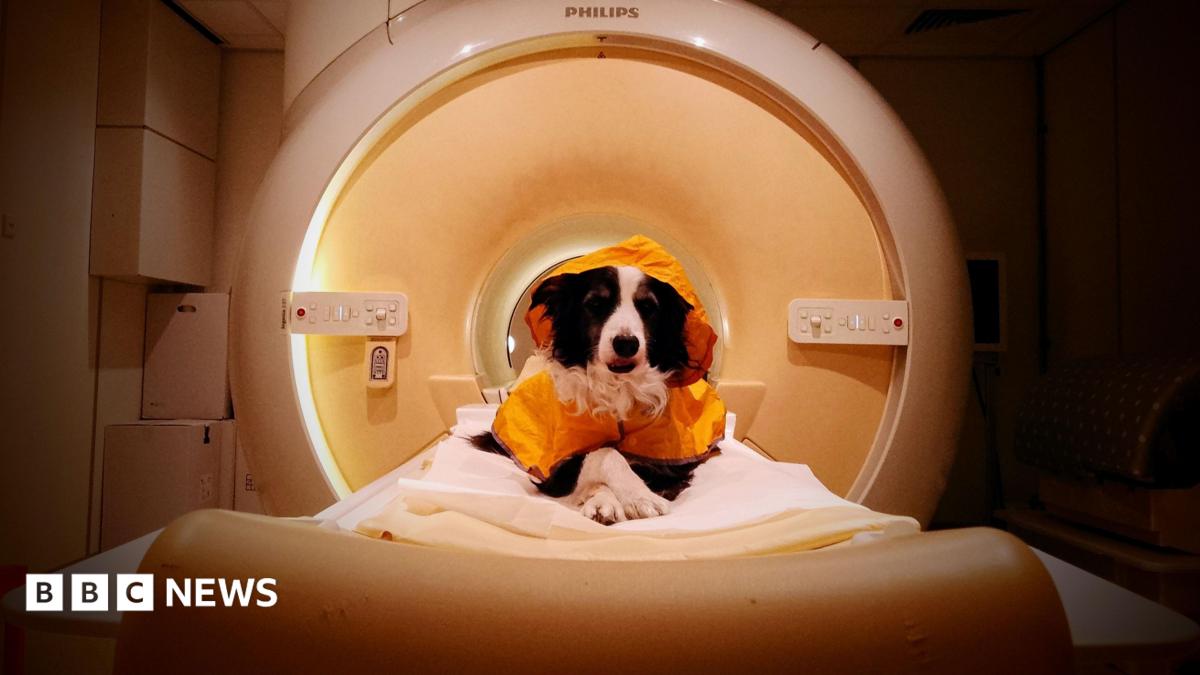
New Scientific Study Examines How Dogs Respond to Human Facial Expressions
A recent scientific study has investigated the neurological responses of dogs when they observe human facial expressions. Researchers sought to determine how canine brains process visual cues like smiling or scowling.
A new study has provided insights into how dogs interpret human emotions through facial expressions. By monitoring brain activity, researchers aimed to understand the internal processing that occurs when a dog encounters a human who is smiling or scowling. The study suggests that dogs are not merely observing these expressions but are actively processing the emotional context behind them.
While the study highlights the connection between human behavior and canine cognition, it remains a preliminary look at a complex area of animal behavior. The research indicates that dogs may have evolved specific cognitive mechanisms to better communicate with humans over thousands of years of domestication. By analyzing how different expressions trigger specific neural pathways, scientists hope to gain a clearer picture of the depth of the human-dog bond. The findings contribute to a growing body of research focused on interspecies communication and the ways in which domestic animals have adapted to social cues in their environment.
📡 Media Analysis
How each outlet framed the story — angles, word choices, and what they chose to push or ignore.
Presented the study as a straightforward scientific discovery about human-dog interaction.
"what is going on inside a dog's brain"
🔍 What Nobody's Reporting
- ·The specific methodology or sample size of the study was not provided.
- ·The study's peer-review status and publication venue are missing.
- ·Potential limitations of the study, such as breed-specific differences, were not addressed.
📰 Sources
1 A-rated source(s) among 1 total. Lowest trust: BBC News (A)