
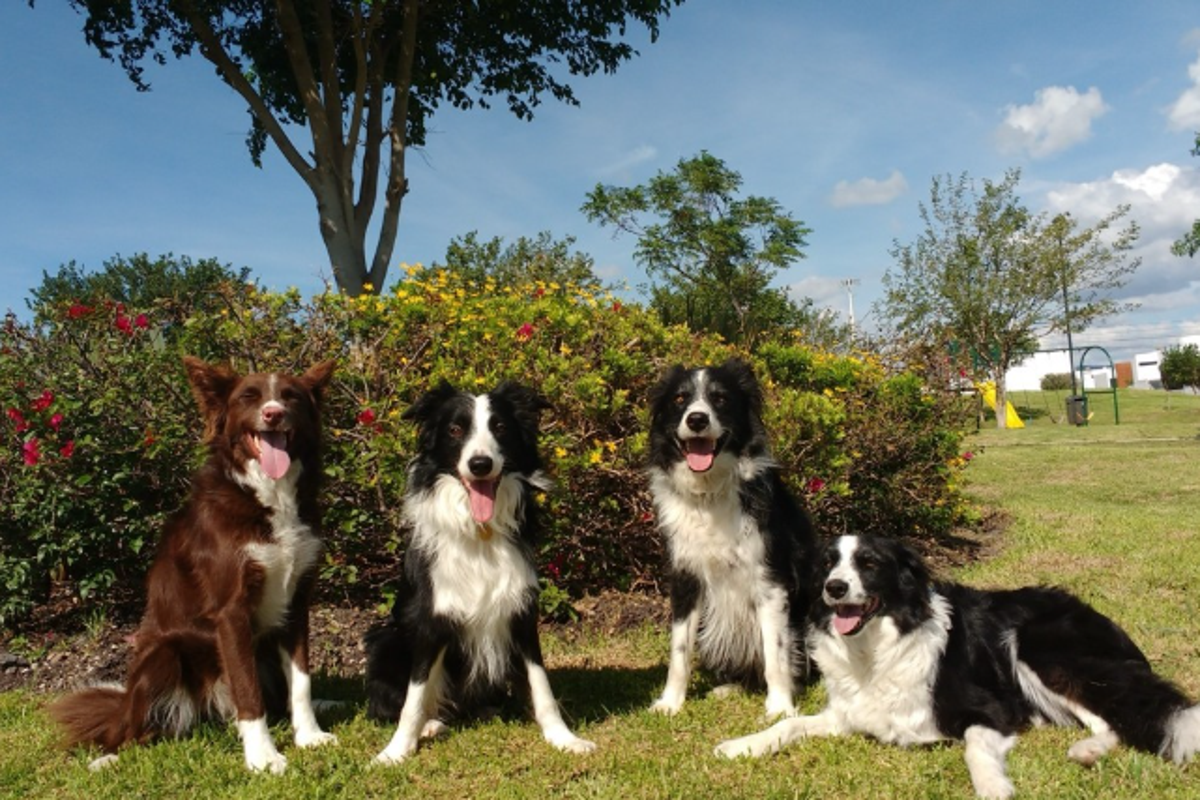
New Study Finds Dogs Can Distinguish Between Human Facial Expressions
Recent neuroimaging research indicates that dogs possess the ability to recognize and process distinct human facial expressions. The study suggests that canine brains respond differently to happy and fearful faces.
A recent scientific study has provided evidence that dogs are capable of interpreting human facial expressions, specifically distinguishing between signs of happiness and fear. Researchers utilized brain scans to observe how canine subjects reacted when presented with images of human faces displaying different emotions. The findings suggest that dogs do not merely react to human presence but are cognitively processing the emotional intent behind facial cues.
While the study confirms that dogs can differentiate between these expressions, it does not fully explain the evolutionary or learned mechanisms behind this behavior. Some researchers suggest this ability is a byproduct of thousands of years of domestication, which forced dogs to adapt to human social signals to survive. Others note that while the brain activity is measurable, it remains unclear how much of this recognition is innate versus learned through daily interaction with owners. The study highlights the sophisticated level of communication that exists between humans and their canine companions, suggesting that dogs are more attuned to human emotional states than previously understood by some behavioral scientists.
📡 Media Analysis
How each outlet framed the story — angles, word choices, and what they chose to push or ignore.
Focused on the scientific discovery of canine emotional intelligence.
"interpret different facial expressions"
⚡ Where Sources Disagree
- ·The extent to which this ability is innate versus learned through domestication.
🔍 What Nobody's Reporting
- ·Lack of information regarding the sample size of the study.
- ·No mention of whether the dogs were trained to recognize these expressions or if it was a spontaneous reaction.
📰 Sources
0 A-rated source(s) among 1 total. Lowest trust: The Independent (B)