
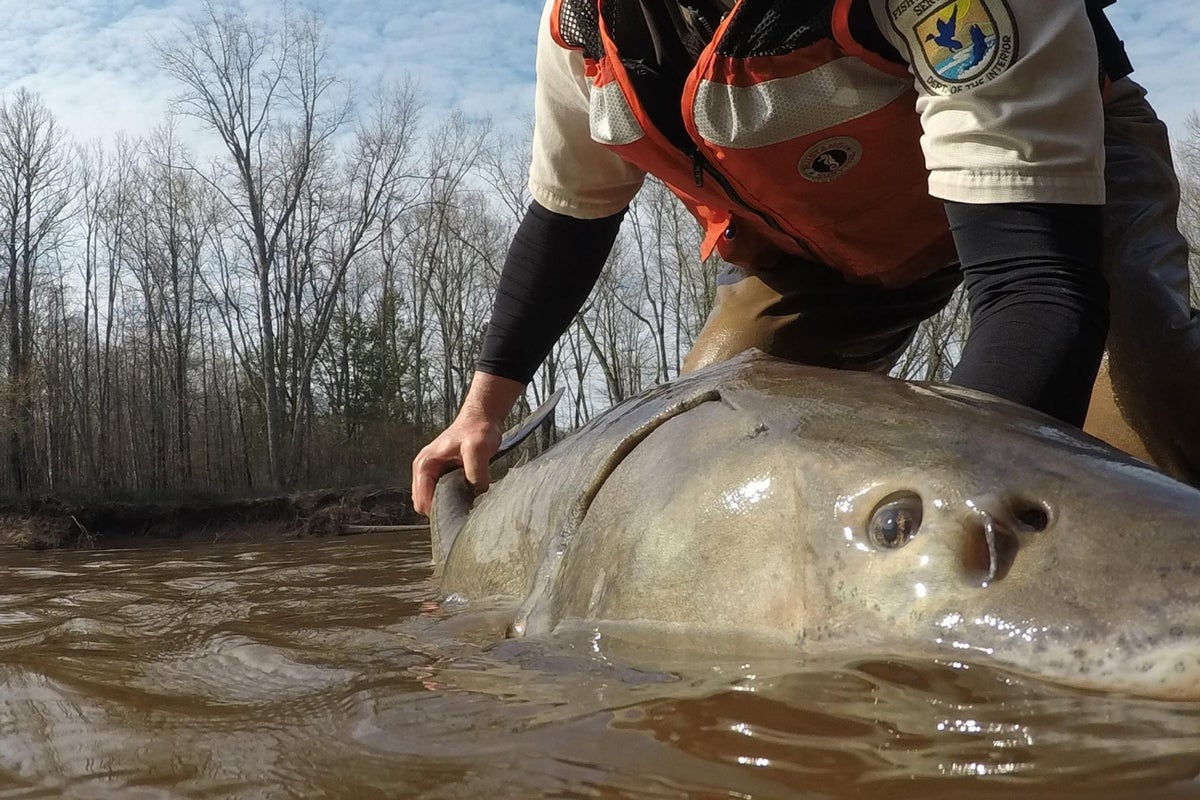
New study suggests some Great Lakes fish may live up to 400 years
A recent scientific study indicates that certain fish species in the Great Lakes may have significantly longer lifespans than previously estimated. Researchers now suggest these fish could live for up to 400 years, far exceeding the prior 150-year estimate.
A new scientific analysis has revised the estimated life expectancy of specific fish species inhabiting the Great Lakes. While previous research had established a maximum lifespan of approximately 150 years for these animals, often referred to as 'living dinosaurs,' the latest findings suggest these fish are capable of living for up to 400 years.
The study challenges long-standing biological assumptions regarding the longevity of these aquatic species. By re-evaluating growth patterns and environmental factors, researchers have concluded that the fish are much older than earlier models indicated. This discovery provides new insight into the ecological history of the Great Lakes and the resilience of the species living within them.
While the study offers a significant update to existing biological data, it does not detail the specific methodology used to reach the 400-year figure, nor does it address how climate change or human activity in the Great Lakes might impact such long-lived populations. The findings represent a major shift in how scientists view the aging process of these particular fish, moving the upper bound of their potential lifespan by over two centuries.
📡 Media Analysis
How each outlet framed the story — angles, word choices, and what they chose to push or ignore.
Highlighted the surprising nature of the longevity discovery using evocative language.
"living dinosaur"
🔍 What Nobody's Reporting
- ·Lack of specific scientific methodology or peer-reviewed citation for the 400-year claim.
- ·No discussion of environmental or human-made threats to these long-lived species.
📰 Sources
0 A-rated source(s) among 1 total. Lowest trust: The Independent (B)