
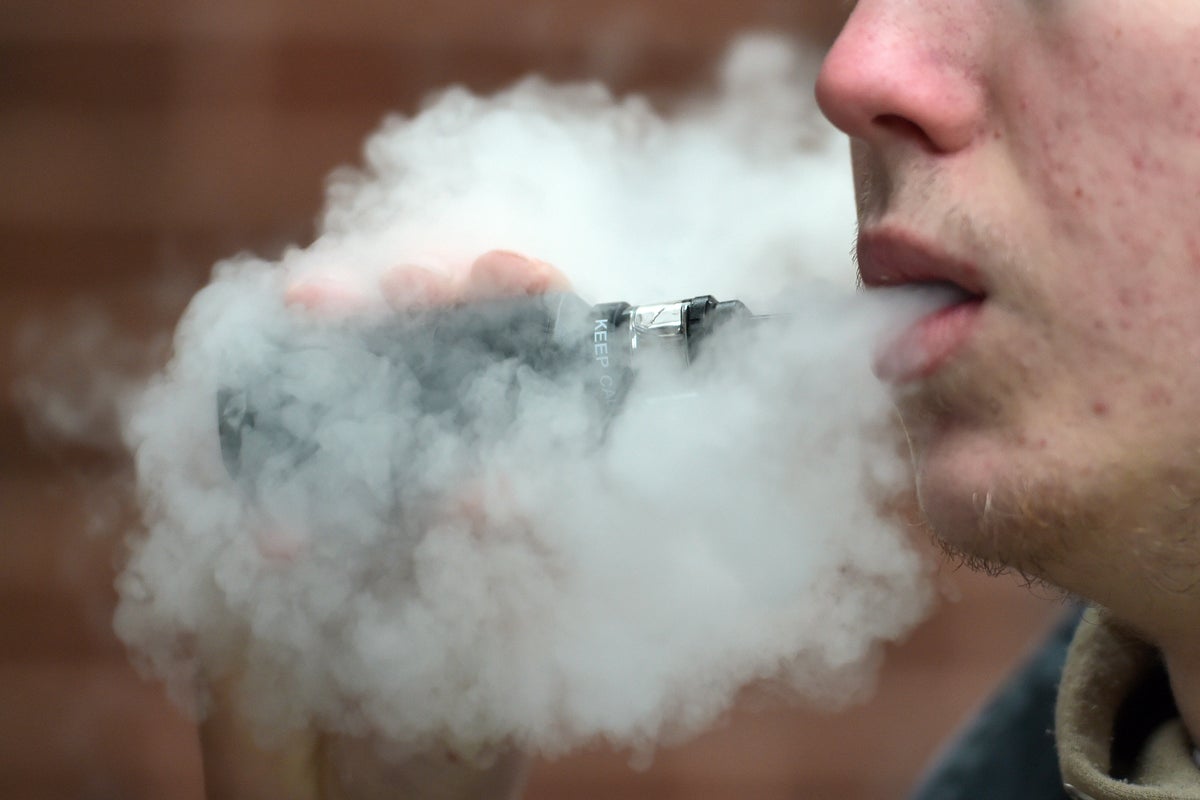
New Study Suggests Vaping May Increase Success Rates for Smoking Cessation
A recent study indicates that individuals who use vaping products are 61% more likely to successfully quit smoking after six months compared to those using other methods. The findings highlight a potential role for e-cigarettes in public health strategies aimed at reducing traditional tobacco use.
A new research study has concluded that vaping may be a more effective tool for smokers attempting to quit than other available alternatives. According to the data, individuals who incorporated vaping into their cessation efforts saw a 61% increase in the likelihood of successfully abstaining from traditional cigarettes over a six-month period.
While the study provides a positive outlook on the efficacy of e-cigarettes as a smoking cessation aid, it focuses primarily on the statistical success rates of quit attempts. The research does not extensively compare these results against the long-term health implications of vaping itself, nor does it address the ongoing debate regarding the regulation of nicotine-based products. Because this report relies on a single study, it offers a narrow view of the complex landscape surrounding tobacco harm reduction. The findings suggest that for some smokers, vaping serves as a viable bridge to quitting, though medical professionals often emphasize that the best health outcome remains the cessation of all inhaled nicotine products.
📡 Media Analysis
How each outlet framed the story — angles, word choices, and what they chose to push or ignore.
Highlighted the positive statistical outcome of the study while omitting potential health risks or regulatory controversy.
"61% increased odds"
🔍 What Nobody's Reporting
- ·Lack of information regarding the long-term health risks of vaping compared to smoking.
- ·Absence of context regarding the regulatory status or safety concerns of e-cigarette products.
- ·No mention of potential nicotine addiction transfer from cigarettes to vapes.
📰 Sources
0 A-rated source(s) among 1 total. Lowest trust: The Independent (B)