
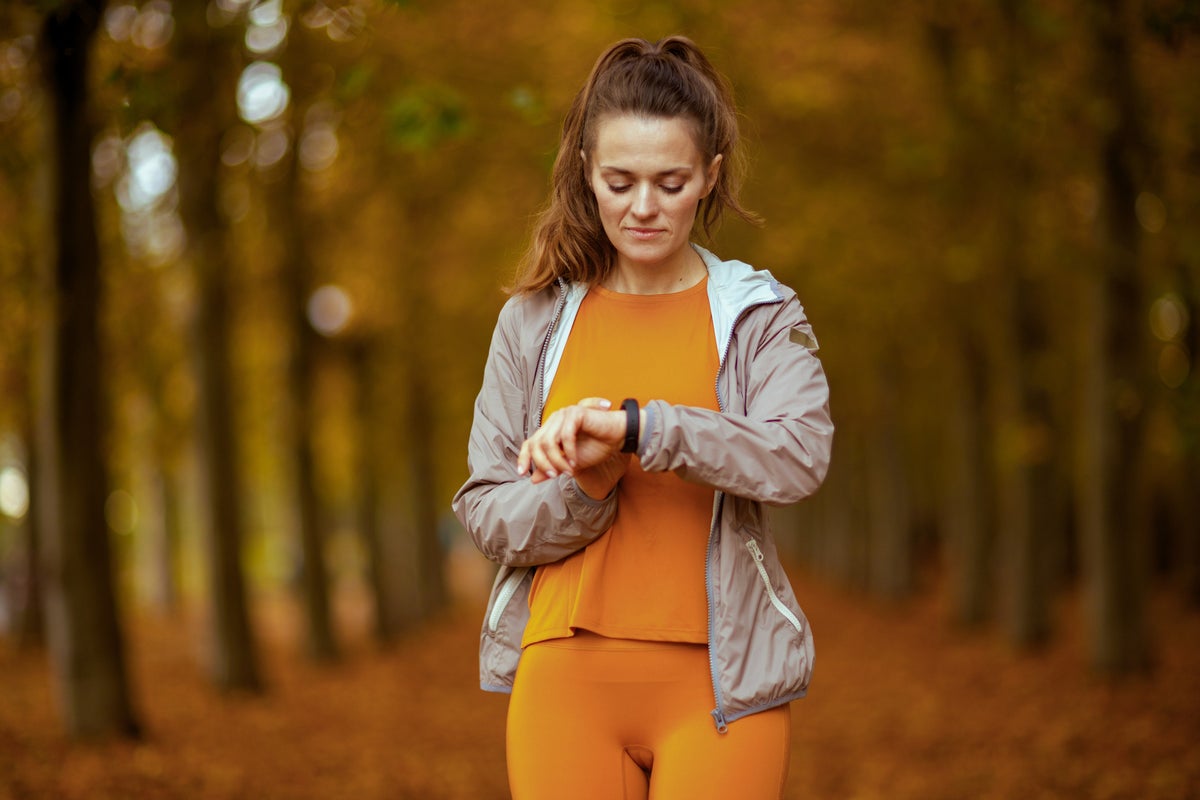
New Study Suggests Walking Intensity May Outweigh Total Daily Step Count
Recent research indicates that the intensity of walking may be more significant for health outcomes than hitting the traditional 10,000-step daily goal. The findings suggest that focusing on the pace of movement could offer greater benefits than total step volume alone.
A new study has challenged the long-standing health recommendation that individuals should aim for 10,000 steps per day to maintain optimal fitness. While the 10,000-step benchmark has been a popular metric for physical activity for years, researchers are now suggesting that the intensity of a walk plays a more critical role in health benefits than the total number of steps taken.
The study highlights that how a person walks—specifically the speed and effort involved—can be a more accurate predictor of positive health outcomes. By shifting the focus from quantity to quality, the researchers argue that individuals might achieve better results in less time. This perspective suggests that a shorter, more vigorous walk could potentially be more beneficial than a longer, leisurely stroll that reaches a higher step count.
While the study does not entirely dismiss the value of walking, it emphasizes that the traditional focus on step counting may be an oversimplification of physical activity requirements. The findings encourage people to consider incorporating more intense movement into their daily routines rather than strictly adhering to a specific numerical target. As public health guidelines continue to evolve, this research adds to a growing body of evidence suggesting that exercise quality is a vital component of a healthy lifestyle.
📡 Media Analysis
How each outlet framed the story — angles, word choices, and what they chose to push or ignore.
Framed the study as a corrective to a popular health myth to grab reader attention.
"cast new light"
⚡ Where Sources Disagree
- ·Whether the 10,000-step goal is inherently flawed or simply incomplete as a health metric.
🔍 What Nobody's Reporting
- ·Lack of specific data or metrics defining what constitutes 'intensity' in the study.
- ·Absence of comparative health outcomes between different age groups or fitness levels.
📰 Sources
0 A-rated source(s) among 1 total. Lowest trust: The Independent (B)