
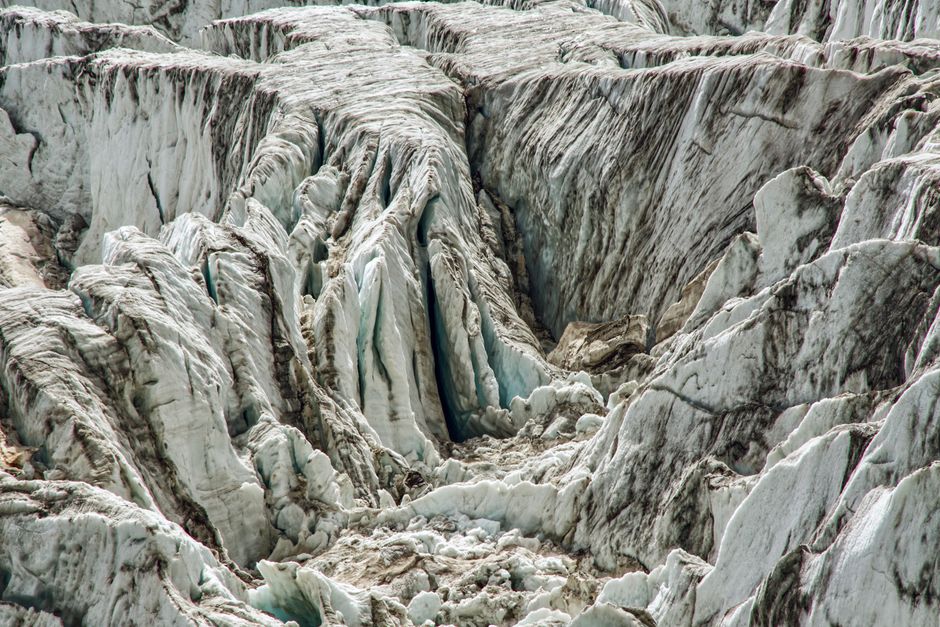
New Study Warns Rapid Himalayan Glacier Melt Endangers Regional Water Security
A recent study highlights that accelerating glacier melt in the Himalayas poses a significant threat to the water supply for millions of people. This report follows a late August incident where a glacier collapse triggered destructive landslides and flooding in the Nepal-Tibet border region.
Scientific research has identified a growing crisis in the Himalayas, where rising temperatures are causing glaciers to melt at an unprecedented rate. This trend threatens the long-term water security of millions of people who rely on these glacial systems for agriculture, energy, and daily consumption. The instability of these ice formations has become a focal point for climate researchers following a major event in late August.
During that incident, a Himalayan glacier collapsed along the border between Nepal and Tibet. The collapse resulted in a series of cascading landslides and flash floods that impacted the valleys situated below. While the immediate physical damage was localized to the surrounding valleys, the event serves as a primary example of the broader risks associated with glacial retreat in the region.
Experts emphasize that the combination of rapid melting and sudden structural failures creates a dual threat: the long-term depletion of essential water resources and the immediate danger of catastrophic flooding. The study underscores the necessity for improved monitoring and disaster preparedness in high-altitude communities that are increasingly vulnerable to these environmental shifts. As the climate continues to warm, the frequency of such glacial events remains a significant concern for regional stability and infrastructure safety.
📡 Media Analysis
How each outlet framed the story — angles, word choices, and what they chose to push or ignore.
Focused on the immediate disaster as a case study for the broader climate threat.
"cascading landslides"
🔍 What Nobody's Reporting
- ·Lack of specific data regarding the exact number of people currently affected by water insecurity.
- ·Absence of proposed policy solutions or mitigation strategies from regional governments.
📰 Sources
0 A-rated source(s) among 1 total. Lowest trust: NDTV (B)