
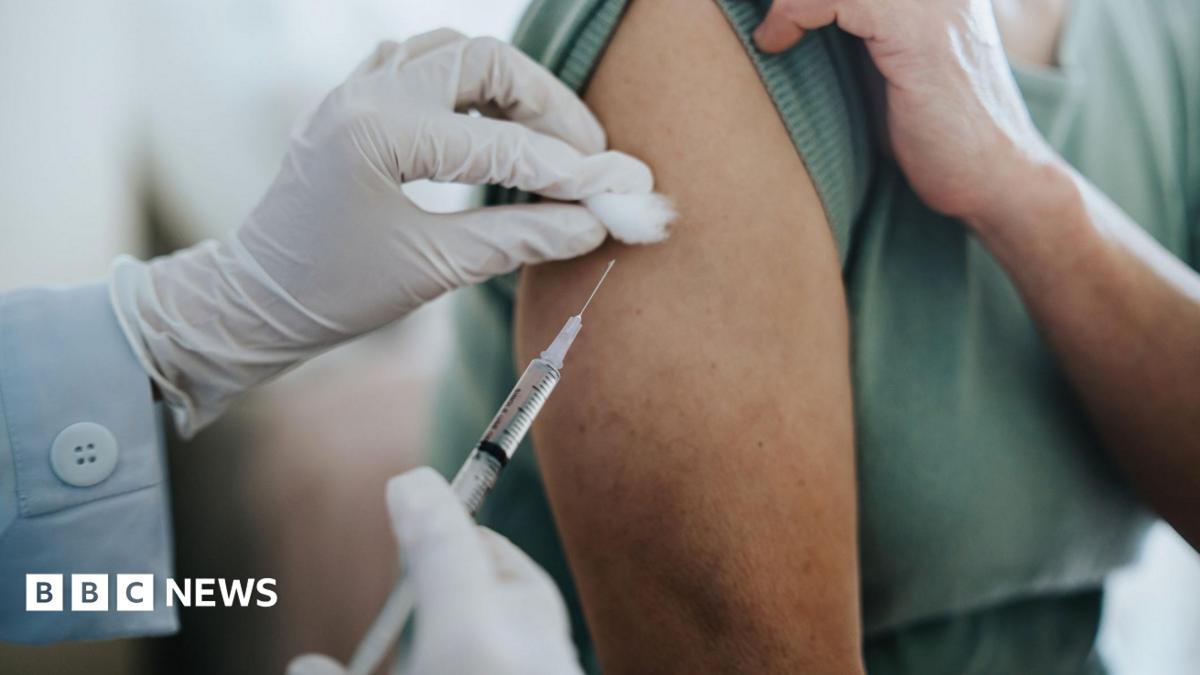
New vaccine trial shows promise in preventing cancer recurrence
A clinical trial for a new vaccine has successfully extended the period during which patients remain cancer-free. While the results are encouraging, researchers note that the long-term duration of this protection remains unknown.
A recent medical trial has yielded positive results for a new vaccine designed to prevent the return of cancer in patients. The treatment aims to prime the immune system to recognize and eliminate residual cancer cells that might otherwise lead to a relapse. According to the initial findings, participants who received the vaccine experienced a longer duration of time without the disease returning compared to those who did not receive the treatment.
While the medical community views these results as a significant step forward, experts caution that the data is still in the early stages. The primary uncertainty surrounding the breakthrough is the longevity of the protection; it is currently unclear how long the vaccine’s effects will last or whether it will provide permanent immunity against recurrence. Further long-term studies are required to determine the vaccine's overall efficacy and safety profile across different types of cancer. The trial represents a growing trend in immunotherapy, where researchers are increasingly focusing on personalized vaccines to manage and prevent various forms of malignancy. As the study progresses, scientists hope to establish whether this approach can be scaled for broader clinical use.
📡 Media Analysis
How each outlet framed the story — angles, word choices, and what they chose to push or ignore.
Focused on the core medical development while maintaining a cautious tone regarding long-term results.
"it is unclear for how long"
🔍 What Nobody's Reporting
- ·Lack of specific data regarding the type of cancer treated in the trial.
- ·No mention of the sample size or the specific demographic of the participants.
- ·Absence of information regarding potential side effects or adverse reactions.
📰 Sources
1 A-rated source(s) among 1 total. Lowest trust: BBC News (A)