
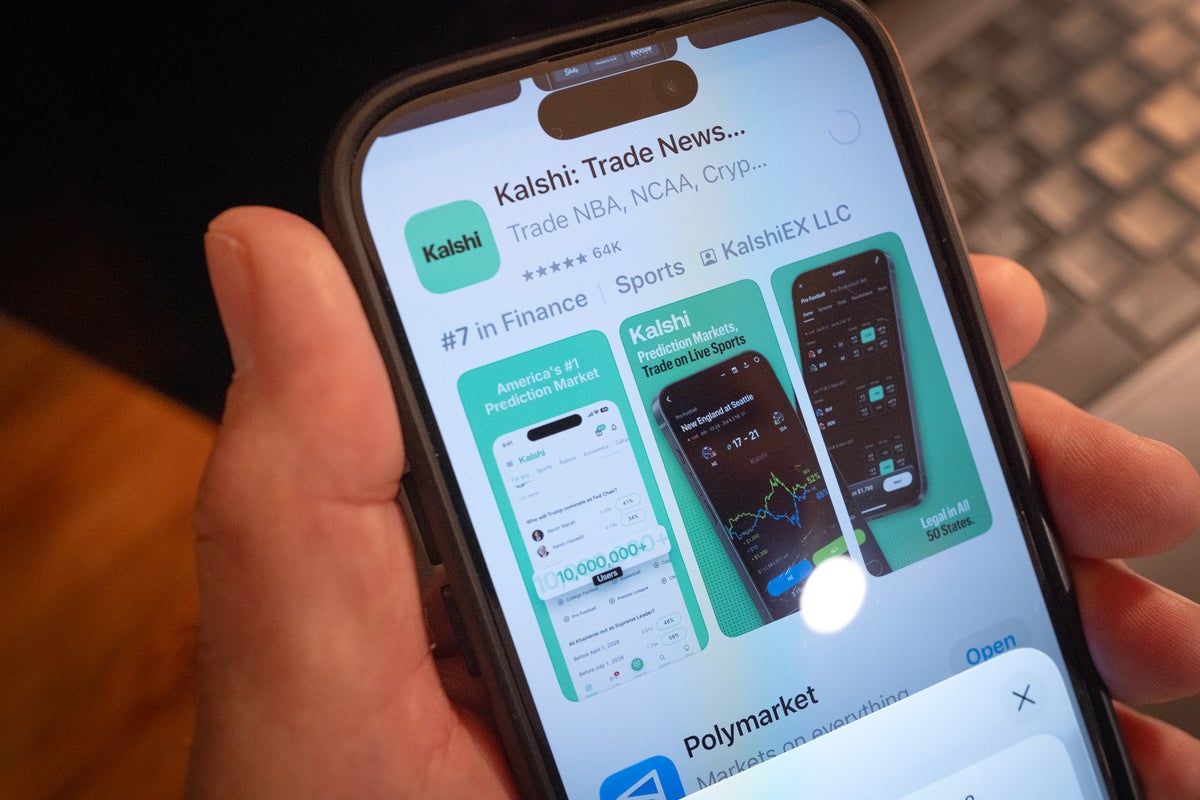
New York State Files Lawsuit Against Prediction Market Platform Kalshi
New York regulators have initiated legal action against Kalshi, classifying the platform as an illegal gambling operation. This move is part of a broader effort by state authorities to challenge the legality of prediction market operators.
The state of New York has officially filed a lawsuit against Kalshi, a platform that allows users to trade contracts based on the outcomes of future events, such as political elections or economic indicators. Regulators in New York argue that the platform functions as an unlicensed and illegal gambling operation, asserting that the contracts offered to users are essentially bets rather than financial instruments.
This legal challenge is part of a growing trend where state authorities are scrutinizing the rapidly expanding prediction market industry. Similar platforms, including Polymarket, are also facing increased pressure as regulators attempt to determine whether these services fall under existing gambling statutes or should be regulated as financial exchanges. While Kalshi has maintained that its operations are distinct from traditional gambling and provide valuable data for market participants, the New York lawsuit seeks to halt its activities within the state. The case highlights a significant regulatory friction point between emerging fintech platforms and state-level oversight bodies that are struggling to categorize new types of digital betting and forecasting services.
📡 Media Analysis
How each outlet framed the story — angles, word choices, and what they chose to push or ignore.
Framed the lawsuit as part of a wider, inevitable crackdown on a controversial industry.
"tangle of lawsuits"
⚡ Where Sources Disagree
- ·Whether prediction markets constitute financial trading or illegal gambling.
🔍 What Nobody's Reporting
- ·The specific legal arguments or statutes cited by Kalshi in their defense.
- ·The potential impact of this lawsuit on federal versus state regulatory authority.
📰 Sources
0 A-rated source(s) among 1 total. Lowest trust: The Independent (B)