
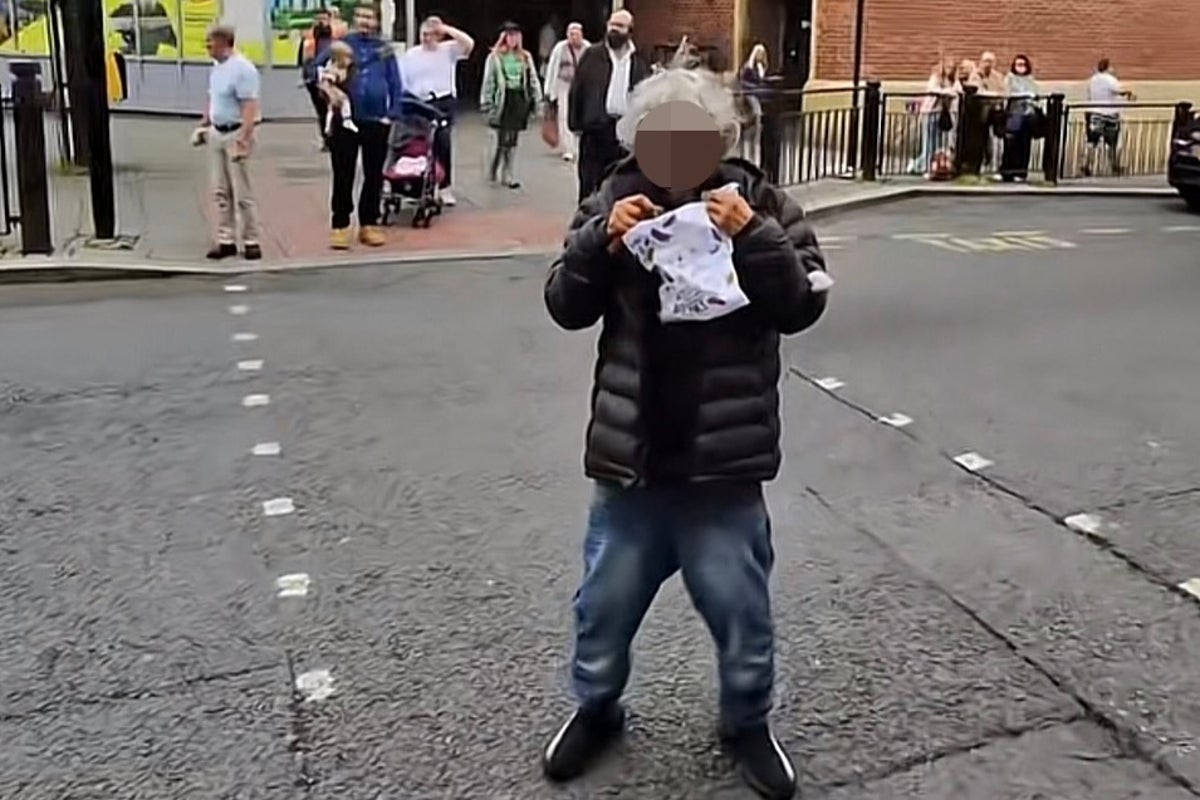
Newcastle City Council moves to restrict social media 'auditors' targeting vulnerable individuals
Newcastle City Council is seeking government intervention to address social media creators who film vulnerable people in public spaces for online content. Officials argue these 'auditors' are exploiting individuals for views, prompting a push for stricter regulations.
Newcastle City Council has initiated a crackdown on a growing trend of social media creators, often referred to as 'auditors,' who film interactions with vulnerable people in city centers. These creators frequently post the footage to platforms where the videos can garner millions of views. Local officials argue that this practice constitutes the ruthless exploitation of individuals who may not be in a position to consent to being filmed or broadcast to a global audience.
The council is now calling on the UK government to establish clearer legal boundaries to protect the public from this behavior. While these creators often frame their activities as a form of citizen journalism or a test of public transparency, the council maintains that the primary motivation is financial gain through viral engagement. The local authority is seeking legislative support to 'draw a line' regarding what is permissible when filming in public spaces, particularly when the subjects are identified as vulnerable. As of now, the debate centers on the tension between the right to film in public and the right of individuals to be protected from harassment or unwanted digital exposure.
📡 Media Analysis
How each outlet framed the story — angles, word choices, and what they chose to push or ignore.
Framed the issue as a moral crisis of exploitation requiring urgent government intervention.
"ruthlessly exploiting"
✓ Only outlet to report: Identified Newcastle City Council as the specific local authority leading the push for new regulations.
⚡ Where Sources Disagree
- ·Whether the creators are performing a public service (auditing) or engaging in harassment.
🔍 What Nobody's Reporting
- ·Lack of comment or defense from the social media creators themselves.
- ·Absence of specific legal precedents or current laws that the council believes are failing to address the issue.
📰 Sources
0 A-rated source(s) among 1 total. Lowest trust: The Independent (B)