
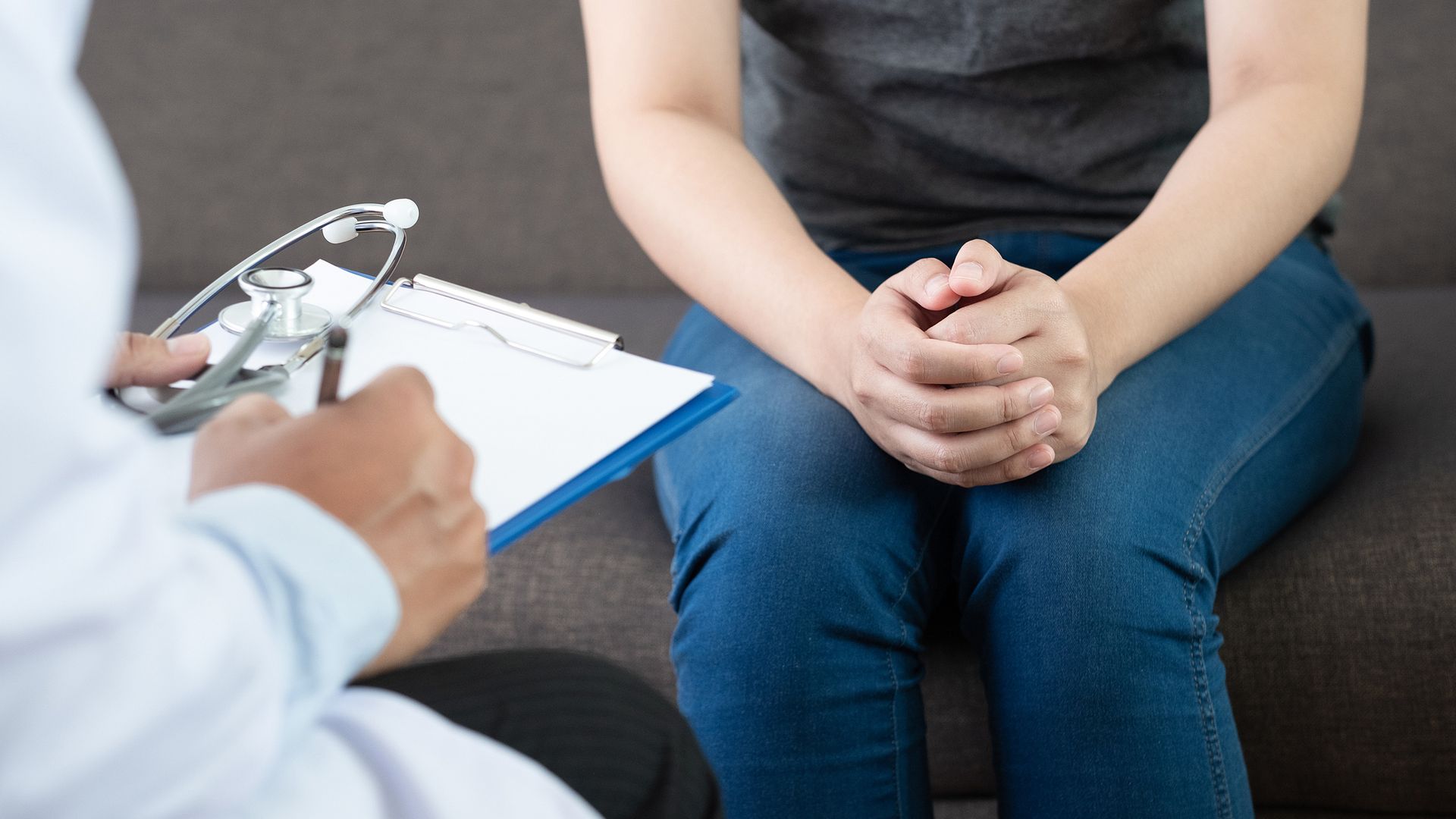
NHS England to Offer At-Home Cervical Screening Kits to Millions
NHS England is launching a new initiative allowing women who have missed their cervical screening appointments to order testing kits for home use. The program aims to increase participation rates in preventative health screenings.
NHS England has announced a new public health initiative designed to reach millions of women who are currently overdue for their cervical screening appointments. Under the new program, these individuals will be invited to order at-home testing kits, allowing them to collect samples themselves rather than visiting a clinic or GP surgery.
The initiative is part of a broader strategy to improve screening uptake, which has seen a decline in recent years. By removing the requirement for an in-person appointment, health officials hope to reduce barriers such as time constraints, anxiety, or difficulty accessing local clinics. The kits will be sent directly to the homes of eligible women, who will then return the samples by mail for laboratory analysis.
While the core facts of the rollout are consistent across reports, the initiative is being framed by health authorities as a vital step in early cancer detection. The program focuses specifically on those who have not responded to previous invitations for traditional screenings. The NHS has not yet provided a specific timeline for when all eligible women will receive their invitations, nor have they detailed the specific criteria for who qualifies for the home-testing option versus those who may still be required to attend a clinical setting for follow-up care.
📡 Media Analysis
How each outlet framed the story — angles, word choices, and what they chose to push or ignore.
Focused on the logistical rollout of the new health service without questioning the efficacy or potential drawbacks of home testing.
"invited to order"
🔍 What Nobody's Reporting
- ·Lack of information regarding the accuracy rates of at-home kits compared to clinical screenings.
- ·No mention of the potential for false negatives or the protocol for follow-up if a home test returns an abnormal result.
📰 Sources
0 A-rated source(s) among 1 total. Lowest trust: Sky News UK (B)