
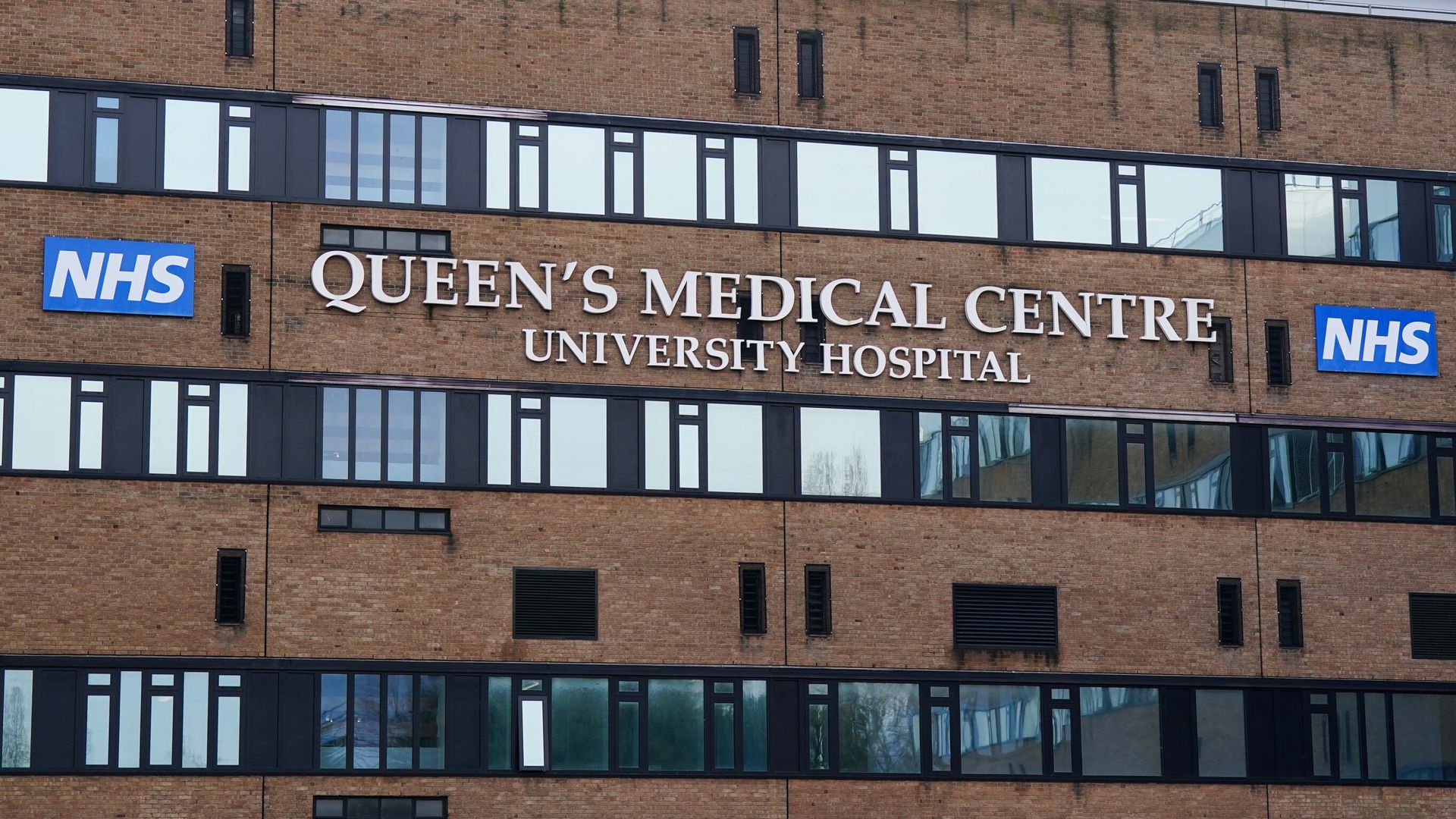
NHS Trust Ends Critical Incident Status as A&E Pressures Ease Slightly
A UK NHS Trust has officially ended a critical incident declaration following a notable decline in A&E patient volumes. Despite the downgrade, hospital leadership continues to advise the public that significant wait times remain a concern.
An NHS Trust has formally concluded a critical incident status that had been in effect due to extreme pressure on emergency services. The decision to stand down the incident was prompted by a significant reduction in the number of patients waiting for assessment in the Accident and Emergency (A&E) department.
While the operational status has returned to a more standard level, hospital administrators have issued a cautionary note to the public. They emphasize that the end of the critical incident does not signal a return to normal service capacity or wait times. Patients are still being warned to expect long waits when seeking emergency care, suggesting that the underlying systemic pressures that necessitated the initial declaration remain largely unresolved.
The trust has not provided specific data regarding the exact number of patients currently waiting or the average duration of those waits, but the ongoing warnings indicate that the facility remains under considerable strain. The situation highlights the broader, persistent challenges facing the National Health Service in managing patient flow and resource allocation during periods of high demand.
📡 Media Analysis
How each outlet framed the story — angles, word choices, and what they chose to push or ignore.
Focused on the immediate operational status change while highlighting the persistent reality of hospital delays.
"dropped significantly"
🔍 What Nobody's Reporting
- ·Lack of specific data regarding the duration of the critical incident.
- ·Absence of comment from patient advocacy groups or local health unions regarding the impact of these delays.
📰 Sources
0 A-rated source(s) among 1 total. Lowest trust: Sky News UK (B)