
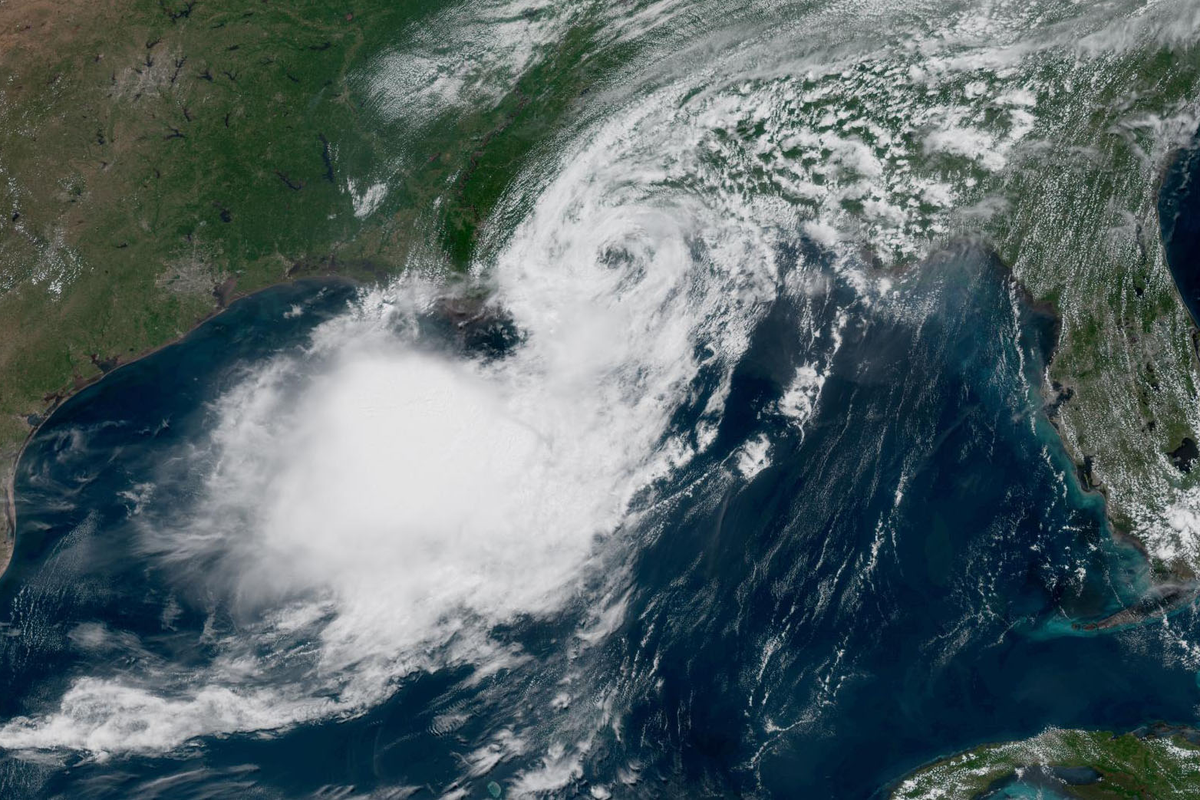
NOAA Forecasts Quiet Atlantic Hurricane Season Amidst El Niño Pattern
NOAA scientists have released their seasonal hurricane outlook, predicting a below-average number of storms for the Atlantic basin. Conversely, the Pacific region is expected to experience more active weather conditions due to the influence of El Niño.
The National Oceanic and Atmospheric Administration (NOAA) has issued its latest hurricane season forecast, indicating a shift in expected storm activity across different ocean basins. According to agency scientists, the Atlantic is likely to see a quieter season than in recent years, a trend they attribute primarily to the development of the El Niño climate pattern. El Niño typically creates wind shear conditions in the Atlantic that can disrupt the formation and intensification of tropical cyclones.
While the Atlantic forecast suggests a reprieve, the outlook for the Pacific tells a different story. NOAA experts predict that the same El Niño conditions will likely fuel more active weather in the Pacific basin. This contrast highlights the complex, global nature of climate patterns and their varying impacts on regional weather systems. The agency emphasizes that while a 'quiet' season is predicted for the Atlantic, residents in coastal areas should remain prepared, as even a single storm can have significant impacts regardless of the seasonal outlook. The report serves as a baseline for emergency management planning, though meteorologists note that seasonal forecasts are probabilistic and can be influenced by rapidly changing atmospheric variables throughout the summer and autumn months.
📡 Media Analysis
How each outlet framed the story — angles, word choices, and what they chose to push or ignore.
Framed the forecast as a direct consequence of climate-driven weather patterns.
"The Pacific won’t be as lucky"
✓ Only outlet to report: Explicitly linked the forecast outcomes to the El Niño weather pattern as the primary driver.
🔍 What Nobody's Reporting
- ·Lack of specific numerical data or probability percentages regarding the storm counts.
- ·Absence of historical context comparing this year's El Niño strength to previous cycles.
📰 Sources
0 A-rated source(s) among 1 total. Lowest trust: The Independent (B)