
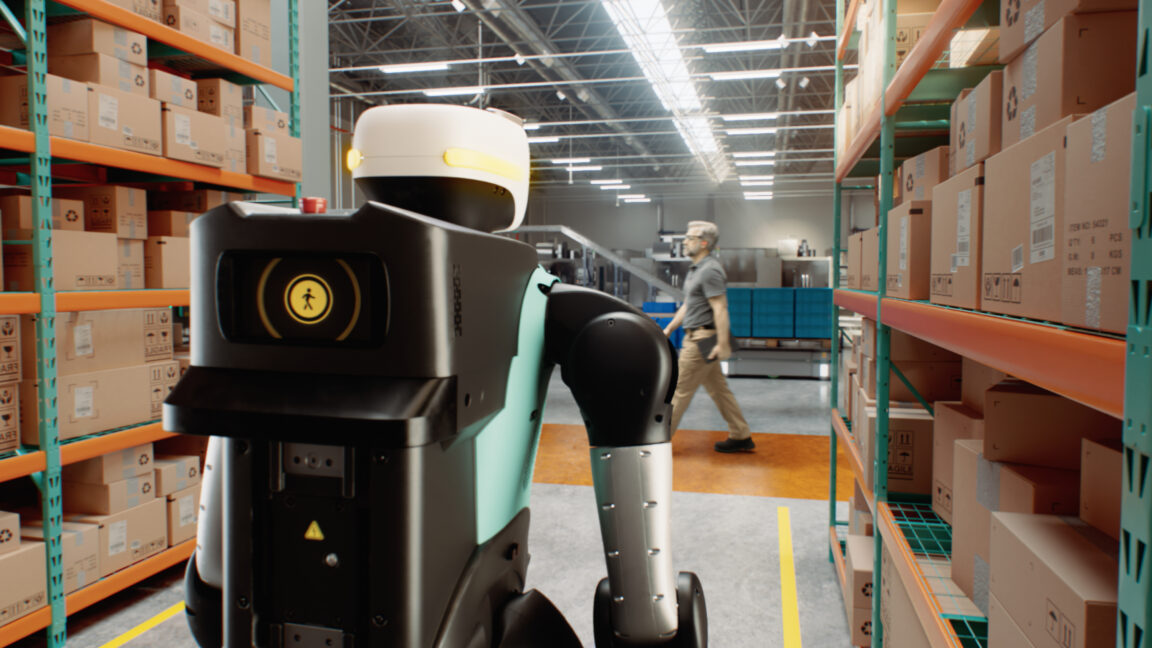
Nvidia Announces New Physical AI Safety Platform for Robotics and Autonomous Vehicles
Nvidia has introduced a comprehensive safety software suite designed to improve the reliability of physical AI systems, including robotaxis and humanoid robots. The platform aims to provide a standardized framework for robotics companies to test and deploy safer autonomous technologies.
Nvidia has officially launched a new full-stack safety solution specifically engineered for physical AI, marking a significant step in the company's expansion into robotics and autonomous vehicle infrastructure. The platform is designed to address the complex challenges of real-world deployment, where AI systems must interact with unpredictable physical environments. By providing a unified software architecture, Nvidia intends to help robotics developers integrate safety protocols more effectively, potentially reducing the risks associated with autonomous navigation and mechanical operation.
This initiative is primarily targeted at companies currently developing robotaxis and humanoid robots, sectors where safety failures can have severe consequences. While the technology is still in its early stages of widespread adoption, Nvidia’s move signals a shift toward prioritizing standardized safety benchmarks in the AI industry. The company suggests that this framework will allow for more rigorous simulation and testing before machines are deployed in public spaces. As the industry continues to grapple with the ethical and technical hurdles of automation, Nvidia’s entry into the safety software market represents a strategic effort to become the foundational layer for future physical AI applications.
📡 Media Analysis
How each outlet framed the story — angles, word choices, and what they chose to push or ignore.
Focused on the technical utility of the new software for industry developers.
"full-stack safety solution"
✓ Only outlet to report: Identified the specific target market as both robotaxis and humanoid robots.
🔍 What Nobody's Reporting
- ·Lack of independent expert analysis on the efficacy of the safety claims.
- ·No mention of potential regulatory hurdles or government oversight regarding these safety standards.
📰 Sources
1 A-rated source(s) among 1 total. Lowest trust: Ars Technica (A)