
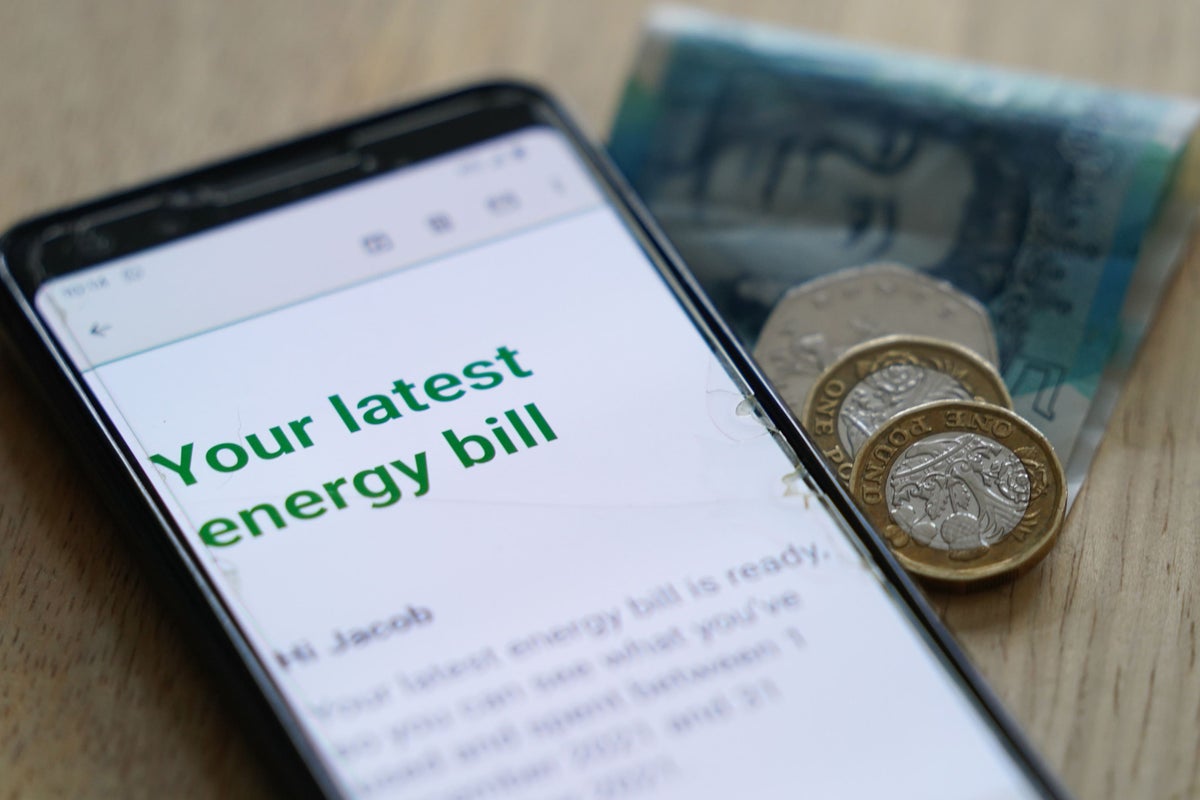
Ofgem Announces 4% Increase to Energy Price Cap Starting October
UK energy regulator Ofgem has confirmed that the energy price cap will increase by 4%, or £60 annually, beginning October 1. The adjustment brings the typical household energy bill to £1,723 per year.
Market Narrative Detected
The narrative suggests that energy costs are an unavoidable burden on the public, which benefits utility companies by normalizing regular price increases as a standard market function. This framing shifts the focus away from corporate profitability and onto the inevitability of global market forces.
The UK energy regulator, Ofgem, has officially announced a rise in the energy price cap, which will take effect on October 1. The cap is set to increase by 4%, representing an additional £60 per year for the average household, bringing the total annual cost to £1,723. This change follows periodic reviews conducted by the regulator to reflect the wholesale cost of energy.
Greater Manchester Mayor Andy Burnham has publicly commented on the development, describing the rising costs as "difficult" for the public. The increase comes as many households continue to manage the broader effects of inflation and cost-of-living pressures. While the price cap is intended to limit the amount suppliers can charge per unit of energy, the rise reflects ongoing volatility in global energy markets.
There is currently no indication of additional government support packages to offset this specific £60 increase, leaving many consumer advocacy groups concerned about the impact on lower-income families as the winter months approach. The regulator maintains that the cap is necessary to balance the financial stability of energy suppliers with the protection of consumers against extreme price spikes.
📡 Media Analysis
How each outlet framed the story — angles, word choices, and what they chose to push or ignore.
Framed the price hike through the lens of political concern for the public's financial struggle.
"‘difficult’ for people"
🔍 What Nobody's Reporting
- ·Lack of detail on why wholesale costs necessitate this specific increase.
- ·Absence of comment from energy suppliers regarding their profit margins or operational costs.
- ·No mention of potential government mitigation strategies or lack thereof.
📰 Sources
0 A-rated source(s) among 1 total. Lowest trust: The Independent (B)