
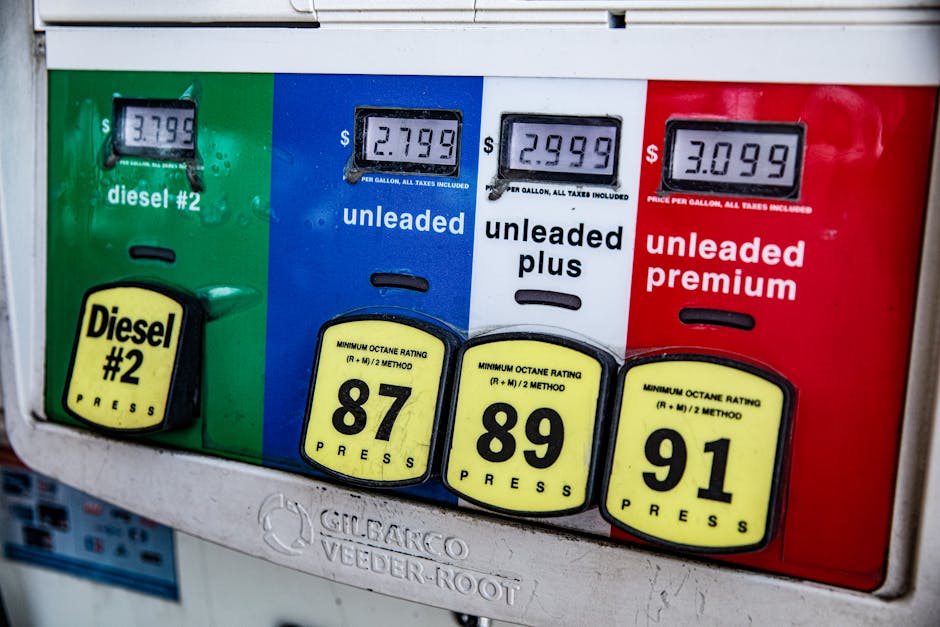
Oil Prices Rise Following US Threats of Indefinite Iranian Blockade
Global oil prices have seen a slight increase following reports that the United States is considering an indefinite blockade against Iran. The potential for supply chain disruptions in a major oil-producing region has triggered immediate market sensitivity.
Market Narrative Detected
The market is being told that geopolitical tension is the primary driver of energy prices, which benefits oil traders and energy companies by justifying price volatility and potential spikes. If investors believe supply is at risk, they are more likely to buy into a rising market.
Oil prices experienced a modest upward trend following reports that the United States has threatened to impose an indefinite blockade on Iran. Market analysts suggest that the potential for such a blockade creates significant uncertainty regarding the stability of oil exports from the Persian Gulf, a critical artery for global energy supplies.
While the report indicates a rise in prices, it does not provide specific data on the percentage increase or the current trading volume. The situation remains fluid, as the threat of a blockade introduces geopolitical risk premiums into the energy market. Investors are currently weighing the possibility of supply shortages against existing global demand levels. There is currently no confirmation from official Iranian government sources regarding the specific nature of the blockade or their intended response, leaving the market to react primarily to the initial reports of the US threat.
📡 Media Analysis
How each outlet framed the story — angles, word choices, and what they chose to push or ignore.
Reported the price movement as a direct reaction to geopolitical threats without additional context.
"threatens indefinite blockade"
⚡ Where Sources Disagree
- ·The extent and official status of the 'indefinite blockade' threat remain unverified by secondary sources.
🔍 What Nobody's Reporting
- ·Lack of official confirmation or statements from the US State Department or Iranian officials.
- ·Absence of data regarding the actual impact on current oil shipping routes or tanker traffic.
- ·No analysis of how much of this price movement is speculative versus based on actual supply chain changes.
📰 Sources
0 A-rated source(s) among 1 total. Lowest trust: Gold Telegraph (B)