
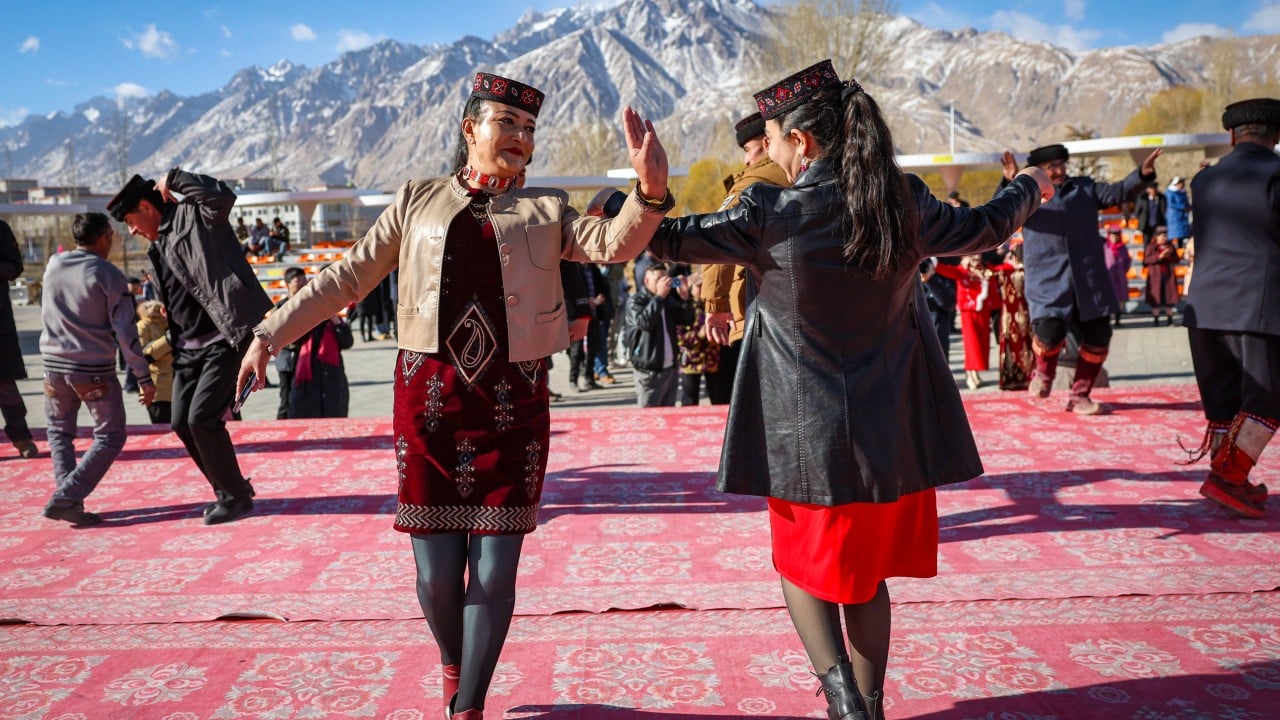
Online dispute over Xinjiang identity flares between Chinese and Turkish social media users
A social media exchange regarding the ethnic and national identity of a Uyghur woman has sparked a broader debate between Chinese and Turkish internet users. The conflict centers on differing views of Uyghur identity and its relationship to Chinese nationality.
A digital confrontation has emerged between Chinese and Turkish social media users following a viral post about the ethnic identity of a Uyghur woman. The dispute originated earlier this month when a Turkish user shared an anecdote about meeting a woman from Xinjiang, a region in China home to approximately 12 million Turkic-speaking, predominantly Muslim people.
According to the account, the Turkish user asked the woman if she identified as Turkic, to which she reportedly replied, "No, I’m Chinese." The Turkish user then publicly challenged the woman's self-identification, prompting a wave of responses from both Chinese and Turkish social media communities. The disagreement highlights deep-seated tensions regarding the cultural and political status of the Uyghur population. Chinese users have generally defended the woman’s right to identify as Chinese, emphasizing national unity and sovereignty. Conversely, many Turkish users have expressed solidarity with the Uyghur community, viewing them as part of a broader Turkic ethnic group and criticizing the Chinese government's policies in the region.
While the SCMP report notes the incident began with a specific personal encounter, it does not detail the specific arguments used by either side beyond the initial exchange. The conflict reflects a wider, ongoing geopolitical tension between Turkey and China regarding the treatment and identity of people in Xinjiang. As of now, the online discourse remains polarized, with users from both nations utilizing social media platforms to assert conflicting narratives about ethnic belonging and national loyalty.
📡 Media Analysis
How each outlet framed the story — angles, word choices, and what they chose to push or ignore.
Focused on the viral nature of the social media clash while providing minimal context on the underlying geopolitical tensions.
"War of words"
🔍 What Nobody's Reporting
- ·Lack of specific examples of the arguments used by Chinese vs. Turkish users.
- ·Absence of official government responses or statements from either nation regarding the social media trend.
📰 Sources
0 A-rated source(s) among 1 total. Lowest trust: SCMP (B)