
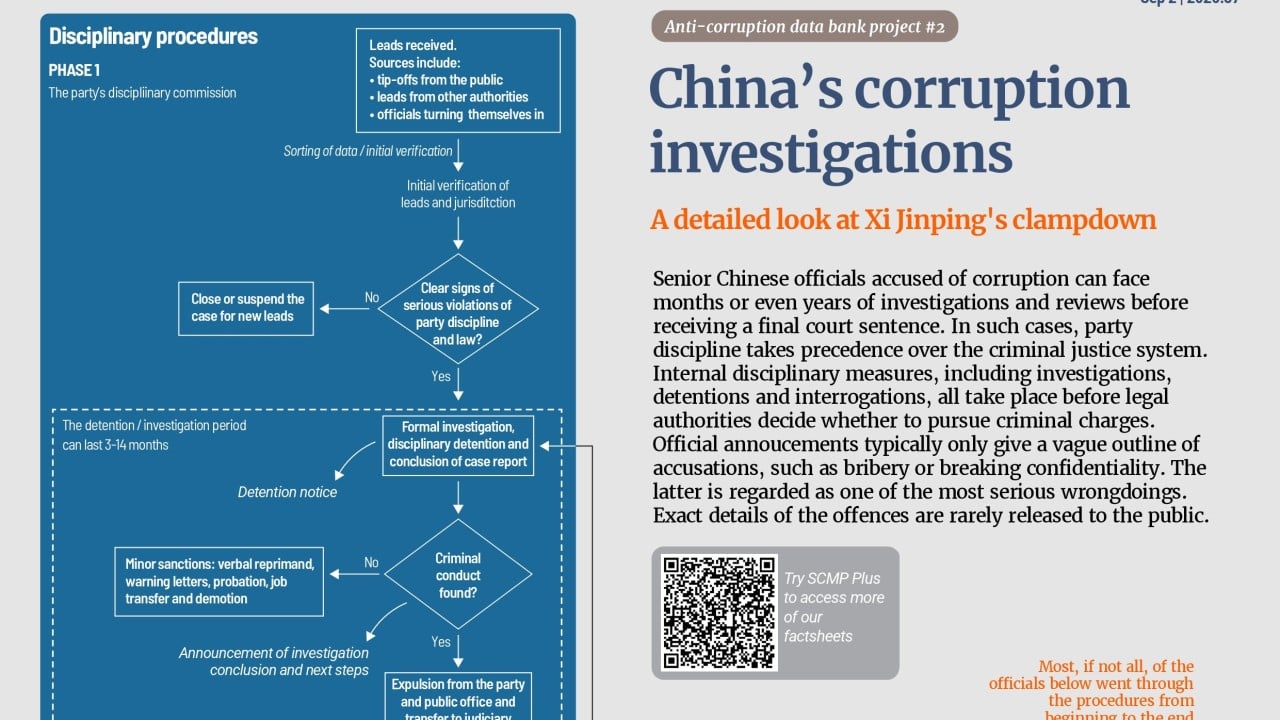
Overview of China's Anti-Corruption Investigation Procedures
China maintains a centralized anti-corruption framework that utilizes specific procedural mechanisms to investigate government and party officials. These processes are managed through specialized state and party bodies tasked with enforcing internal discipline and legal compliance.
The anti-corruption landscape in China is defined by a dual-track system involving both the Communist Party’s internal disciplinary organs and the state’s legal apparatus. At the core of this system is the National Commission of Supervision, which works in tandem with the Central Commission for Discipline Inspection (CCDI). This structure allows for the investigation of officials for both violations of party rules and breaches of national law.
Procedurally, investigations often begin with 'liuzhi,' or detention in custody, a measure that allows authorities to hold individuals for questioning without immediate access to legal counsel. While the government maintains that these procedures are essential for maintaining integrity within the bureaucracy, international observers and human rights groups have frequently raised concerns regarding the lack of transparency and the limited due process protections afforded to those under investigation. The South China Morning Post’s data projects indicate that these investigations are a central component of the current administration's governance strategy, often targeting high-ranking officials to demonstrate a commitment to party discipline.
There is a notable divide in how these procedures are interpreted. State-aligned sources emphasize the efficiency and necessity of these measures in curbing systemic graft. Conversely, external analysts often point to the potential for these procedures to be used as tools for political consolidation, noting that the opaque nature of the detention process makes it difficult to verify the fairness of the proceedings. The lack of public access to the specific evidence used in these internal investigations remains a primary point of friction between Chinese authorities and international legal observers.
📡 Media Analysis
How each outlet framed the story — angles, word choices, and what they chose to push or ignore.
Focused on providing a structured data-driven overview of the existing anti-corruption framework.
"anti-corruption data bank project"
✓ Only outlet to report: Provided a centralized data bank project for tracking anti-corruption investigations.
⚡ Where Sources Disagree
- ·Whether the investigation procedures prioritize genuine legal justice or political consolidation.
- ·The extent to which 'liuzhi' detention violates international standards of due process.
🔍 What Nobody's Reporting
- ·Lack of specific case studies or personal accounts from individuals who have undergone the investigation process.
- ·Limited discussion on the long-term impact of these procedures on the broader Chinese legal system.
📰 Sources
0 A-rated source(s) among 1 total. Lowest trust: SCMP (B)