
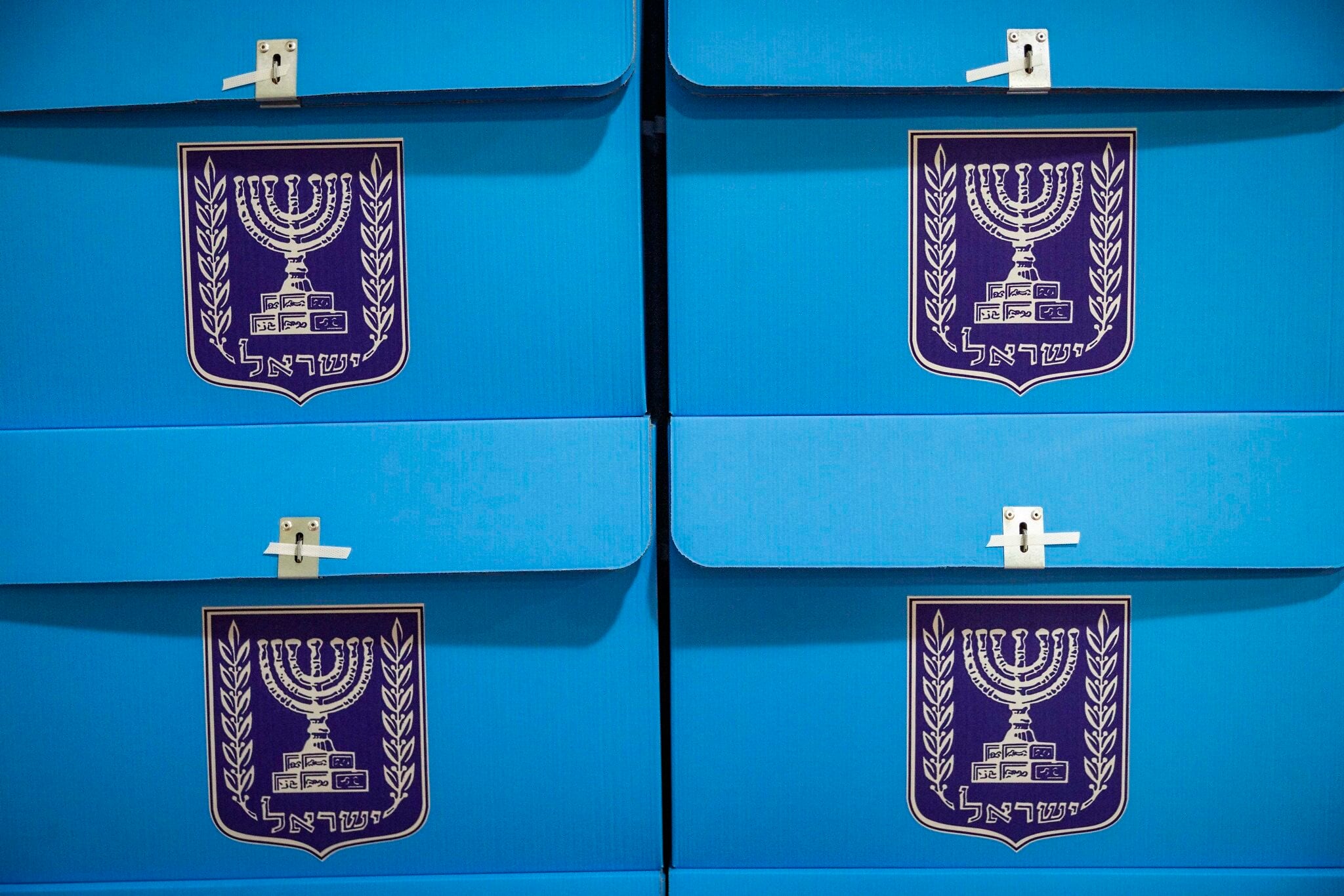
Overview of the Upcoming 2026 Israeli Parliamentary Elections
Israel is preparing for its 2026 legislative elections to determine the composition of the 120-seat Knesset. Voters will choose from 38 registered parties, though only a small fraction are projected to meet the electoral threshold required to enter parliament.
The 2026 Israeli elections will decide the makeup of the Knesset, the country's unicameral parliament. A total of 38 political parties have registered to compete for the 120 available seats. Under Israel's proportional representation system, parties must surpass a specific electoral threshold to gain representation. Current projections suggest that only approximately 11 of the registered parties are likely to secure enough votes to enter the Knesset.
Following the election, the process of forming a government begins. Because no single party typically wins an outright majority of 61 seats, the leader of the party with the most support must negotiate with other factions to assemble a viable governing coalition. The stability of the next government will depend on these post-election negotiations, as the ability to maintain a coalition is essential for passing legislation and maintaining a mandate. The political landscape remains fragmented, and the final outcome will depend on which parties successfully clear the threshold and which alliances are formed in the weeks following the vote.
📡 Media Analysis
How each outlet framed the story — angles, word choices, and what they chose to push or ignore.
Focused on the mechanical process of the election and the math of coalition building.
"viable coalition"
✓ Only outlet to report: The specific detail that 38 parties are competing while only 11 are expected to enter the Knesset.
🔍 What Nobody's Reporting
- ·Lack of information regarding the specific policy platforms or ideological differences between the competing parties.
- ·No mention of the current political climate or public sentiment leading up to the election.
📰 Sources
0 A-rated source(s) among 1 total. Lowest trust: Times of Israel (B)