
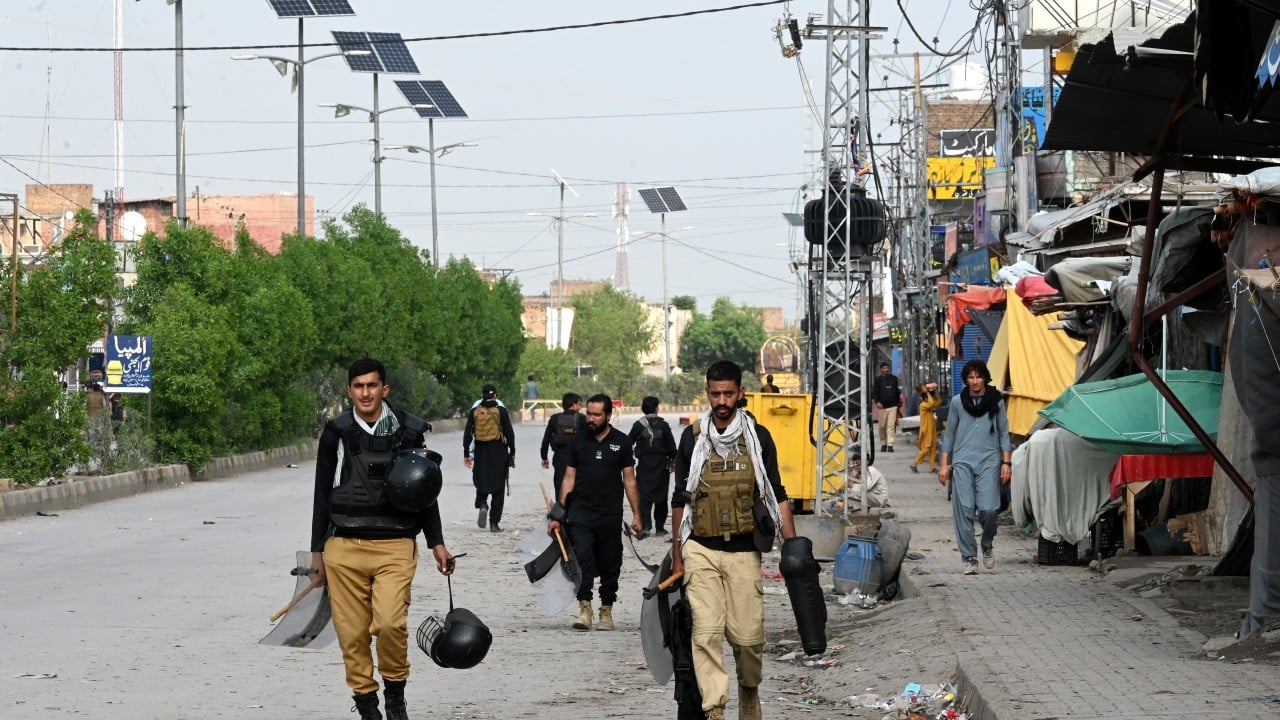
Pakistan Imposes Federal Rule in Khyber Pakhtunkhwa Amid Security and Political Tensions
The Pakistani federal government has implemented temporary federal rule in the Khyber Pakhtunkhwa province. Prime Minister Shehbaz Sharif cited the provincial government's failure to cooperate in counterterrorism efforts as the primary reason for the intervention.
The Pakistani federal government has moved to impose temporary federal rule over the Khyber Pakhtunkhwa (KP) province, a decision that has sparked concerns regarding the nation's long-term political stability. Prime Minister Shehbaz Sharif’s administration announced the move following an emergency cabinet meeting held last Sunday. The federal government justifies this intervention by claiming that the provincial leadership, which is controlled by the opposition, has engaged in a "deliberate disengagement" from critical counterterrorism operations against Taliban insurgents.
This move comes at a time when Pakistan is grappling with a resurgence of militant activity. The federal government argues that the provincial administration’s refusal to align with national security priorities has created a dangerous vacuum that threatens the safety of the region. However, the decision has drawn criticism from those who view it as a political maneuver rather than a purely security-driven necessity. Critics suggest that the dismissal of the opposition-led provincial government could exacerbate public resentment and deepen the existing political divide between the federal government and regional leaders. While the federal government maintains that the move is essential to restore order and combat terrorism effectively, the lack of consensus between the two levels of government raises questions about the sustainability of this approach. The situation remains fluid, with observers noting that the political feud could potentially undermine the very counterterrorism efforts the federal government claims to be protecting.
📡 Media Analysis
How each outlet framed the story — angles, word choices, and what they chose to push or ignore.
Framed the move as a security necessity that carries the risk of backfiring due to political friction.
"deliberate disengagement"
✓ Only outlet to report: Reported the specific timing of the decision following an emergency cabinet meeting.
⚡ Where Sources Disagree
- ·The federal government characterizes the provincial government's actions as 'deliberate disengagement,' while the opposition likely views the intervention as a politically motivated power grab.
🔍 What Nobody's Reporting
- ·Lack of direct quotes or statements from the provincial KP government leadership regarding their defense.
- ·No context provided on the specific legal mechanisms used to bypass provincial authority.
📰 Sources
0 A-rated source(s) among 1 total. Lowest trust: SCMP (B)