
Philippine Jeepney Drivers Face Financial Strain Amid Rising Fuel Costs
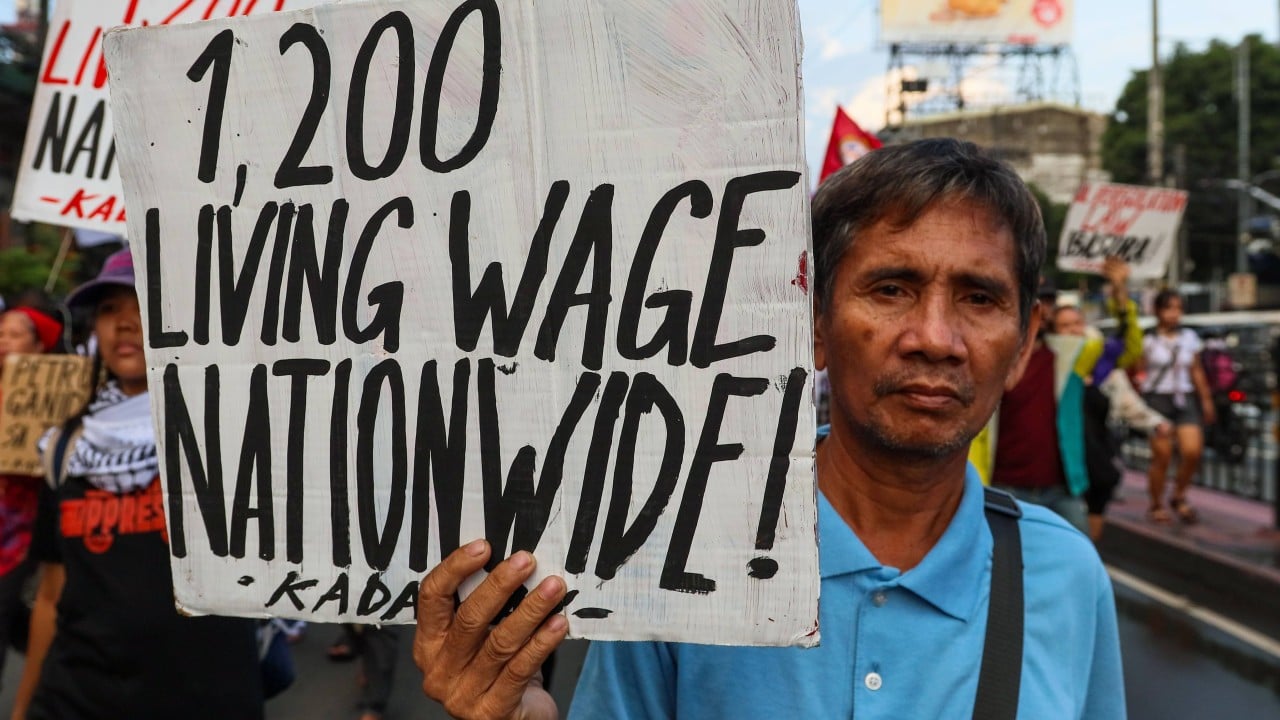
Long-time jeepney drivers in the Philippines are reporting significant income losses due to surging fuel prices. Despite a recent fare increase, many operators struggle to maintain a livable daily wage while working long shifts.
Reggie Manlapig, a jeepney driver with 25 years of experience, highlights the growing economic pressure facing the transport sector in the Philippines. As global energy prices remain volatile, the cost of operating these iconic public utility vehicles has spiked, directly eroding the daily earnings of drivers.
Manlapig, who operates a route between Malolos and San Fernando, reports that his daily take-home pay has dropped significantly. Previously, a 16-hour shift would yield between 400 and 500 pesos (approximately US$6.30 to US$8). Under current conditions, those earnings have seen a substantial reduction, leaving drivers with little financial cushion. While the government has implemented fare increases to help offset these costs, drivers argue that the adjustments are insufficient to cover the rising overhead of fuel and maintenance.
The situation reflects a broader struggle for the transport industry, which serves as the backbone of Philippine public transit. Drivers find themselves caught between the necessity of providing affordable transport for commuters and the reality of diminishing returns that threaten their livelihoods. As fuel prices continue to fluctuate, the sustainability of the traditional jeepney model is increasingly being called into question by those who operate them daily.
📡 Media Analysis
How each outlet framed the story — angles, word choices, and what they chose to push or ignore.
Focused on the personal economic struggle of a single driver to illustrate a national systemic issue.
"stuck between a rock and a hard place"
🔍 What Nobody's Reporting
- ·Lack of government perspective or official data regarding the effectiveness of the fare increase.
- ·Absence of input from commuter groups regarding the impact of fare hikes on the public.
📰 Sources
0 A-rated source(s) among 1 total. Lowest trust: SCMP (B)