
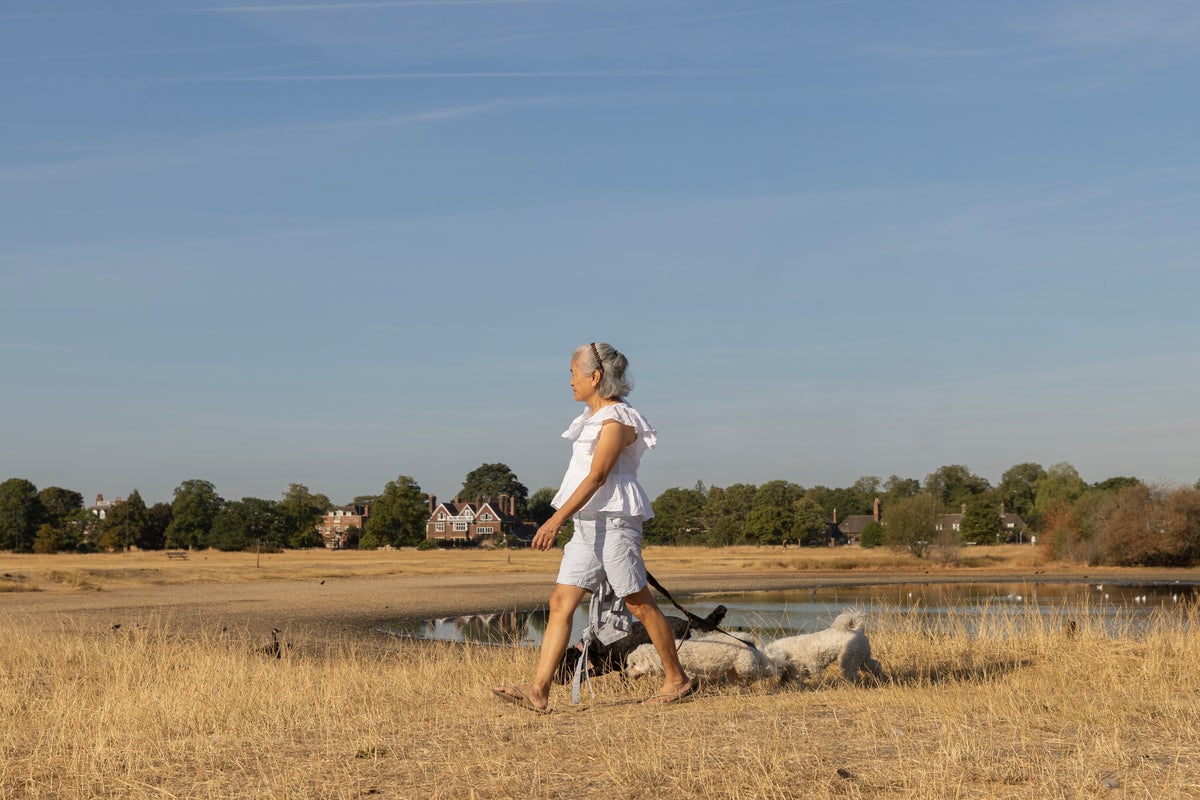
Plant scientist warns of long-term ecological damage from UK drought
A plant scientist reports that recent extreme drought conditions in the UK have caused significant stress to local flora. The report suggests that the full ecological impact of these weather patterns may not be fully realized for some time.
Recent extreme weather in the United Kingdom has placed significant strain on native plant species, according to a report from a plant scientist. The analysis highlights that many local species have not had sufficient time to adapt to the rapid shift toward more frequent and intense drought conditions.
While the immediate visual impact of dry, withered vegetation is apparent, the scientist emphasizes that the long-term consequences for British biodiversity are still unfolding. The core argument is that the cumulative stress placed on these ecosystems creates a delayed reaction, meaning the most severe effects of the drought may not be fully visible until future growing seasons.
There is no disagreement among current reports regarding the existence of the drought, though the scientific community continues to study the exact timeline of how these environmental stressors will alter the composition of UK plant life in the coming years. The report serves as a warning that the resilience of these species is being tested beyond their natural capacity to recover without significant environmental changes.
📡 Media Analysis
How each outlet framed the story — angles, word choices, and what they chose to push or ignore.
Used a personal narrative from a scientist to frame the drought as an urgent, ongoing ecological crisis.
"devastating effects"
🔍 What Nobody's Reporting
- ·Lack of specific data or metrics regarding which plant species are most at risk.
- ·Absence of government or agricultural policy responses to the drought.
📰 Sources
0 A-rated source(s) among 1 total. Lowest trust: The Independent (B)