
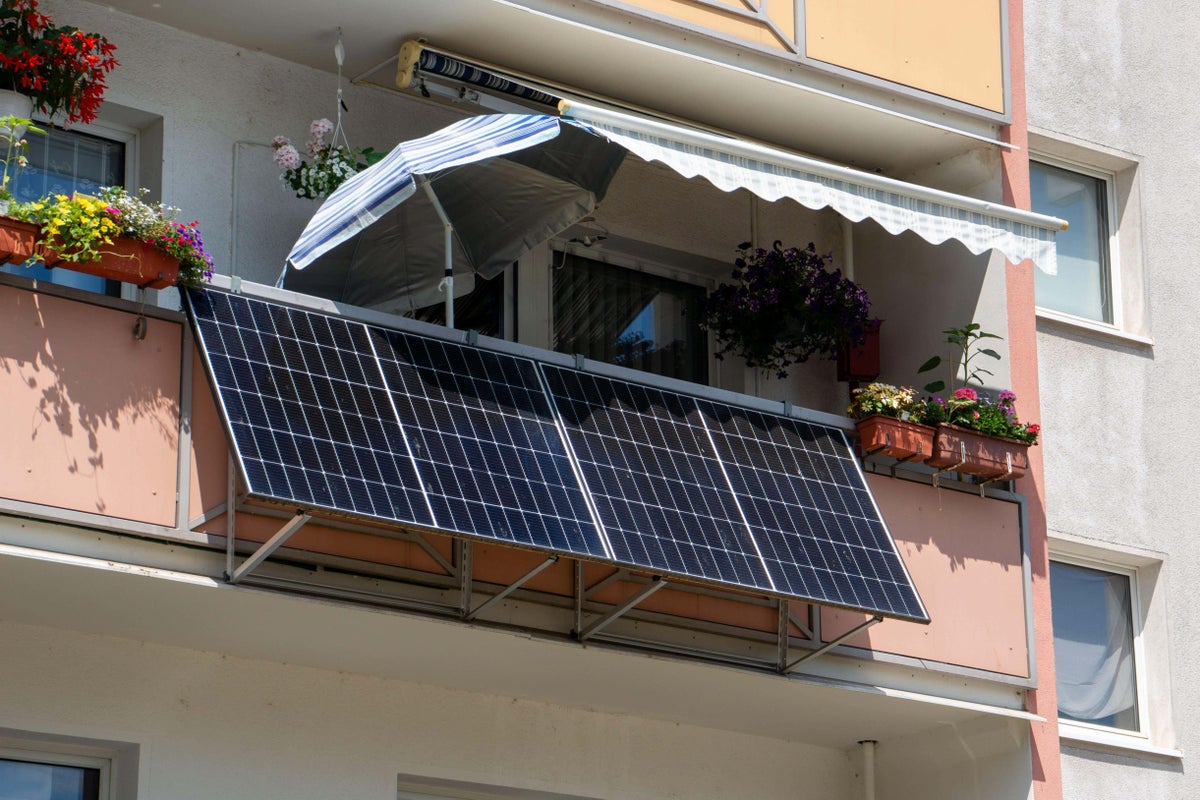
Plug-in solar panel kits become available for retail purchase following regulatory changes
New plug-in solar panel kits are now available for purchase in stores and online after legal restrictions were lifted. These systems are designed to generate up to 800W of power, potentially offsetting a portion of a household's electricity consumption.
Market Narrative Detected
The narrative suggests that decentralized, consumer-led energy production is becoming a mainstream, accessible reality. This benefits solar hardware manufacturers and retailers who stand to gain from increased adoption of home-energy products.
Retailers have begun selling plug-in solar panel kits to consumers following the removal of previous legal barriers that restricted their use. These kits, which are designed for easy installation, are capable of producing up to 800W of power. According to industry estimates, this output can provide approximately 20% of the electricity required by an average home during periods of direct sunlight.
The shift in availability follows a change in the regulatory landscape, which previously prevented the widespread sale and use of these plug-and-play energy systems. By allowing these units to be sold in shops and online, the market is opening up to homeowners who wish to supplement their grid energy with small-scale renewable generation. While the technology is marketed as a straightforward way to reduce energy bills, the actual impact on a household's electricity costs will depend on individual usage patterns, local sunlight availability, and the specific energy tariffs of the consumer. As these products enter the mainstream retail market, consumers are encouraged to verify that their home wiring and local grid connections are compatible with the specific power output of the kits they purchase.
📡 Media Analysis
How each outlet framed the story — angles, word choices, and what they chose to push or ignore.
Focused on the consumer convenience and the removal of red tape.
"legal barriers removed"
🔍 What Nobody's Reporting
- ·Lack of information regarding safety standards or certification requirements for DIY installation.
- ·No mention of potential grid stability issues or utility company policies regarding 'back-feeding' power into the grid.
- ·Absence of cost-benefit analysis or estimated payback periods for the average consumer.
📰 Sources
0 A-rated source(s) among 1 total. Lowest trust: The Independent (B)