
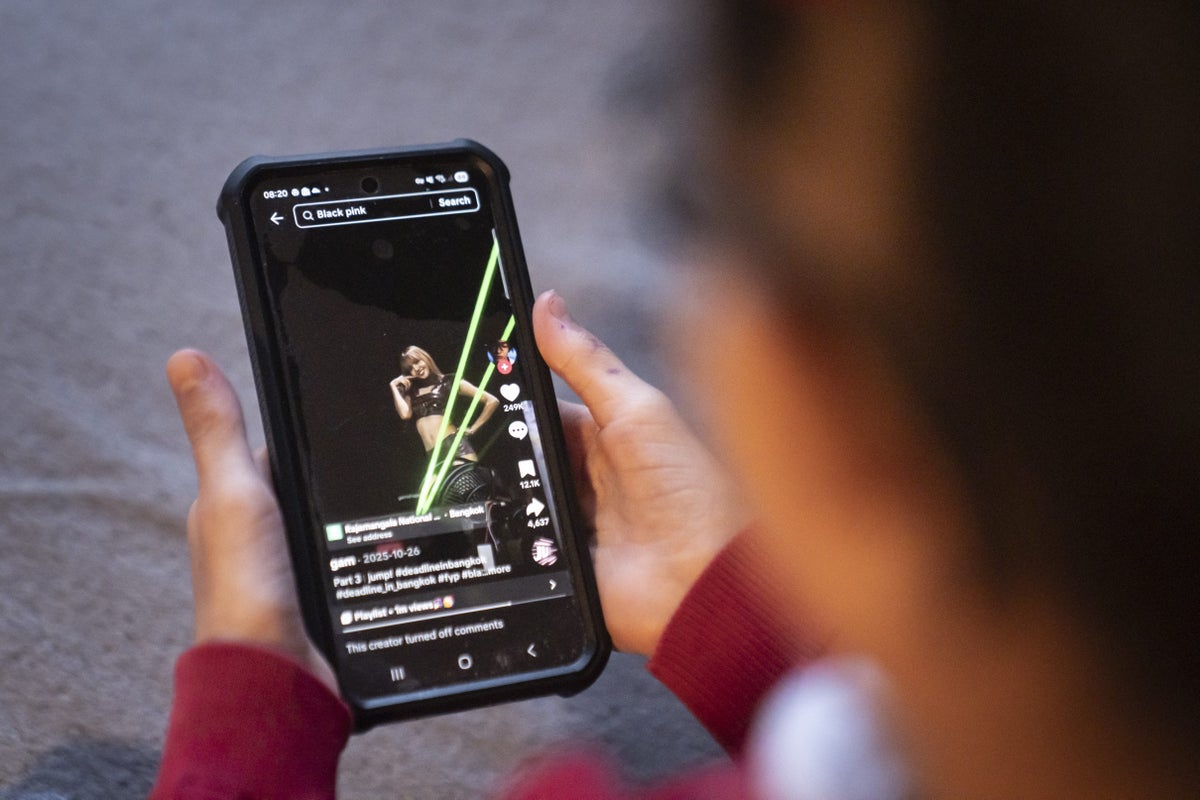
Poll Indicates Most Teenagers Would Opt Out of Proposed Social Media Curfews
A recent survey by Censuswide suggests that a vast majority of teenagers aged 16 to 18 would choose to disable optional social media curfews if given the choice. The findings highlight potential challenges for policymakers considering voluntary digital restrictions for minors.
New research conducted by Censuswide reveals that 84.6% of teenagers between the ages of 16 and 18 would opt out of proposed social media curfews if they were given the option to do so. The study focuses on the potential effectiveness of voluntary digital wellness tools, suggesting that a significant majority of the target demographic would prefer to maintain unrestricted access to their social media platforms.
While the data provides a clear indication of user preference, it does not address the broader debate regarding whether such curfews should be mandatory or voluntary. Proponents of digital regulation often argue that curfews are necessary to protect adolescent mental health and sleep patterns, while critics frequently contend that such measures infringe upon personal autonomy and are easily bypassed by tech-savvy youth. The poll results suggest that even if platforms implement these features as an optional setting, the actual adoption rate among the intended age group is likely to be very low. The research serves as a data point for lawmakers and tech companies currently navigating the balance between digital safety and user freedom.
📡 Media Analysis
How each outlet framed the story — angles, word choices, and what they chose to push or ignore.
Highlighted the likely failure of voluntary measures by focusing on the high opt-out rate.
"overwhelmingly likely"
🔍 What Nobody's Reporting
- ·Lack of context regarding the specific platforms or types of curfews being proposed.
- ·Absence of input from mental health experts or policymakers regarding the intent behind these curfews.
📰 Sources
0 A-rated source(s) among 1 total. Lowest trust: The Independent (B)